Articles & Resources
Explore articles and resources designed to bring encouragement, insight, and hope for every step of the recovery journey.
Finding Hope Podcast: Redeemed

In this episode, Director of Family Support Groups Amy LaRue sits down with Keven Kohs — who is celebrating three years of sobriety — to share his journey through addiction. He talks about his breaking points and the moments that led him towards recovery.
This isn’t a polished story. It’s a real story of hope.
For more information, visit:
Faith-based support groups for families of addicts and alcoholics.
The Roles of Families Impacted by Addiction

The Roles of Families Impacted by Addiction
When you love someone struggling with addiction, it affects every part of your life. Over time, many of us find ourselves stepping into roles we were never meant to carry. We try to fix, manage, or hold everything together, even when we can’t.
I know this personally.
There were seasons where I became the “hero” and the “enabler,” believing if I just did more, things would change. Instead, I found myself exhausted, anxious, and disconnected from who God created me to be.
Maybe you can relate.
In families impacted by addiction, we often take on roles like:
- Hero (over-responsible, holding it all together)
- Enabler (protecting and rescuing)
- Scapegoat (defiant, rule breaker)
- Mascot (immature, distracting)
- Lost Child (quiet, withdrawn)
But these are survival roles — not God-given identities.
At some point in my journey, especially through relapse and setting hard boundaries, I had to come back to this truth: I am responsible for my role, not their choices.
You were created to be who God called you to be: A mother. A father. A wife. A husband. A daughter. A son. A sister. A brother. A friend.
Not the fixer. Not the savior.
With hope,
Darcie Stephens, Finding Hope Coordinator
For more information, visit:
Faith-based support groups for families of addicts and alcoholics.
My First Day: Life at Hope is Alive

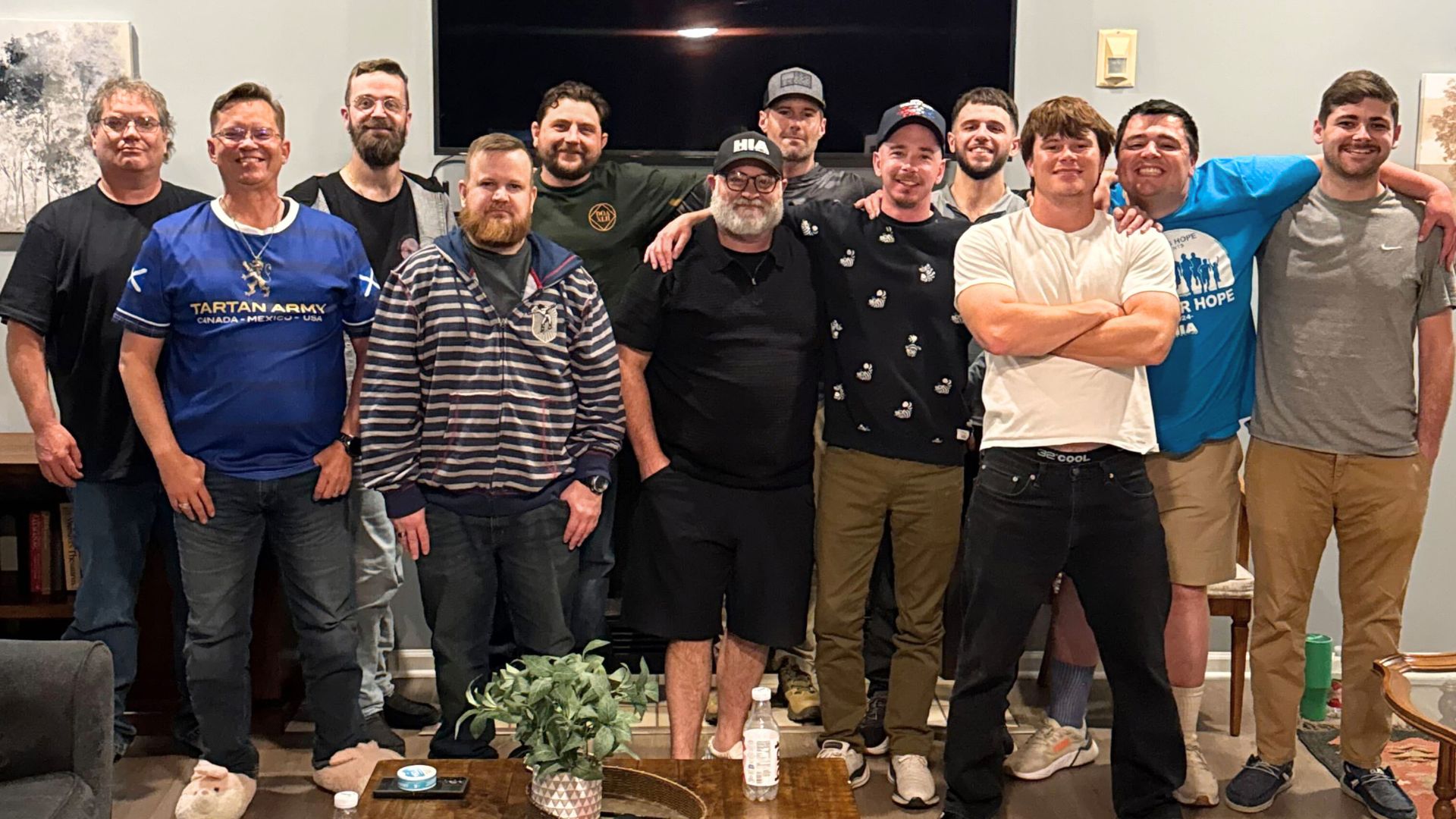
Everyone has a story. And for a lot of people walking into Hope is Alive, that story includes pain, instability, addiction, and moments that feel impossible to come back from.
This video shares just a glimpse of what those journeys can look like. More importantly, it points to what’s possible on the other side of addiction: healing, belonging, purpose, freedom.
There's a reason Hope is Alive has a high success rate for long-term drug and alcohol addiction recovery.
The Power of Habits
The Power of Habits
What is a Habit?
A habit is a regular practice, something we do often, sometimes without even thinking. More than 40% of our daily actions are habits, shaping our lives in ways we may not realize. Some habits are helpful, like brushing our teeth or exercising, while others can be harmful, like biting our nails or skipping meals.
The Role of Habits in Our Lives
Our brains are wired to create habits, whether good or bad. The good news? Habits can be changed! With intentional effort, we can break unhealthy patterns and establish new, life-giving routines.
Facts About Habits
You Can Change Your Habits
While breaking old habits can be tough, it is possible. If you’ve overcome addiction or supported a loved one in recovery, you already know the power of change. Even small steps, like skipping a morning donut, can lead to lasting transformation. In the same vein, good habits can help an addict find sobriety. And good habits can help you stay strong while your loved one battles Heroin, Fentanyl, alcohol, and/or other substances.
Good Habits Help You Reach Your Goals
Big achievements start with small, consistent actions. You wouldn’t sign up for a marathon without training first, and the same principle applies to other areas of life. Whether it’s getting a better job, improving relationships, or building strength, success begins with daily habits.
Habits Shape Your Life
The routines you choose define who you become. Greeting your children with joy fosters a joyful heart. Eating healthy meals leads to a healthier body. The habits you practice today set the foundation for your future.
Habits Reduce Wasted Time
Most of us avoid difficult or uncomfortable tasks. However, good habits make us more efficient, cutting down on wasted time and helping us focus on what truly matters.
Habits Replace Motivation
Motivation comes and goes, but habits keep you going. We all have days when we don’t feel like exercising, working, or making healthy choices, but when these actions become habits, we do them automatically, and they lead to long-term success.
What small habit can you start today that will make a big impact on your life?
For more information, visit:
Faith-based support groups for families of addicts and alcoholics.
Hope After Loss Women’s Retreat: Why You Need It
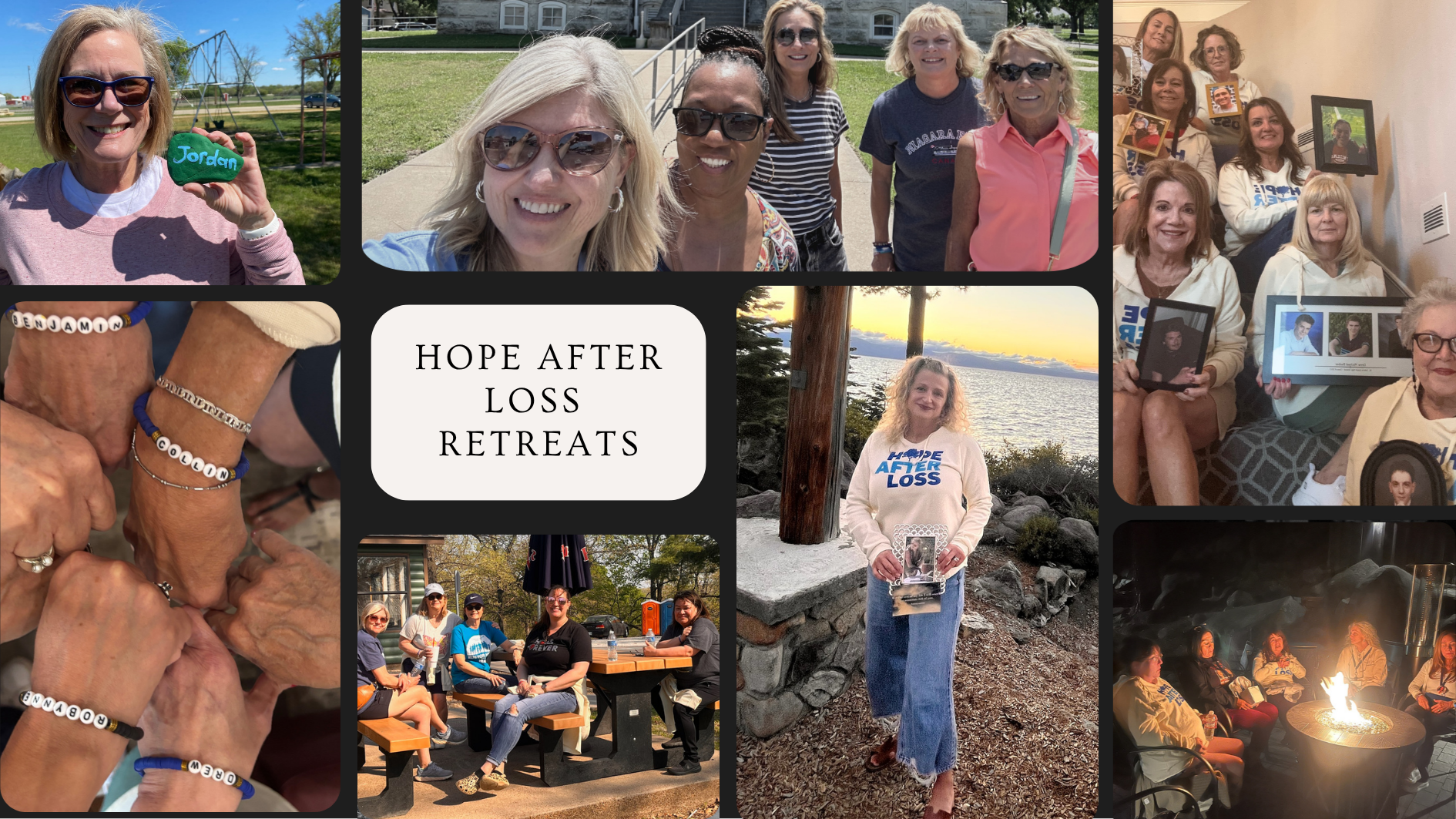
Hope After Loss Women’s Retreat: Why You Need It
We know at Finding Hope that addiction can end in institution, recovery, or even death. Loving someone in addiction isn’t easy. Neither is losing someone to it. Whether you are a mom, a dad, a sibling, or a friend, it can feel incredibly lonely, confusing, overwhelming, painful… The list can go on and on. You may not always have the words for how you feel, but those emotions sit heavy on your heart.
Losing a loved one to addiction is a pain like no other. It changes everything, and it’s a weight you carry every single day.
At Finding Hope, some have lost a loved one or know someone who has. That’s why we are sharing about our upcoming Hope After Loss Women's Retreat. We want you, as well as your friends and family, to know you are not alone — we are here for support.
“For the first time… the darkness lifted,” shared Faith S. “Every single day after my son died, I begged God to take me with him. I would whisper, ‘I don’t want to be here anymore.’ That thought lived with me daily. But after attending the Hope After Loss Moms’ Retreat… something shifted. For the first time since losing my son, those thoughts were gone. Hope found me again.”
Today, Faith remains deeply connected to the women and leaders she met at the retreat. Because of the impact they had on her life, she has gone from surviving addiction to now advocating for Hope After Loss, helping countless other mothers find peace and hope after losing a loved one to addiction. Taking the next step forward, Faith is training to launch an in-person Hope After Loss group in Carson City, Nevada in 2026, so other grieving moms can find the same lifeline she did.
If you think you are alone, know that you are NOT alone. There are other mothers struggling with the loss of a child, other mothers who are just like Faith and Denise — just like you.
“Strangers became sisters… and I found my way forward.” shared Denise R. after a meeting in April. “Our son, Nathan, died from a heroin and fentanyl overdose in 2018. Years later, in 2025, I found myself facing a new wave of complicated grief. When I first heard about Hope After Loss, I wasn’t sure what to expect, but I took a step and attended a support group. That one step led me to the retreat… and it changed everything.
From the moment I arrived, I was met with a kind of love and understanding I hadn’t experienced before. Women who were once strangers quickly became sisters. There was an unspoken bond between us — each of us carrying the weight of devastating loss. For the first time, I felt safe to share my story… to weep openly… to simply be.
There were moments of connection and also space for quiet reflection, both bringing deep healing to my soul. Through meaningful conversations, powerful teaching, shared meals, and intentional self-care, I began to realize something I hadn’t fully believed before: I am not alone. The relationships formed during that retreat became a lifeline — a community I didn’t know I needed, but now cannot imagine walking without. Hope After Loss gave me the space to process my grief… and the strength to move forward with peace and renewed purpose.”
You are not alone. And your story is not over. If you are or you know someone carrying the unimaginable weight of loss, the Hope After Loss Women’s Retreat is a place where your grief is seen, your story is held, and healing can begin — one step at a time.
Worship While You Run at HIA's 2026 Run for Hope
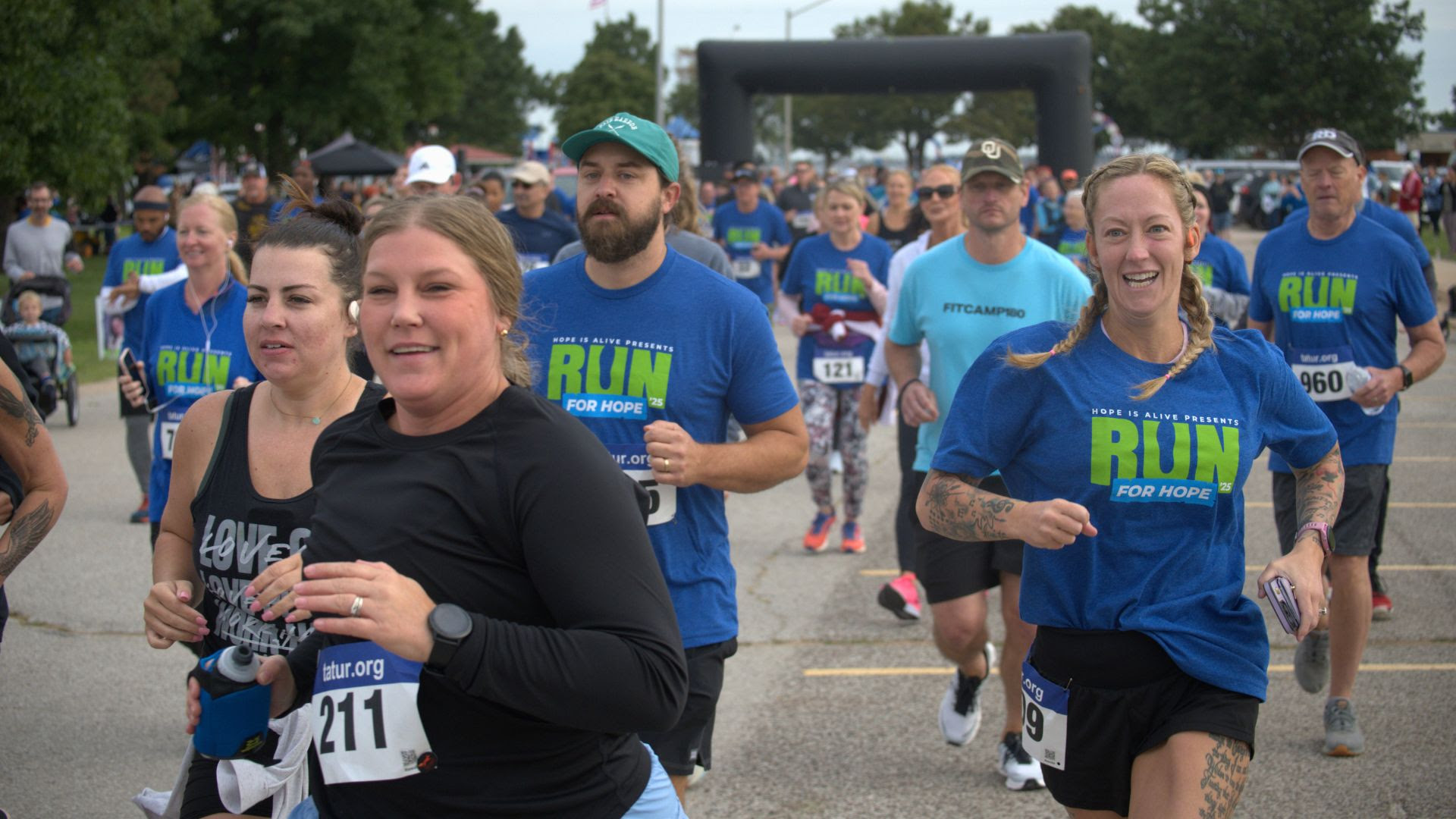
Worship While You Run at HIA's 2026 Run for Hope
Staying motivated to run a 5K is no easy feat. To give you a leg up for the Run for Hope 5K in August — an event hosted by Hope is Alive centered on Finding Hope and Hope After Loss family support groups — we want to share an insider’s secret weapon: music.
Music isn’t just background noise — especially when it’s worship. It’s actually a proven tool for boosting your mental and emotional well-being and connecting you with the Spirit.
In fact, 75% of people use music to relieve stress, 65% say it improves their mood and mindset, 60% rely on it for motivation and energy, and 61% use it to process emotions and memories.
Because Run for Hope is a time to celebrate the loved ones we’ve lost to the impact of addiction, we’ve curated a special playlist to act as your anchor.
Our hope is that as you listen, you feel encouraged, energized, and connected with Jesus. We hope that it reminds you why you’re running, and that it gives you the strength to keep putting one foot in front of the other.
There is hope in the fight against addiction.
Finding Hope: A Plan for Loved Ones of Addicts | Bible Reading Plan
Finding Hope: A Plan for Loved Ones of Addicts
Lance Lang and his parents understand what it feels like to endure a decade long battle with addiction. The worry, fear, pain, guilt; in this plan you will receive wisdom, insight, and instruction from both the addict's and the parent’s perspectives. These hopeful yet practical steps will help you and your family battle the addiction issues plaguing your home.
Start the plan here: Finding Hope: A Plan for Loved Ones of Addicts
15 Year Sober: A Love Letter to Hope is Alive
15 Year Sober: A Love Letter to Hope is Alive
Today, I’m celebrating something that, for a long time, I didn’t think was possible: 15 years of sobriety.
When I think about that, I don’t just think about my story. I think about the thousands of stories connected to Hope is Alive that are just like mine.
I think about the moments we all go through on the journey to sobriety. I think about the very real chance that I wouldn’t be sober today — maybe not even alive — if God hadn’t used this ministry to change everything about my life.
To think about how it all started… It’s crazy, to say the least.
I launched Hope is Alive on the heels of one of the most disappointing seasons of my sobriety. I was hurt. I was humbled. And I was holding tightly to this small desire to live with other addicts. I thought that maybe, just maybe, I could help them.
But if I’m being honest, all these amazing people who struggled with addiction that I hope I’m helping find freedom? They’ve been the ones to give me the freedom I desperately need.
Sometimes I joke that the people who give their entire lives to something like this are probably the sickest ones, and there might be some truth to that. In many ways, I’m proof of it.
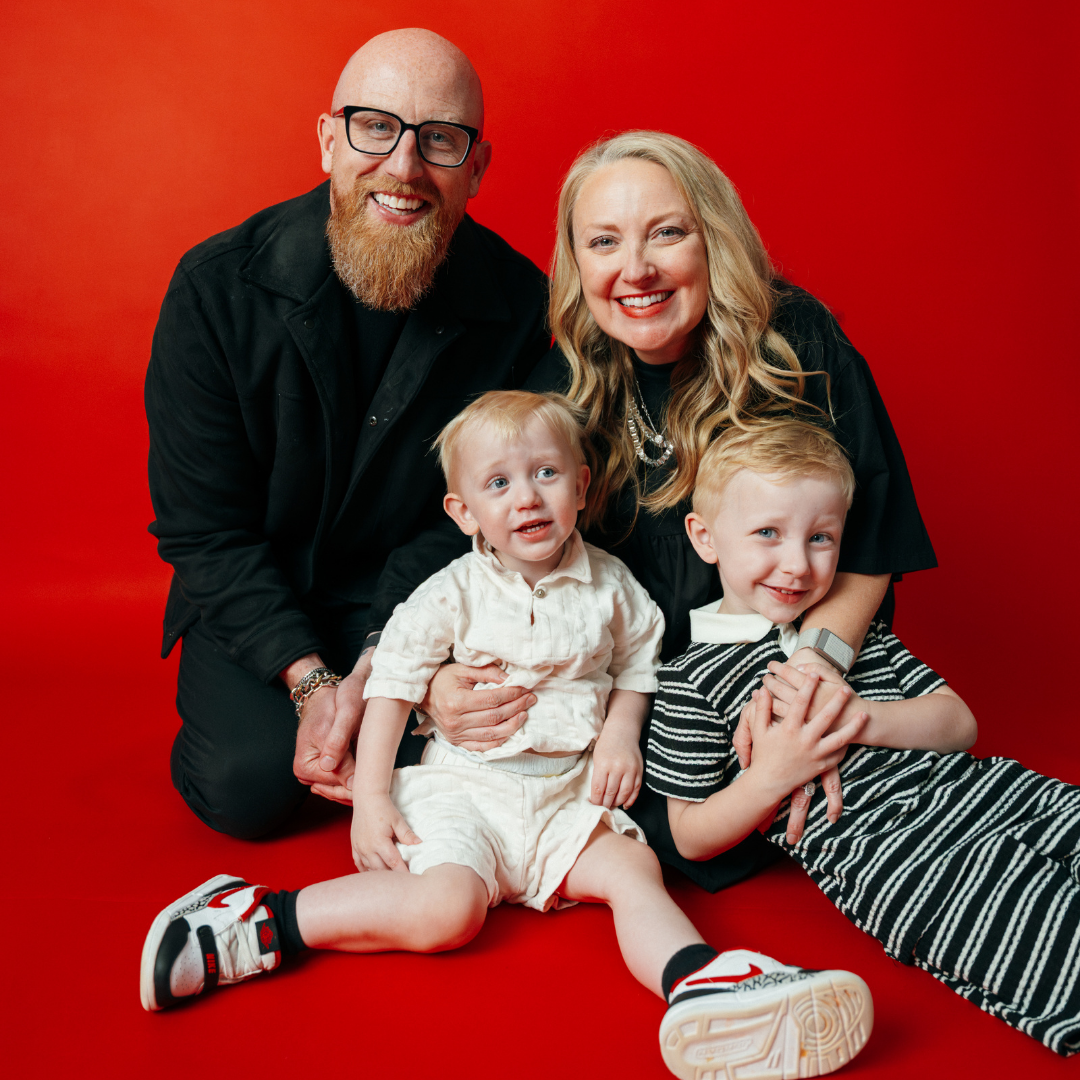
That’s why I am so incredibly thankful for Hope is Alive. This ministry is my purpose and my job, but that’s not the only reason why I’m so grateful for it. Hope is Alive has always demanded something from me: my sobriety. And because of that, I have a life today that I never thought was possible.
I have a wife I love, who loves me.
I have incredible children.
I have everything I could ever want or need.
I’ve said it for years: You have to build a life worth living — SOBER — if you actually want to stay sober.
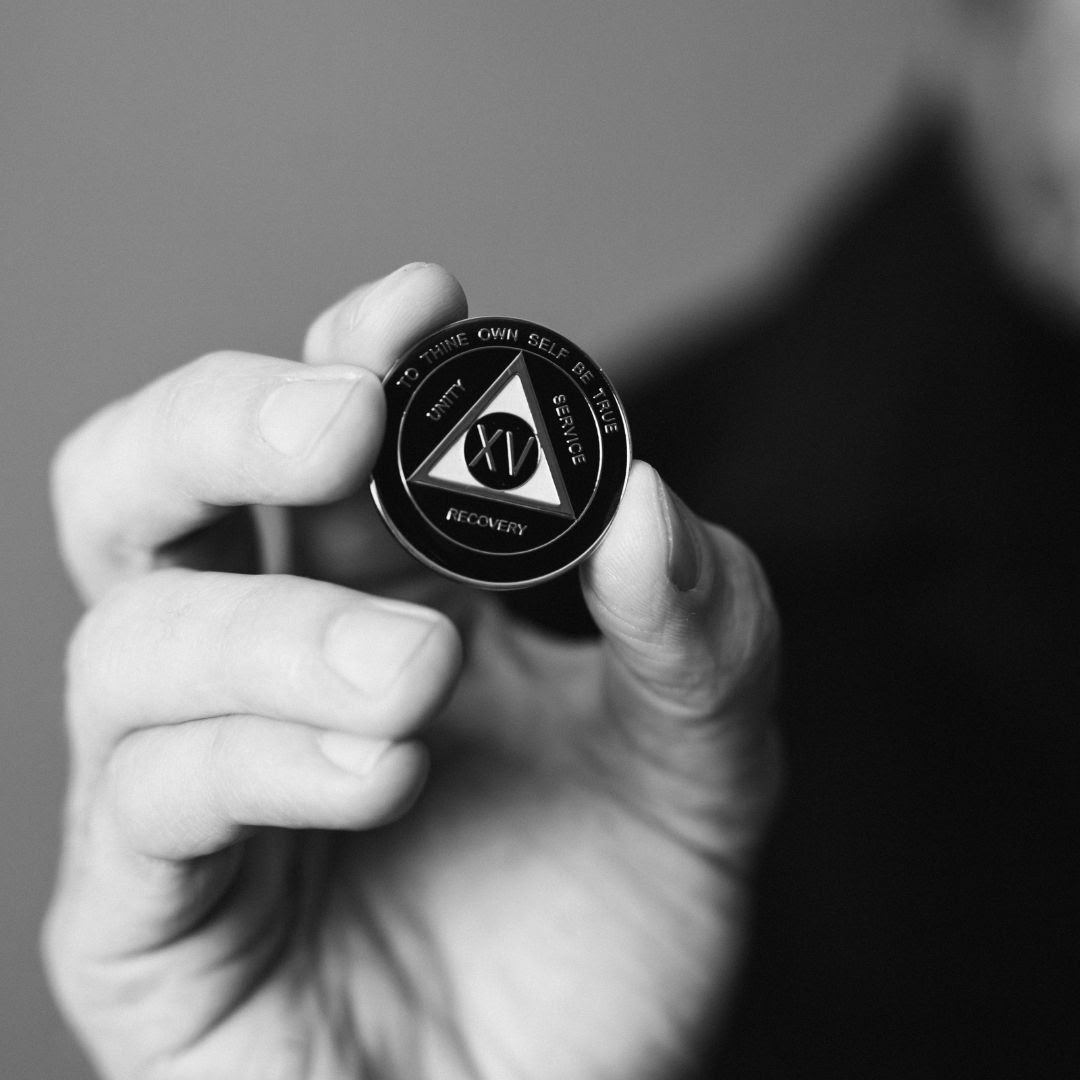
Today, I have that life. And without Hope is Alive, and the thousands of people who make it possible, I wouldn’t. That’s why today is so special to me. Today, I’m fifteen years sober and fifteen years into this amazing new life.
And to make today even more special, I’m excited to release the new and improved Hope is Alive book — the one that started it all. I published the first edition 13 years ago. Today, you can grab a copy of the second edition, which accounts for another 13 years worth of experience.
If you’ve never heard my story, or if someone in your life is just beginning their sobriety journey, this book is a great place to start. Hope is Alive is about so much more than just my journey to sobriety, and I truly believe you’ll be able to learn something from the 15 years of life I poured into it.
Thank you for being part of this story. Thank you for helping keep hope alive for so many.
—Lance Lang
Founder, Hope is Alive
Finding Hope Podcast: The Roles We Play
Addiction. What does it turn us into?
We’re not talking about the typical roles like mom, dad, or sibling. We’re talking about the roles we adapt in order to survive the chaos, pain, and uncertainty that addiction brings into a family. These roles may help us cope in the moment, but over time, they become unhealthy for both us and our loved one.
The good news?
Once we can identify these roles, we can begin to break free from them and step back into who God truly created us to be.
For more information, visit:
Faith-based support groups for families of addicts and alcoholics.
The Weight of Addiction
The Weight of Addiction
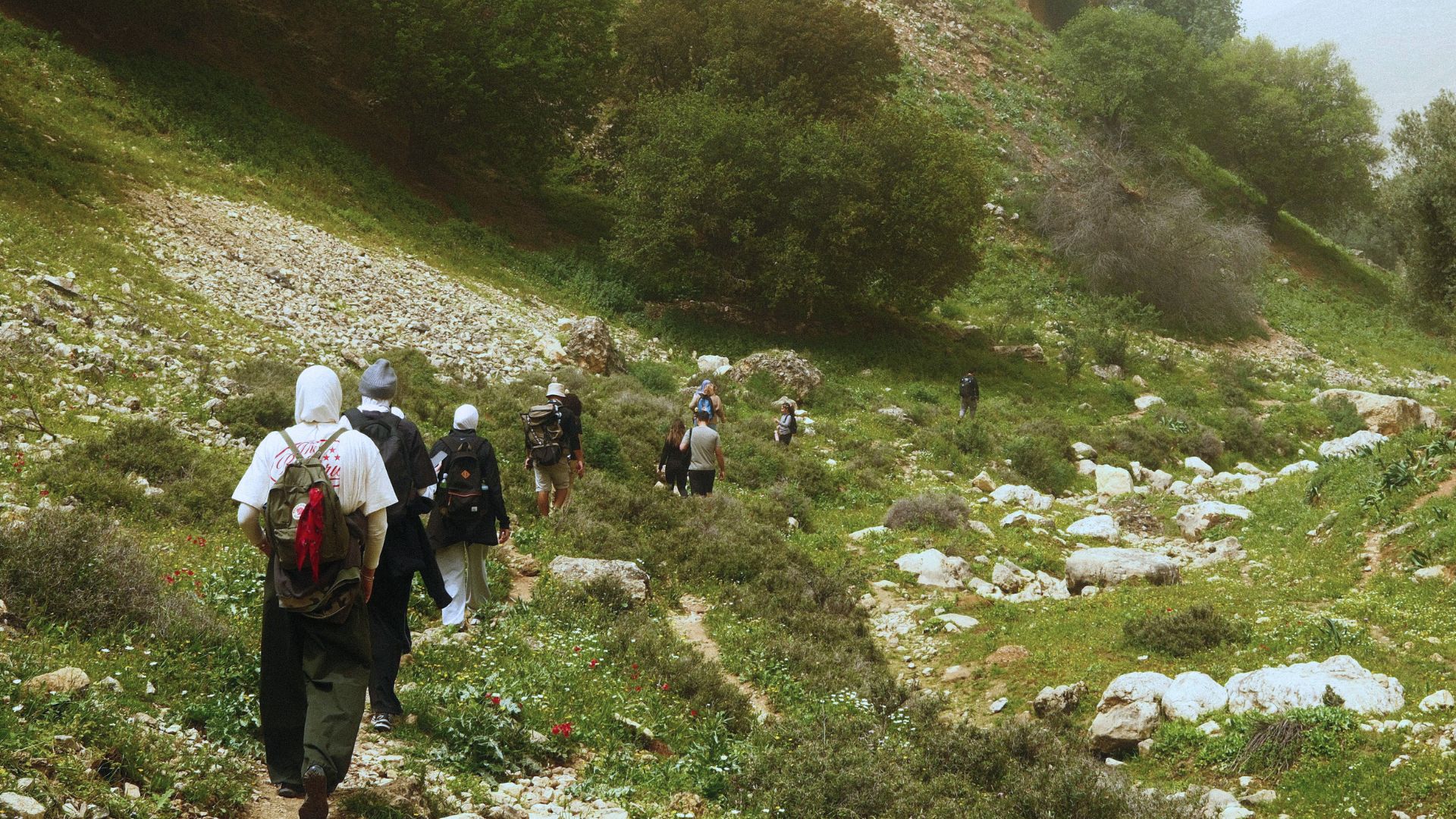
Imagine carrying a heavy bag of rocks all day. How would you feel? Tired? Exhausted? Overwhelmed? The truth is, many of us carry burdens just like a heavy bag of rocks, except these are burdens we don’t even realize weigh us down until we feel completely drained.
Each rock in that imaginary bag symbolizes the weight of the struggles we carry daily. Many times, we feel like it is our job to carry our loved one’s addiction. But carrying that load comes with a bigger load, like carrying secrets to protect ourselves or others, and it traps us. Along with the secrets come all the feelings: shame, hurt, confusion, anger, fear, guilt, sadness, and loneliness — emotions that weigh us down.
Now, imagine if each rock was removed. The bag would become lighter and lighter, easier to carry and manage. But each rock can only be removed if we give up control. We have to accept that we cannot make our loved ones sober.
You cannot force your son to get sober. You cannot force your daughter to get sober. You cannot force your husband to get sober. You cannot force your wife to get sober. You cannot force anyone to get sober.
God does not intend for us to carry these loads, let alone carry them alone. He calls us to let go of these weights and trust Him to help us move forward.
This week, take a step toward releasing whatever weighs you down. Write down every “rock” in your bag: the secrets, the feelings, etc. After you have written them down, pray to God and ask Him to carry them for you. Then let Him. He’s faithful, and He’ll come through.
“It is right for me to feel this way about all of you, since I have you in my heart and, whether I am in chains or defending and confirming the gospel, all of you share in God’s grace with me.” Philippians 1:17
For more information, visit:
Faith-based support groups for families of addicts and alcoholics.
Sunday Nights at Hope is Alive: Sober Living Done Differently
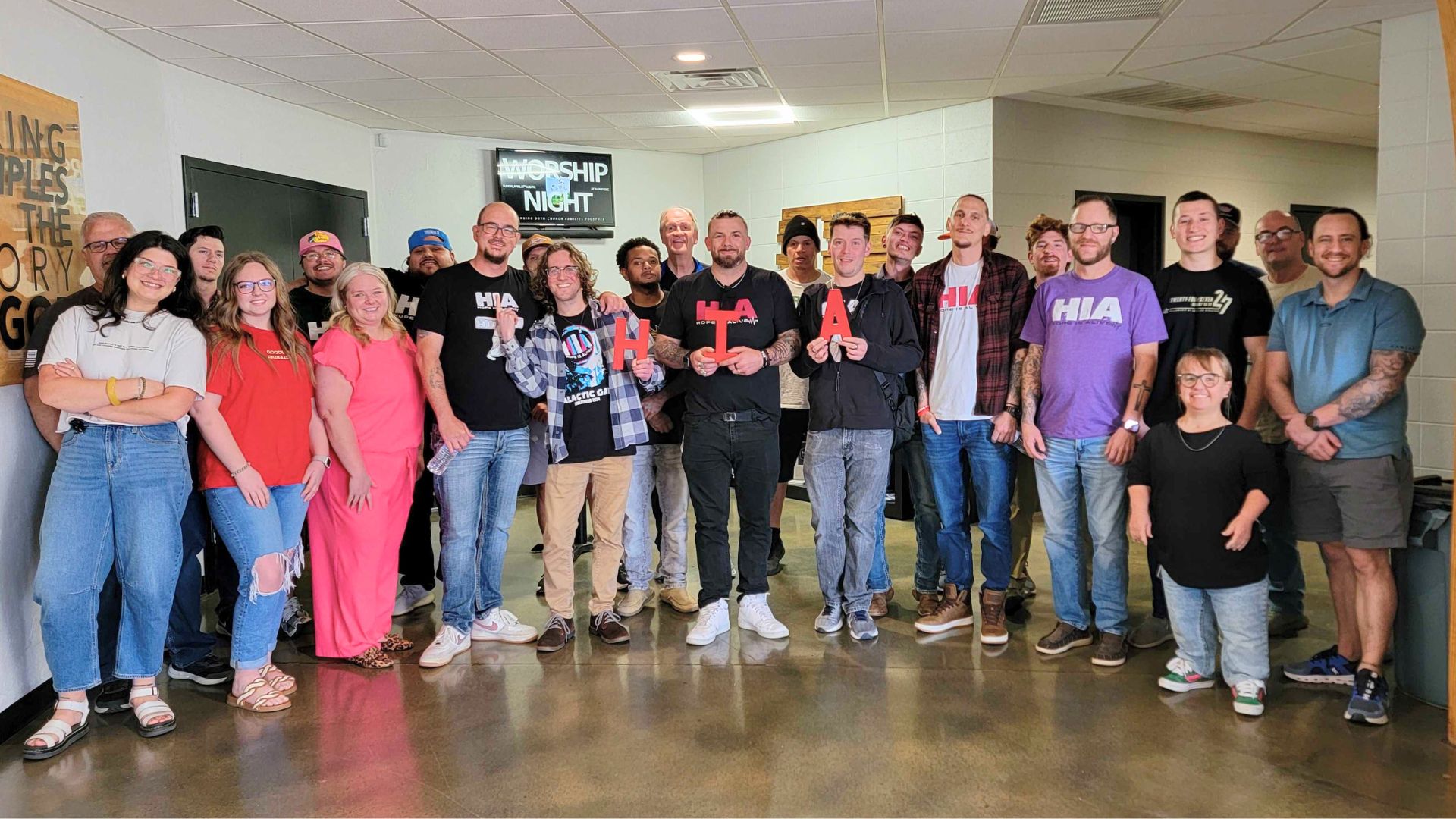
Sunday Nights at Hope is Alive: Sober Living Done Differently
There’s something special about Sunday nights at Hope is Alive, and anyone who has ever spent one with us knows why.
Every Sunday night, our residents gather in their homes across the country to celebrate sobriety through stories of triumph and radical life change.
You’ll hear about milestones — days, months, and years of sobriety that once felt impossible. You’ll see men and women set goals and achieve them as they build a future they can be proud of. You’ll witness restoration happening in real time as families reconnect and residents light up with hope. And most importantly, you’ll feel the power of community.
We do sober living differently. There is no doubt about that.
So, What’s a Sunday Night Meeting Actually Like?
A lot of fun, obviously. Let us give you a glimpse.
The following recaps were written by our program managers and shared internally with all Hope is Alive staff so we could celebrate the wins, too. Now, we are sharing them with you. Well, two of 15+ plus!
Weatherford: Faith in Action
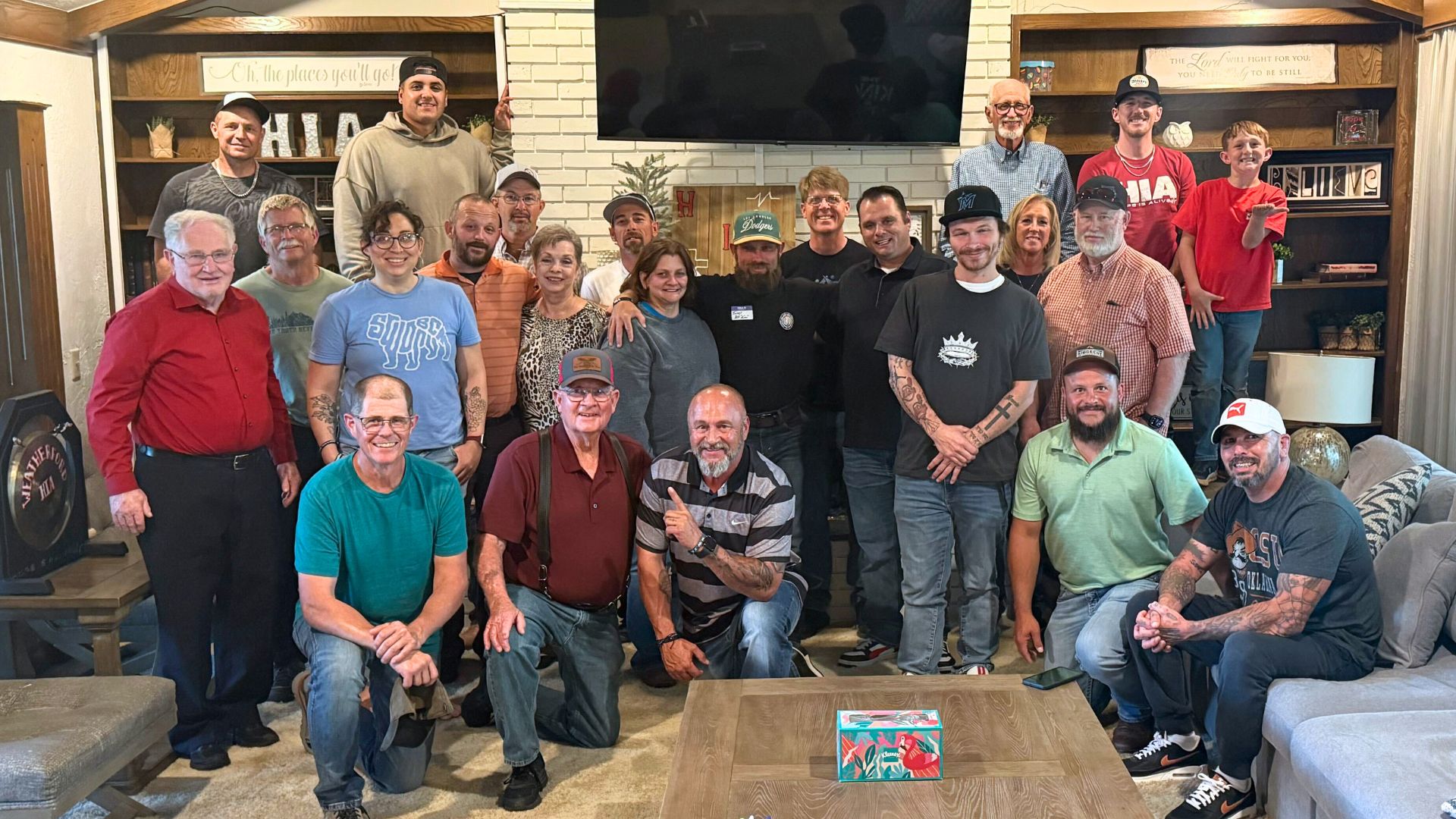
Welcome back to another Sunday night recap from Weatherford!
Speaker: Pastor Jeff
Meal Provided By: Leslie & Tommy Kirkpatrick
Alumni Present: Thomas M. & Matt B.
Goals:
- Ryan is working on his credit
- Turner got a pickup
- Luke was baptized
- Boots has stopped vaping
We also celebrated 20 months of sobriety with Aaron — a huge milestone!
Pastor Jeff brought a powerful message from Exodus 1:8, encouraging us to stay the course and live as the Church. He spoke about how, like the Israelites, we can face oppression, but when we stay in God’s will, those challenges can actually make us stronger.
One key point he highlighted was the faith of the midwives, Shiphrah and Puah. Even when pressured to do wrong, they stood firm, feared God, and chose what was right. Their courage is a reminder that doing the right thing isn’t always easy, but it matters.
Colorado Springs: Finding Hope
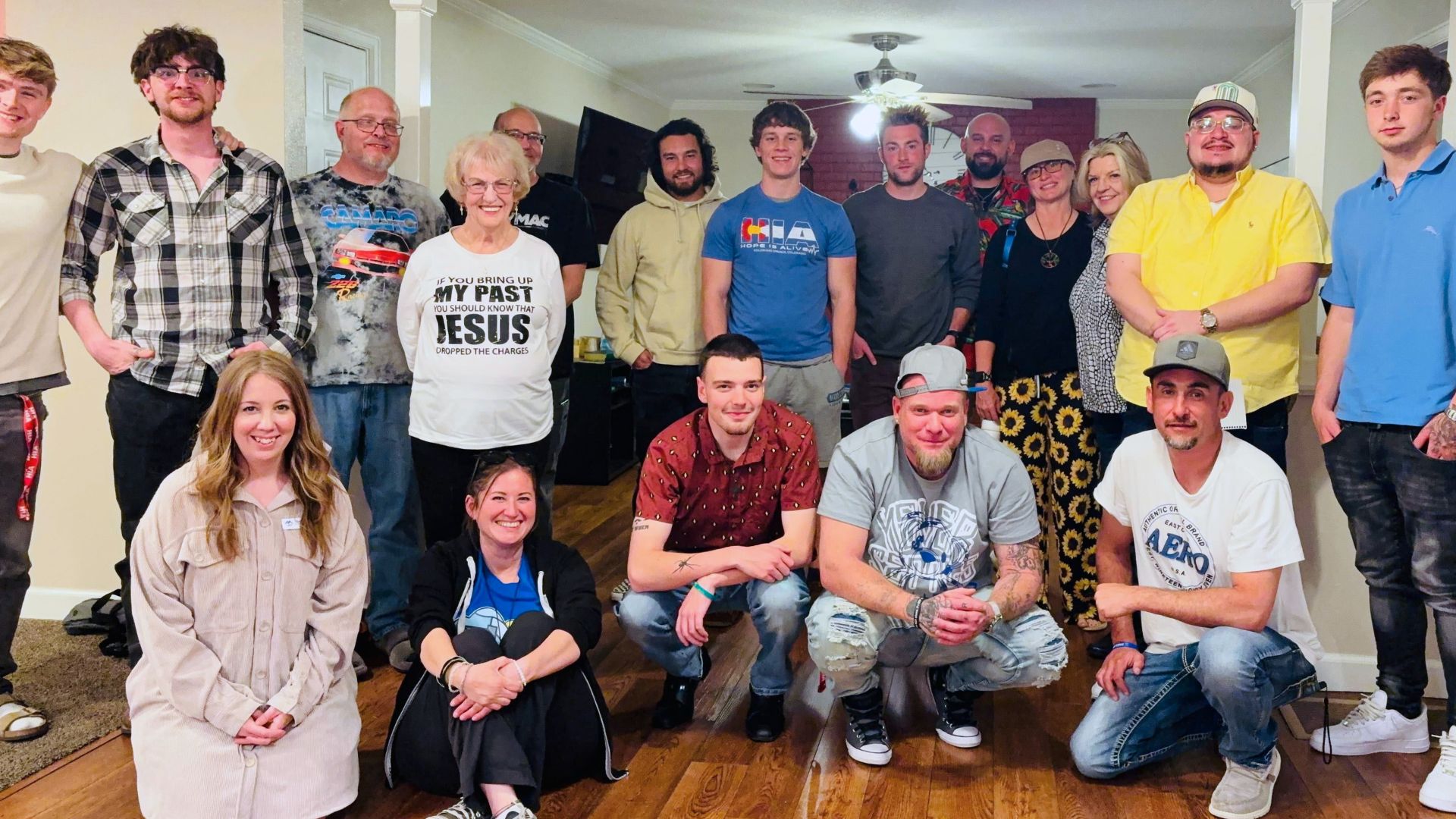
Our Sunday night meeting here in Colorado Springs was absolutely amazing! Huge thank you to the Finding Hope group for making it an incredible experience. They provided the food: shredded beef barbecue sandwiches, baked beans, chips and dip, and cookies & brownies. Alec Carper also joined us as our guest speaker.
Tonight we had a lot to celebrate. We started by introducing our two newest residents to the family, Jim and Dustin. Jim drove here from Indiana, and Dustin came from Texas. God is sending us some men hungry for radical life change, and we can’t wait to witness it. WELCOME HOME!
Then we jumped into sobriety milestones for the last week!
- Jim: 3 months
- Dustin: 1 month
After that, we celebrated some SMART goals we’ve achieved in the last week.
- Dustin made it here safely.
- Jim also made it here safely.
- Andrew had to go back home to deal with some legal issues from years ago, spending four days in jail. While in there, he got three men to apply to the program, and one of them was accepted!!
- Storm celebrated a GOD GOAL!! He saw his sister for the first time in four years, and had more restoration in his relationship with his mom.
- Landry got a job.
Then we wrapped up our culture components with brag on a bro.
And finally, our speaker, Alec Carper, gave a word. Alec gave his testimony, explaining how he was terrorized by his weed addiction and tormented by demons for 10+ years. He was about to lose his marriage, had already lost his job, and had to make a choice: truly surrender to Christ or keep letting false idols run his life. Alec described how just three months ago, he made this decision. Since then, he has dived headfirst into casting demons from others, working on doing full-time deliverance. Here are some notes from his talk:
- Faith grows through suffering.
- Godliness is outward obedience.
- The enemy will try to attack your mind to go for your heart to separate you as far from God as possible.
- The enemy wants you on the bench, paralyzed with fear, unable to be a warrior for Christ.
- Jesus is the only one who can fight your demons — not you.
There is hope in the fight against addiction! There is hope for those in recovery, and there is hope for the families of addicts and alcoholics!
Different: How to Radically Change Your Life | Bible Reading Plan

Different: How to Radically Change Your Life
Inspired directly by the lyrics of “Different” by Micah Tyler, this reading plan is for anyone who’s tired of going through the motions and wants something different. Drug addicts, sex addicts, alcoholics, gamblers, the spiritually lost — we all need a different life. And radical life change is possible, no matter where you’re starting. God isn’t finished with you yet.
Start the plan here: Different: How to Radically Change Your Life