Articles & Resources
Explore articles and resources designed to bring encouragement, insight, and hope for every step of the recovery journey.
Turning Prayer into Action: Equipping Churches with Addiction Recovery Resources

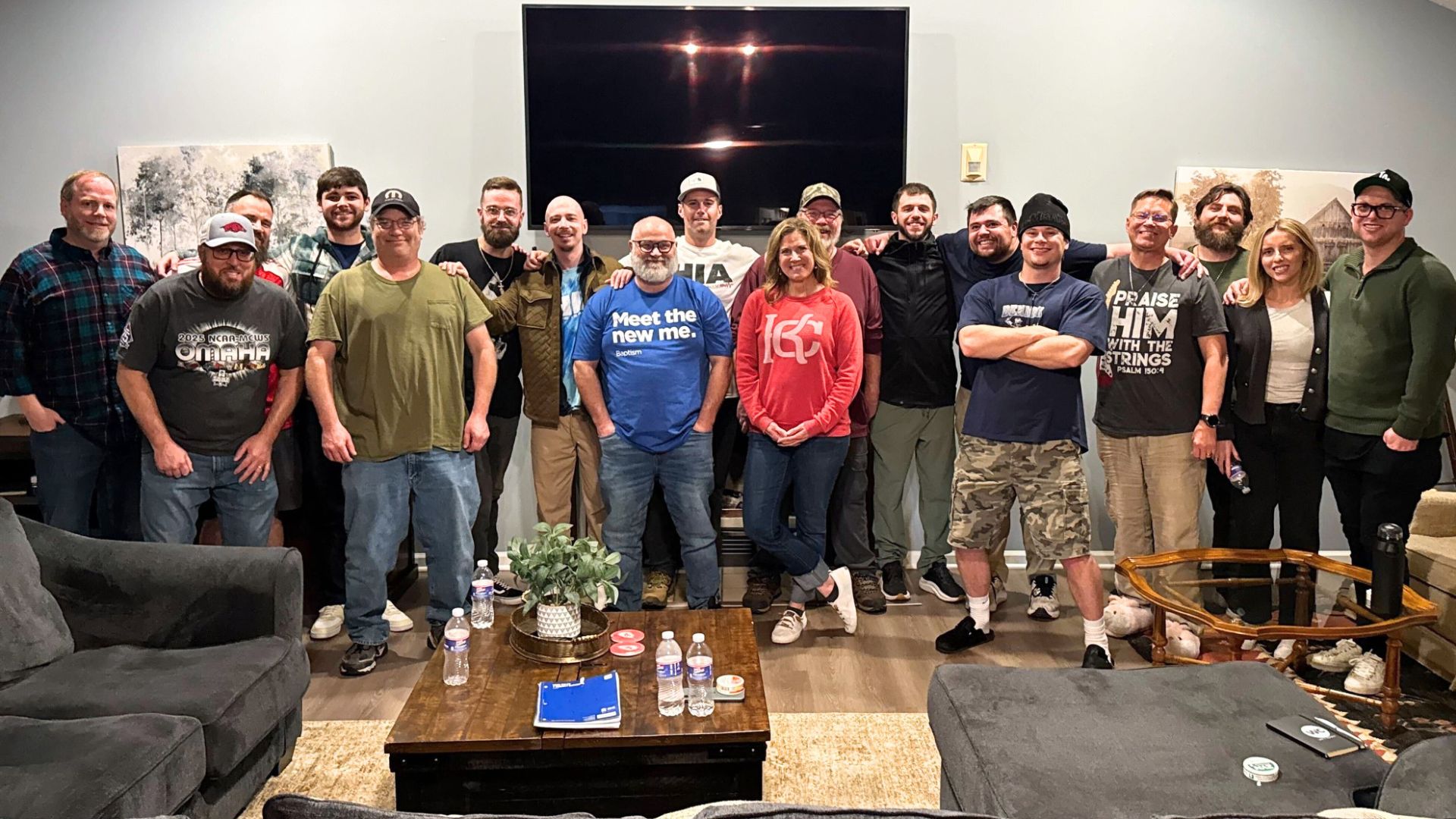
Turning Prayer into Action: Equipping Churches with Addiction Recovery Resources
After service, when most people are heading out and the room is starting to quiet down, someone walks forward for prayer.
They hesitate for a second before speaking.
“It’s not for me,” they say. “It’s for my son.”
Sometimes it’s a daughter. Sometimes a spouse. But the story is the same: Someone they love is caught in addiction, and they don’t know what to do.
So the church does what it knows to do. It gathers around them, places hands on their shoulders, and prays. But when the prayer ends, the person in need of help is often left wondering, “What now?”
For Felecia Athey, a leader at Journey Church in Kansas City, that question began to feel all too familiar.
“People don’t talk about addiction in church,” Felecia explained. “There’s a lot of shame and guilt, and you don’t always know who’s walking through it.”
After people started coming forward with their experiences with addiction, Felecia realized that Journey Church didn’t have clear next steps for anyone who needed them. Yes, the church could pray. But they didn’t have the resources to help people take the next step toward recovery.
That began to change when Felecia first encountered Hope is Alive.
At the time, their church wasn’t even looking for another local partner. They were already connected to several organizations in their community. But after learning more about the program, the decision came easily.
“After that first Sunday night meal, I was overwhelmed by the camaraderie of the women and how welcoming they were, inviting strangers into their journey and their struggle. The whole atmosphere and environment were like a big family, and I was shocked at how Jesus was always the focus and the answer to everything,” Felecia shared. “So, I asked God: What are we doing here? What does this look like for our church? Is this something you would want us to partner with?”
At first, she thought Hope is Alive would primarily be a way for Journey Church to have a bigger impact on the community through relationships and discipleship. What Felecia didn’t expect was how quickly Hope is Alive would become not just a place to serve but also a resource to lean on.
“I didn’t realize the value of having a resource like Hope is Alive,” she shared. “At first, I just saw it as another community partner — somewhere we could go, serve, and pour into others. But now I see that we actually have somewhere to point people when they need help.”
Just recently, two mothers reached out to Felecia looking for help for their children who were struggling with addiction. In the past, those conversations might have ended with prayer and encouragement, but little direction.
Because of Hope is Alive, though, Felecia was able to connect them with resources. Even if someone doesn’t qualify for Hope is Alive’s program, HIA still helps connect them to other places that might be able to help.
That’s when Felecia realized that this partnership wasn’t just about what Journey Church could give to Hope is Alive but also about what they now had to offer members of their congregation.
Today, Journey Church has a small but committed group actively involved with Hope is Alive’s recovery program — men going to the men’s home, women to the women’s home — building relationships, sharing meals, and stepping into stories they might never have encountered otherwise.
And through it all, Felecia has watched something powerful unfold inside the homes.
“The biggest impact for me is seeing the transformation,” she said. “Some of the women didn’t even have a relationship with Jesus before they came into the program. And now they’re discovering Him for the first time. It’s like watching someone become a new person.”
That transformation, both inside the homes and within the church, is what continues to affirm that this partnership was never accidental.
Finding Hope Podcast: Sober, Now What?

What happens after your loved one gets sober?
In this episode, Finding Hope Coordinator Darcie Stephens joins Director of Family Support Groups Amy LaRue to talk about the reality families face once sobriety begins. Their main takeaway is that while sobriety is a huge step, it is still normal to feel anxious and worried.
Watch the video above to hear them discuss how addiction affects the brain, why healing takes time, and what healthy communication and boundaries look like during recovery.
For more information, visit:
Becoming a Support Group Leader: Cindy’s Story
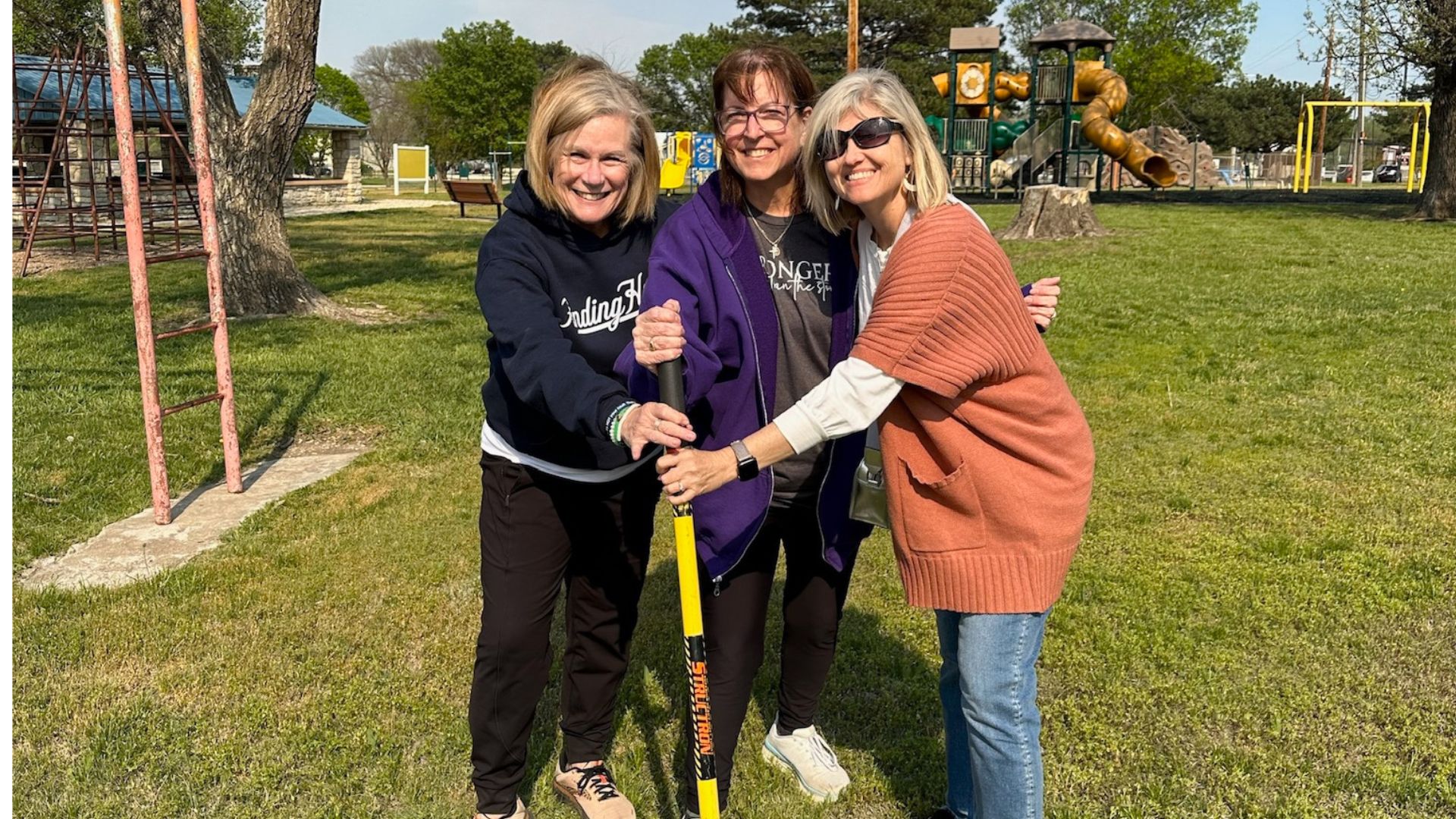
Becoming a Support Group Leader: Cindy’s Story
After the devastating loss of her son to a heroin overdose, Cindy Bowling found herself in the depths of grief. But in her darkest moments, she discovered a new path, one of faith, healing, and purpose.
In this powerful and emotional story, Cindy shares how she found God, overcame unimaginable pain, and became a HIA support group leader to help others who are struggling with loss and addiction in their families.Her journey is one of heartbreak, hope, and transformation — and a testament to the strength of a mother’s love and the power of God.
For more information, visit:
The Many Hats of Addiction

The Many Hats of Addiction
Have you ever found yourself wearing a hat that wasn’t yours? Maybe it didn’t quite fit, felt uncomfortable, or just wasn’t you. You spent the whole day adjusting it, feeling off balance, maybe even overwhelmed.
Now, think about that in the context of loving someone who struggles with addiction. How many “hats” have you picked up that were never yours to wear in the first place?
Let’s Talk About the Hats We Wear
When we love someone caught in addiction, it’s easy to slip into roles we were never meant to carry — roles like secretary, nurse, counselor, banker, shopper, sponsor, investigator, maid, boss, taxi driver… even trying to play the role of God.
- How does it feel to wear all of those hats?
- Why do we take them on?
- Do we truly need to wear them?
Out of Position
If we’re wearing hats that God never gave us, we’re likely missing the one He did.
When we take on roles not designed for us, not only do we end up exhausted and frustrated, but we also prevent others — including our loved ones — from stepping into their God-given roles.
- What roles in your life have been neglected or worn thin because you're carrying too much?
- What responsibilities are you holding that someone else should be learning to handle?
Reclaiming God-Given Roles
“I am (loved one’s name)’s (your role: mom, son, wife, friend, etc.).”
- What does that relationship look like when aligned with God’s vision?
- What might shift in your life — and theirs — if you reclaimed the role God intended for you?
Your Role Matters
God chose you for this relationship. He made you their mom. Their wife. Their brother. Their son. That wasn’t an accident.
This week, ask Him for the strength to lay down the roles you were never meant to carry, and the wisdom to step boldly back into the one He created just for you.
“Only let each person lead the life that the Lord has assigned to him, and to which God has called him.” 1 Corinthians 7:17 ESV
For more information, visit:
Faith-based support groups for families of addicts and alcoholics.
Nothing Changes if Nothing Changes: A Story of Faith, Family, and Finding Hope
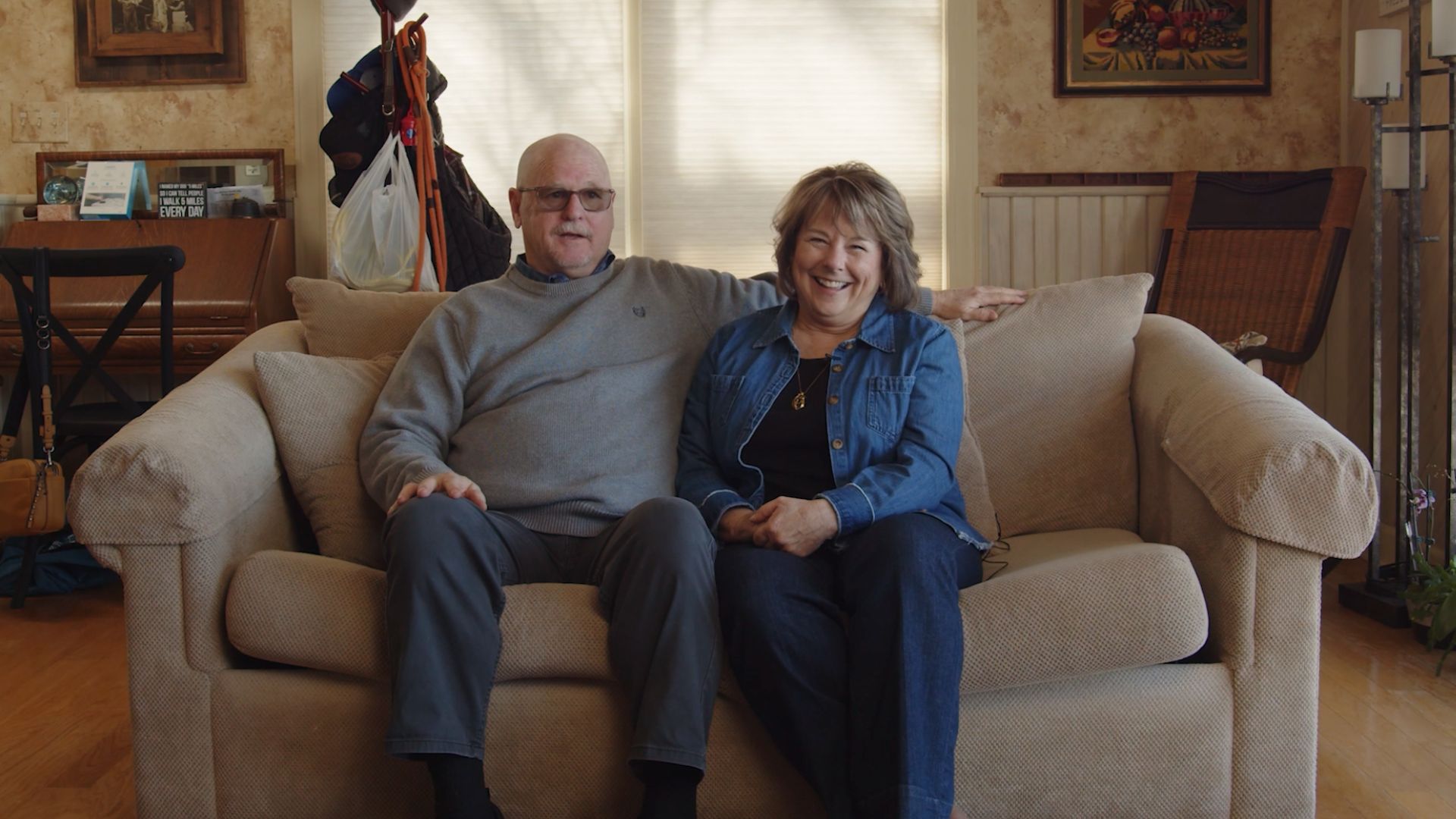
Nothing Changes if Nothing Changes: A Story of Faith, Family, and Finding Hope
We’ve all heard it time and time again: nothing changes if nothing changes. If something doesn’t prompt change, it simply won’t happen. Change doesn’t occur by accident, and it doesn’t come from wishing or waiting. Real change only begins when someone takes action.
The idea of evoking change isn’t new — but sometimes we need a reminder of how change actually works, and what role we play in making it happen. Change is limitless, but it’s rarely instantaneous. And while we can’t control everything, we can choose how we respond, how we grow, and how we move forward.
For families battling the effects of addiction, this kind of change is essential. When a loved one struggles, it can feel like life is stuck on repeat. Moments of heartbreak, confusion, hope, and disappointment happen again and again. It’s easy to feel powerless.
But you aren’t powerless. You have the power to shift the environment, your mindset, and your approach.
That reminder was a great relief to Barry and Gina Copeland.
Living with Addiction
For over 15 years, their family faced the heartbreaking challenge of their son Kyle’s battle with alcoholism. While watching him struggle to gain sobriety, Barry and Gina came to the realization that not only did Kyle need support, but they needed support as well. They were carrying deep pain, fear, and exhaustion, and they could no longer do it alone.
It was at this point in time that they connected with one of Hope is Alive’s support groups, Finding Hope. The road to Finding Hope wasn’t immediate. Like many families, Barry and Gina tried other support groups that didn’t quite click. There were groups where they felt misunderstood, disconnected, or even more discouraged. But then came Hope is Alive’s Finding Hope program, a support group designed specifically for the loved ones of addicts. There, they found not just tools and insight, but comfort. They weren’t alone anymore. There were others who understood the sleepless nights, the unanswered prayers, and the ache of watching someone you love suffer.
“It can be easy to be disappointed in yourself, be disappointed in God… Am I not praying hard enough? Do I not have enough faith? That's what Finding Hope has really brought — that clarity… this is our role in this.” —Gina Copeland
Faith Over Fear
The message of Finding Hope that resonated with Barry and Gina most is simple but powerful: nothing changes if nothing changes. As Gina says in the video, hearing those words and living those words are very different things, but if you cling to your faith and trust in God, you will get through it.
In Finding Hope, Barry and Gina found a new perspective: their role was not to fix Kyle. As much as they longed for his transformation, they realized they couldn’t want change more than he did. What they could do was care for their own hearts, lean more fully into their faith, and trust God with the outcome. That was the change they could make, and it made all the difference.
Watch the video above to see how Barry and Gina’s story is a powerful reminder that hope, healing, and peace are possible for families of addicts.
Faith Stronger Than Addiction | Bible Reading Plan
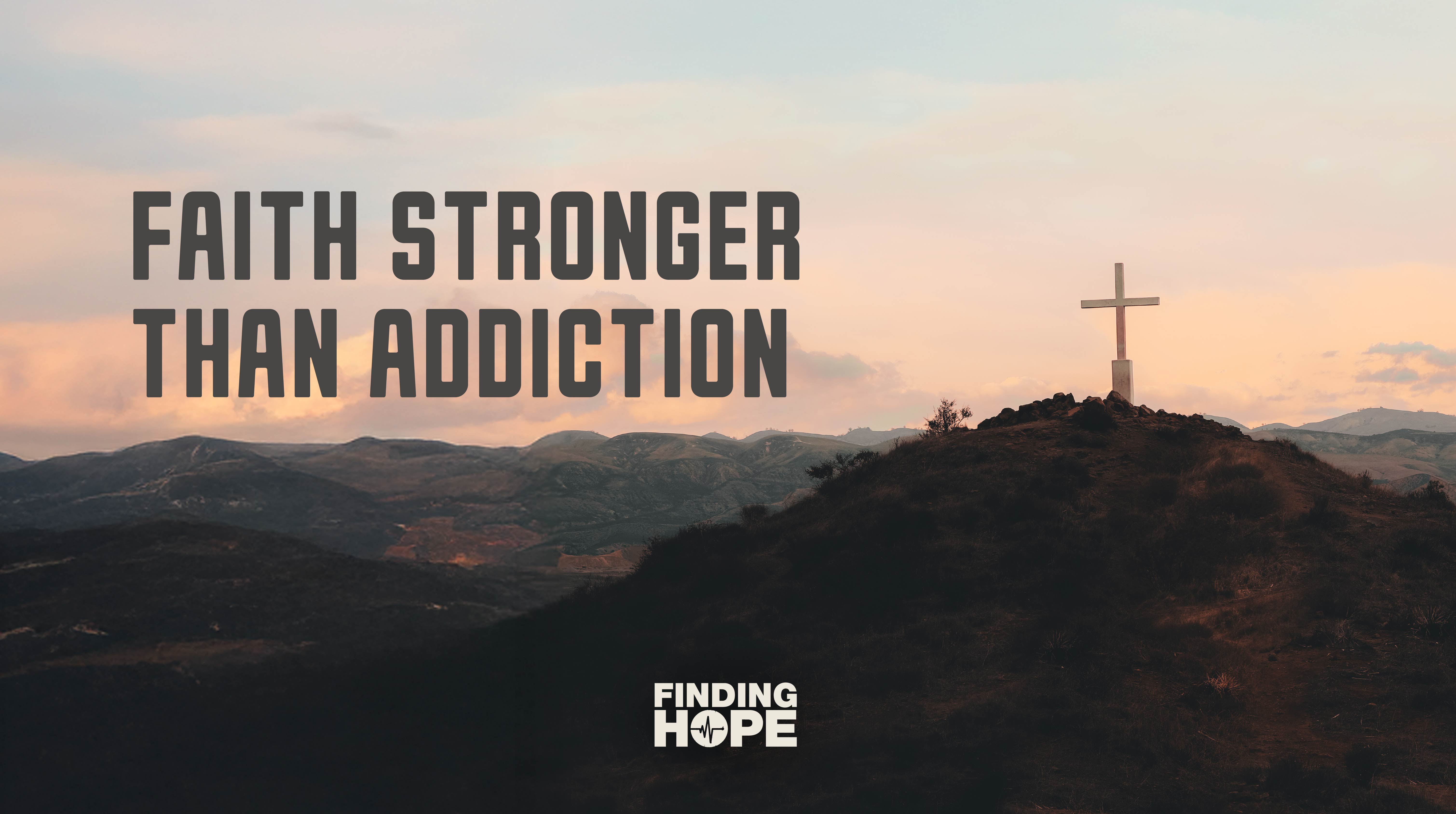
Faith Stronger Than Addiction
If you love someone battling addiction or alcoholism, then you know this fight isn’t just their fight — it becomes yours too. You feel the fear, the uncertainty, the hope, the disappointment, the exhaustion, and the constant guessing game of what might happen next. And you cling to your faith to get through it all. Faith Stronger Than Addiction is a seven-day journey to help you lift your eyes, pick up your spiritual armor, and hold fast to the God who fights for you.
Start the plan here: Faith Stronger Than Addiction
Hope is Alive’s Alumni Association Funds a Night Out

Fun in Sobriety: Hope is Alive’s Alumni Association Funds a Night Out
This past March, Hope is Alive alumni from nearly every market stepped away from their usual routines to simply have fun together.
Instead of a traditional meeting format, alumni gathered for a coordinated “Fun Night” across the country. The goal was simple: create space for connection and laughter.
Each market brought its own unique flavor to the evening:
- Greenville, NC: A group steak dinner
- Crystal Coast, NC: Axe throwing
- Tulsa, OK: Pickleball
- Oklahoma City and Weatherford, OK: Bowling
- Wichita, KS & Kansas City, MO: Topgolf
- DFW, TX: Go-kart racing
Food and activities were fully covered by the Alumni Association, allowing attendees to simply show up, enjoy themselves, and participate at whatever level they felt comfortable, whether that meant diving into competition or just catching up with friends.
Many alumni shared that they needed a night like this, and that it was a lot more fun than they expected. There was no formal agenda, no structured programming — just fun in sobriety. And of course, there was some friendly competition mixed in.
From pickleball in Tulsa to bowling in Oklahoma City and Weatherford to Topgolf in Wichita and Kansas City, the competitive side definitely came out. And it wasn’t just the guys! The women showed up and showed out, too. Whether they knew how to play or not, everyone jumped in, laughed a lot, and made the most of it.
Brie Enterline, an alumnus since 2024, shared, “I love alumni outings because I get to be around my people and have fun! I get to see everyone's personalities and how they grow from one month to the next!”
And she’s not alone in this sentiment! There are countless alumni who look forward to these outings.
For a lot of people, it’s something different than what they expected recovery to look like. Nights like this challenge the idea that life in sobriety is boring or limited. Instead, it shows that it can actually be FUN.
It also gives alumni a chance to build deeper, and sometimes brand new, relationships. The same people they once sat next to in meetings or walked through the program with are now their teammates, their competition, or the ones keeping everyone laughing between turns. And beyond that, it brings together alumni from every season of Hope is Alive — those who graduated the program eight years ago and those who graduated six months ago.
“My favorite part of this past alumni outing was all the camaraderie and seeing everybody reconnect with the HIA family,” shared Dylan Wishon, an alumnus since 2025.
The Alumni Association’s investment in nights like these is an investment in the alumni and their joy, their relationships, their sobriety, and their continued success. And if there’s one thing this night made clear, it’s that life after Hope is Alive is nothing like the life they left behind.
Jesus is Always the Answer to Sobriety
Jesus is Always the Answer to Sobriety
Did you know that traditional addiction recovery programs only have a 40% long-term success rate, while more than 80% of Hope is Alive’s graduates achieve long-term sobriety?
We know this is because of Jesus.
There is one truth that defines our culture here at Hope is Alive, and it’s that Jesus is always the answer. It’s a part of our staff culture. It’s a part of our resident culture. And Easter reminds us why.
The resurrection of Jesus is the reason we believe that no life is too far gone and no situation is without hope.
Because He rose, we know that dead things don’t stay dead. Dreams can be revived. Identities can be rewritten. Families can be restored. Addiction can be beaten.
Every story we see at Hope is Alive, every man or woman choosing recovery, is living proof of God’s miracles.
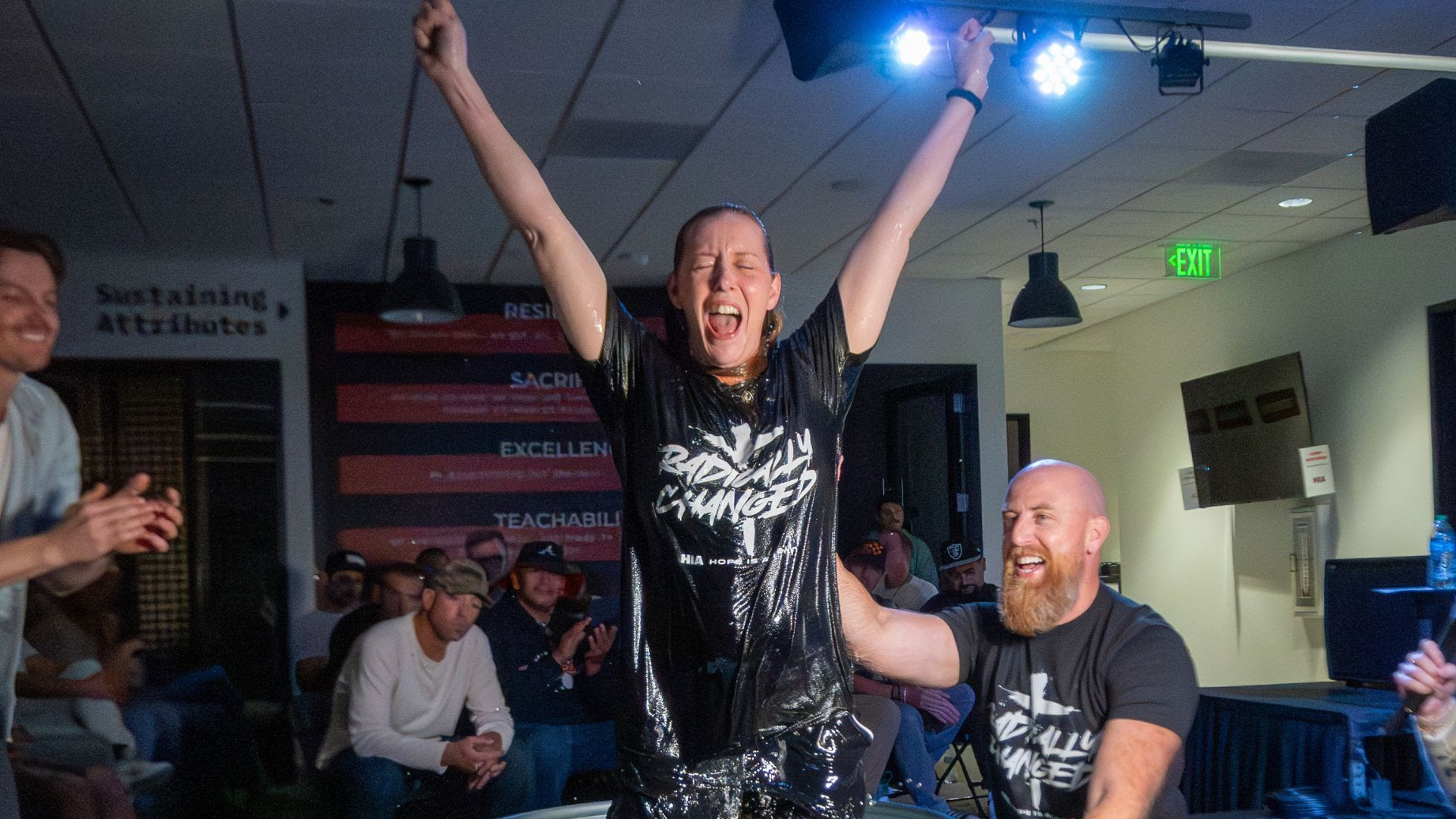
Ask any of the 619 residents who’ve been baptized, or any of the 304 residents who’ve graduated from our recovery program: Jesus is always the answer.
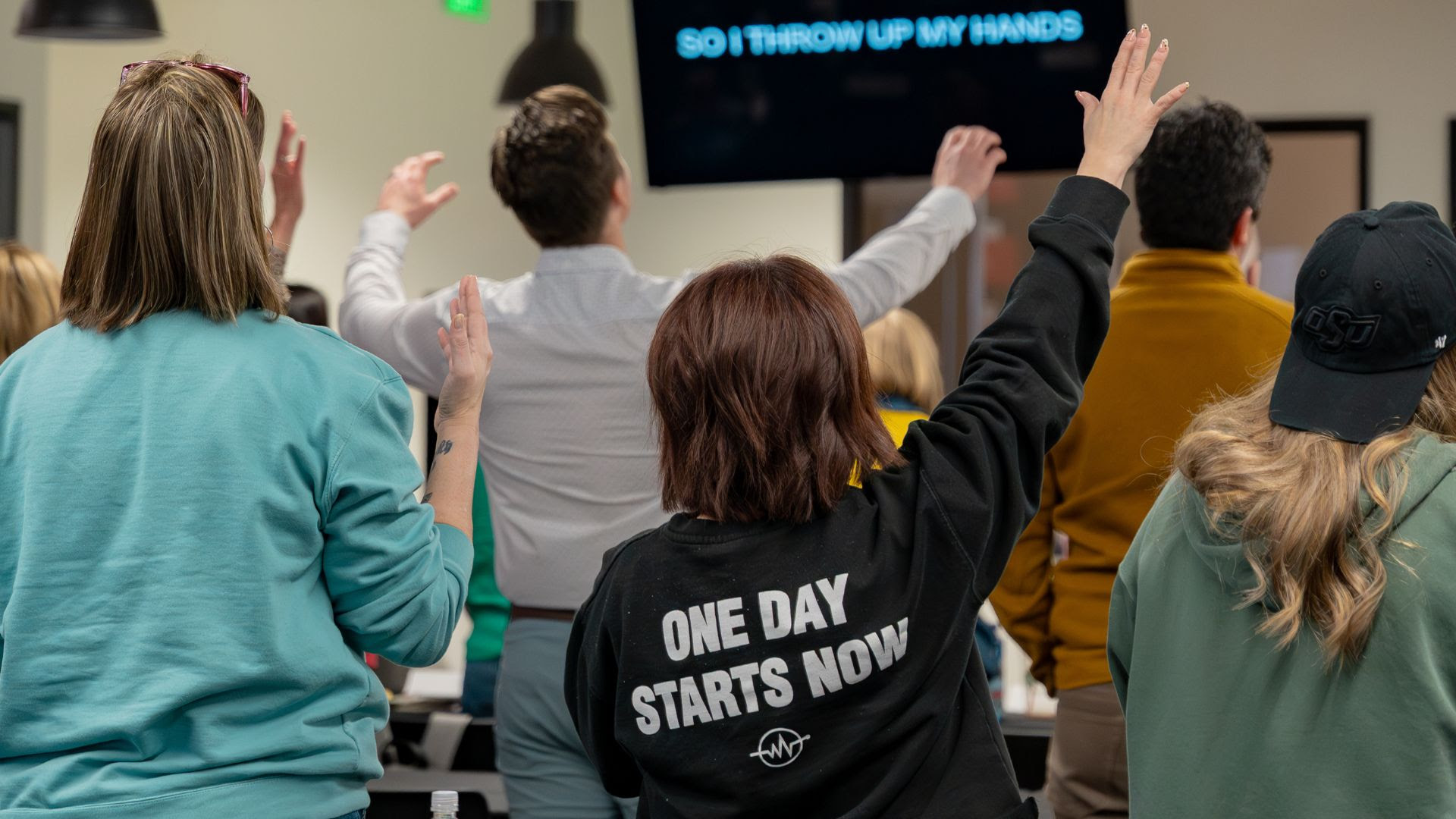
Through YouVersion, Hope is Alive provides Bible reading plans created specifically for individuals and families impacted by addiction. Our plans have ranked among the top three trending on the platform!
Start your next plan today and experience the power of God’s word in your journey!
YouVersion is a free Bible app with over one billion users worldwide, designed to make scripture accessible to everyone.
Addiction Doesn't Take Away God's Love
Addiction Doesn't Take Away God's Love
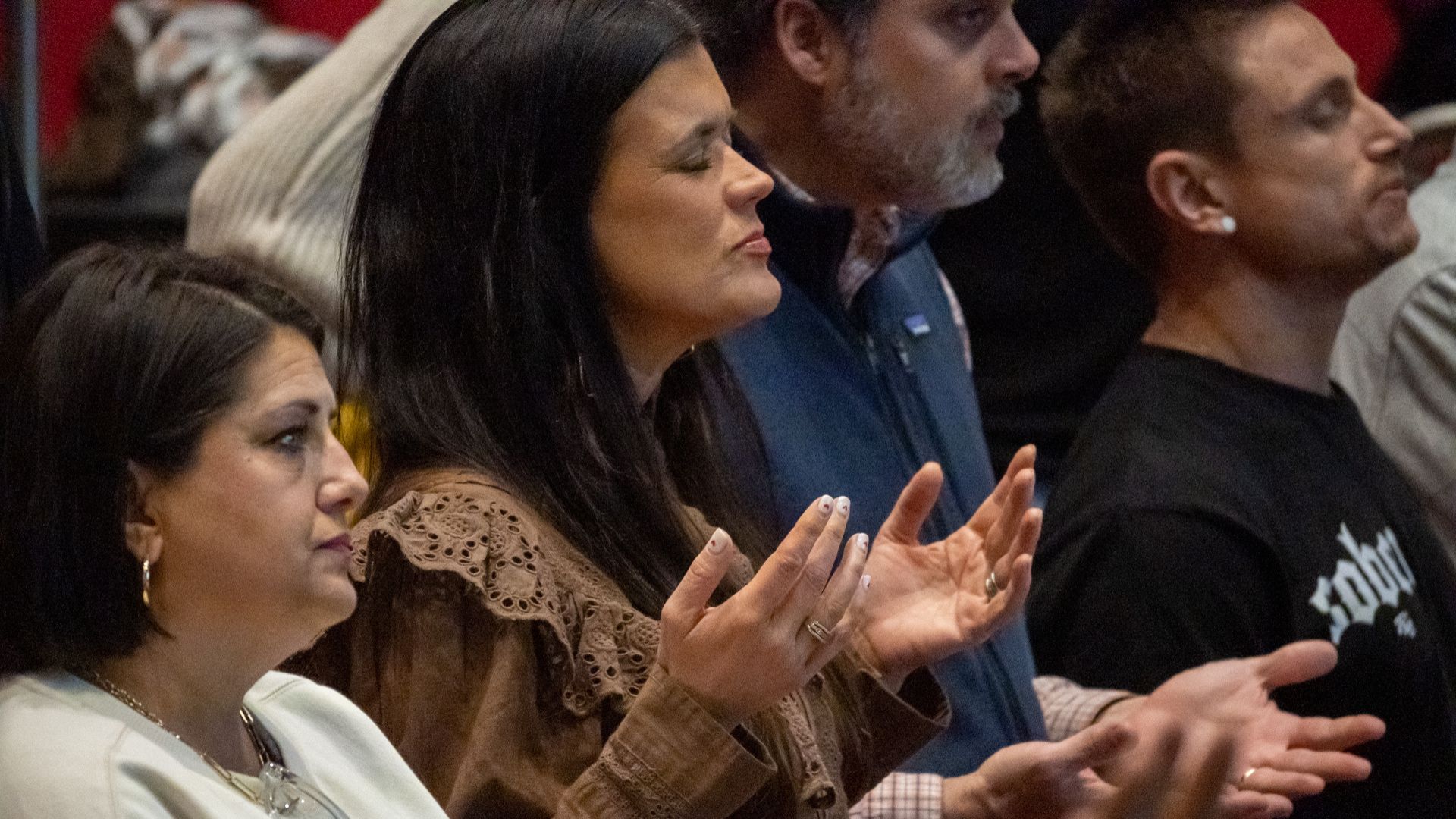
“Nothing can separate us from the love of God that is in Christ Jesus our Lord.” Romans 8:39
If you love someone who struggles with addiction, you know how easy it is to lose sight of what is steady when life feels unpredictable.
Addiction pulls our focus toward fear, control, and survival. We scan for signs, brace for the next crisis, and replay conversations in our minds. In the middle of all that noise, one truth often gets drowned out:
God’s love has not changed — toward your loved one or toward you.
There were seasons in my own journey when I felt emotionally exhausted and spiritually numb. Loving someone in addiction stretched me beyond what I thought I could carry. I tried to fix what I couldn’t fix and confused responsibility with rescue.
What I slowly learned was this: God’s love was never dependent on my strength or my ability to hold everything together. His love met me right in my weakness.
Addiction tells us love must be earned or withheld until someone changes — but God’s love is not conditional.
- It is not canceled by relapse.
- It is not threatened by chaos.
- It is not confused by boundaries.
You can love someone deeply and choose health. You can set boundaries and stay rooted in compassion. These do not place you outside of God’s love. Rather, they place you right in the center of it.
If you’re weary today, let this be your reminder: You are not failing. You are not forgotten. You are not alone.
God’s love is still holding you — right here, right now.
With hope,
Darcie Stephens, Finding Hope Coordinator
For more information, visit:
Faith-based support groups for families of addicts and alcoholics.
Hope is Alive in Greenville
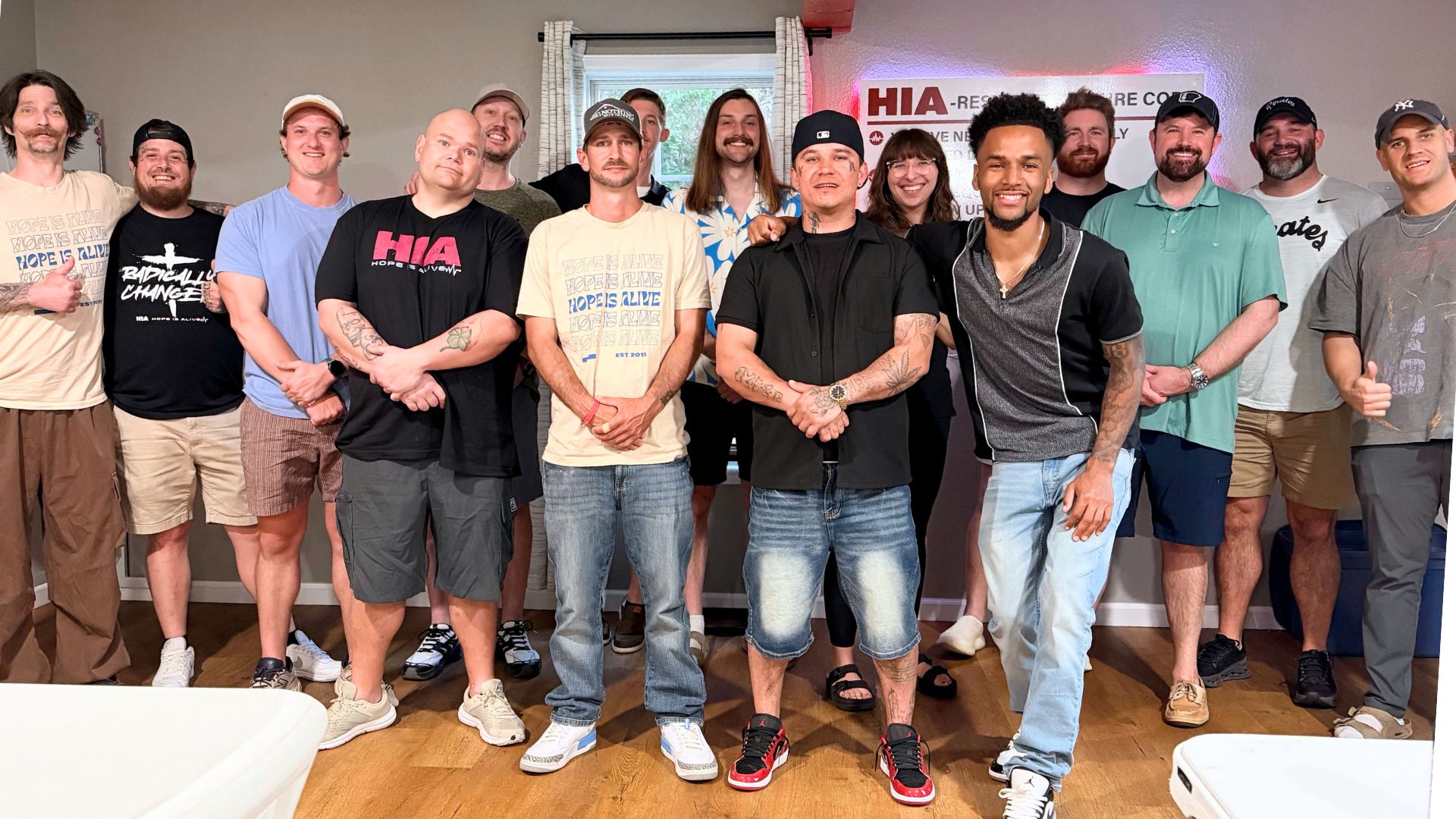
Hope is Alive in Greenville
Hope is the foundation for radical life change. There’s no doubt about it. Before habits change, before healing begins, before a new future feels possible, hope has to take root.
Hope is an expectation, a desire, and a trust that the work being done today will have an impact on tomorrow. It’s the force that keeps us moving forward, especially when the road ahead of us isn’t paved.
The Road to Recovery
”If you give all you’ve got to this program, you won’t recognize your life when you graduate.”
This is Hope is Alive’s promise to residents in their program, and they don’t take it lightly. After all, Hope is Alive’s mission is to radically change the lives of drug addicts, alcoholics, and those who love them. It isn’t easy. It requires commitment, persistence, and a willingness to do things differently than before.
Our program doesn’t offer quick fixes or surface-level change. It’s designed to transform residents from the inside out: spiritually, mentally, emotionally, and physically. Every day is intentionally structured to help residents develop a strong foundation for long-term recovery. We don't just teach residents what to avoid — we teach them what to pursue: character, integrity, responsibility, and connection.
Greenville graduate Mike Alsip knows better than anyone the power behind these lessons.
“Hope is Alive gave me the toolkit to rebuild my life,” he shared. “In just three years, my family and friendships have been fully restored.”
You will not find the Hope is Alive curriculum anywhere else in the world. The life-changing work residents do in our three-phase program was specially designed for Hope is Alive’s approach to recovery. We call it recovery done differently for a reason.
“I wrote a program that works all the way back from ‘I am a raging drug addict and alcoholic’ to ‘this is who God created me to be,’” Ally Lang, Co-founder and Co-CEO of Hope is Alive, shared. “Most places just tell you to stop drinking and using. We say, ‘Let’s create a life so good you never want to escape from it again.’”
The Road After Recovery
Today, Hope is Alive alumni are thriving in careers ranging from real estate and entrepreneurship to ministry and nonprofit leadership. Success looks different for each graduate, but they all leave the program dreaming bigger, setting new goals, and embracing opportunities they once thought were out of reach.
For Greenville graduate Christian Briley, Hope is Alive provided the foundation he needed to build a better future.
“Before coming to Hope is Alive, I didn’t know what true community felt like,” Christian shared. “Having so many men and women of God care for me and pour into my life has been a game-changer. It allowed me to see a deeper picture of the love of Christ.”
That sense of community doesn’t stop at the doors of Hope is Alive. The Greenville community plays an active role in the recovery journey of residents, offering mentorship, prayer, employment opportunities, and unwavering support. Together, they help create an environment where residents are empowered to grow and thrive.
For fellow Greenville graduate Dylan Clem, the greatest impact Hope is Alive had — aside from sobriety — was the quality of the relationships he now has.
“Hope is Alive funneled countless community members and supporters into my life,” Dylan said. “Those relationships wiped away my shame and guilt and allowed me to love myself for the first time in over a decade.”
In Greenville, residents don’t enter the program, graduate, and then disappear. Instead, they leave with relationships already in place — people who know their story, expect growth, and continue to walk with them as they integrate back into “normal” life. This continuity is a critical part of why long-term recovery is possible.
Hope is Alive
Hope is alive in Greenville, and lives are being transformed every single day because of it.
You can see it in the residents learning how to show up, follow through, and take responsibility for their lives. You can see it in the moms who now sleep through the night. You can see it in the children who have a parent back in their lives. And you can see it in the supporters who choose to step in and help make long-term recovery possible.
Hope is Alive because of the belief that no one is ever too far gone. No story is beyond redemption.
This is why Hope is Alive exists. The program doesn’t exist just to help people get sober but also to help them discover purpose. To help them become the men and women they were always created to be. To help families heal, communities grow stronger, and cycles of addiction finally come to an end.
Suppressed Feelings: Addiction's Impact
Suppressed Feelings: Addiction's Impact
Have you ever been told your feelings don’t matter, so you learned to shove them down?
When your husband drinks or your child uses substances, it's easy to feel like your feelings don't matter. So, you shove them down and push onward even though it's more harmful than helpful. You feel powerless to addiction, and just want to avoid the pain it brings. But avoiding and healing are two different things.
At Finding Hope, we say, “You must feel to heal.”
But what does that really mean, especially when it feels like it might hurt too much to even go there?
It is important to truly feel our emotions because awareness is what allows us to grow, heal, and respond in healthier ways. When we are able to recognize and understand what we’re feeling, we can navigate conflicts more effectively because we aren’t reacting out of confusion or hurt.
Processing emotions, rather than avoiding them, helps us move through difficult experiences instead of getting stuck in them. Over time, this builds a deeper sense of self-awareness and gives us greater control, not over whether we feel, but over how we respond.
When we ignore or deny our emotions, they don’t disappear — they often surface in ways that can harm both ourselves and the people around us. Feeling our emotions without judgment allows us to address the root of our pain rather than projecting it onto others or punishing ourselves. True healing begins when we acknowledge what we feel and give ourselves the space to process it with honesty and compassion.
Maybe it’s the first time in a long time, but try to feel. Maybe you need to squeeze that cactus and just cry. Maybe you need to scream into a pillow. Maybe you need to just say “It’s ok to feel.” Whatever you’ve been pushing down, you don’t have to carry it alone anymore. Allow yourself to feel… and let the healing begin.
If you're looking for a support group for wives of drug addicts or alcoholics, or for a support group for moms of alcoholics or drug addicts, join a Finding Hope Family Support Group near you.
We offer recovery for family of alcoholics. We offer recovery for family of addicts. We offer faith-based support groups.
For more information, visit:
Faith-based support groups for families of addicts and alcoholics.
20/20 VISION | Bible Reading Plan

20/20 VISION
How can you embrace this new year? This new decade? This new season of YOUR life?
In this reading plan from the #HopeDealer and founder of Hope is Alive Ministries, Lance Lang, you will learn how to push yourself, change your perspective, adjust your alignment, and grab God's 20/20 vision for yourself! Don't let another day go by not living in the purpose, plan, and vision God has for you.
Start the plan here: 20/20 VISION