Articles & Resources
Explore articles and resources designed to bring encouragement, insight, and hope for every step of the recovery journey.
Loving an Addict and Caring for Yourself


Loving an Addict and Caring for Yourself
When was the last time you did something for yourself?
Last week, I spent over an hour on the phone with someone who has poured their whole self into finding the perfect treatment facility for their loved one. She has done all the research and isn’t stopping, but what I mainly heard on the other side of the phone was pure mental exhaustion. And I know many of you are there, too.
When you love someone struggling with a substance use disorder, it’s easy to lose yourself in the chaos. Families navigating addiction recovery often carry the emotional weight of trying to save the person they love while neglecting their own mental health and well-being. It’s all about how to help your husband get sober, how to help your son get sober, and so on.
We do it all. We call the rehabs, we make the spreadsheets, we talk to the doctors, we Google until there is nothing left to Google, and in the midst of making all those decisions, we worry about making the wrong decision. Before long, we can’t even remember who we have talked to, what place has what, or even what day it is.
You are driving yourself crazy and don’t even know how to stop! Why? Because you are exhausted, drained, and running on adrenaline. Caring for someone battling addiction can take a serious toll on your emotional, physical, and mental health.
(Side note: I want you to know… There is no “perfect” treatment facility, counselor, or addiction recovery program. BUT there are VERY successful addiction treatment centers out there. So don’t make yourself crazy trying to find the perfect one — it doesn’t exist!)
If that sounds like you, please hear my heart today. You are going to make yourself physically and mentally sick if you haven’t already. I know this because I have been there. During the peak of my husband’s addiction, I was sicker (strep, fevers, etc.) than any other year. I was also mentally and emotionally drained. I wasn’t a present mother, daughter, employee, or friend. I was completely consumed by fixing my husband. But the thing is: my husband didn’t want to be fixed, so all that time and energy were wasted.
One of the hardest lessons families in addiction support learn is this: You cannot force someone into recovery. Healing begins when the person struggling with addiction chooses help for themselves.
I could easily make a long list of things you should be doing, but I know that can be overwhelming. So, today I want to ask you to do two things each day this week:
1. Find 30 minutes just for YOU.
Go for a drive, read a book, watch a show, get some ice cream — whatever you enjoy doing and have been neglecting to do. Now here is the harder part: do it with your phone turned off. It’s just 30 minutes. If there is a true emergency, someone can call 911.
Practicing self-care while loving someone with addiction is not selfish — it is necessary.
2. Set a time boundary for your research.
12:00pm–1:00pm, 5:00pm–6:00pm, 7:00pm–8:00pm — whatever works for you. But be sure to set a timer and STOP when the timer goes off. You will begin to get your day back while still having time to learn more about addiction treatment and recovery resources. Just don’t let yourself go down that rabbit trail.
Remember, Hope is Alive has a team dedicated to helping your loved ones find addiction treatment and recovery support. Their job is to meet with treatment facilities and learn the ins and outs of all of them. Let our team take this BIG load off your shoulders.
With hope,
Amy LaRue, Director of Family Support Groups
For more information, visit:
Faith-based support groups for families of addicts and alcoholics.
Rakin's Road to Christ

.jpg)
Rakin's Road to Christ
He came to The Healing Center Muslim. He left a baptized Christian.
“I’ve been to 10 different rehabs…”
We hear these words every single day. And every single day, we see lives like Rakin’s radically change.
Watch the video below to learn more about Rakin’s story and how The Healing Center helped set him free.
Ask Rakin. Ask the 10 residents who’ve been baptized. Ask the 18 who’ve completed our 45-day program since we opened 90 days ago. Freedom is real, and it’s possible.
Will you help us set all the captives free?
The Importance of Grace When Dealing With Addiction

The Importance of Grace When Dealing With Addiction
Supporting a loved one through addiction, substance abuse, alcoholism, drug dependency, or mental health struggles can be incredibly challenging, both emotionally and mentally. Many times, we are in the middle of the storm and just don’t know what to do, so we do the best we can with what we do know. We may look back and wish we did things differently, but we must give ourselves grace.
Remember: You don’t know what you don’t know. There is no manual for loving someone with a substance use disorder, opioid addiction, alcohol addiction, drug addiction, or co-occurring mental health disorder, and there is no one-size-fits-all solution; if there were, this would be so much easier for all of us. So give yourself grace.
We do our best with what we know, and many times, all we know is that we are just in survival mode while trying to help someone battling addiction, relapse, recovery challenges, or destructive behaviors. We may wish we did or said something differently, but in those moments, we must forgive ourselves, avoid self-blame, and be patient with ourselves. Give yourself grace.
Remember: You don’t have to go through this alone. There are over 165 million Americans affected by substance abuse and addiction recovery, so that means millions of friends and families understand what you are going through. Connect with Finding Hope, a support group full of others who understand.
Recovery is a long process — not just for your loved one but for you as well. Healing from addiction, trauma, relapse, codependency, and emotional exhaustion takes time. Give yourself time to heal, and don’t expect perfection from yourself. You’re human, and you’re navigating a difficult situation as best as you can. So give yourself grace.
For more information, visit:
Faith-based support groups for families of addicts and alcoholics.
Hope is Alive Celebrates Women in Recovery
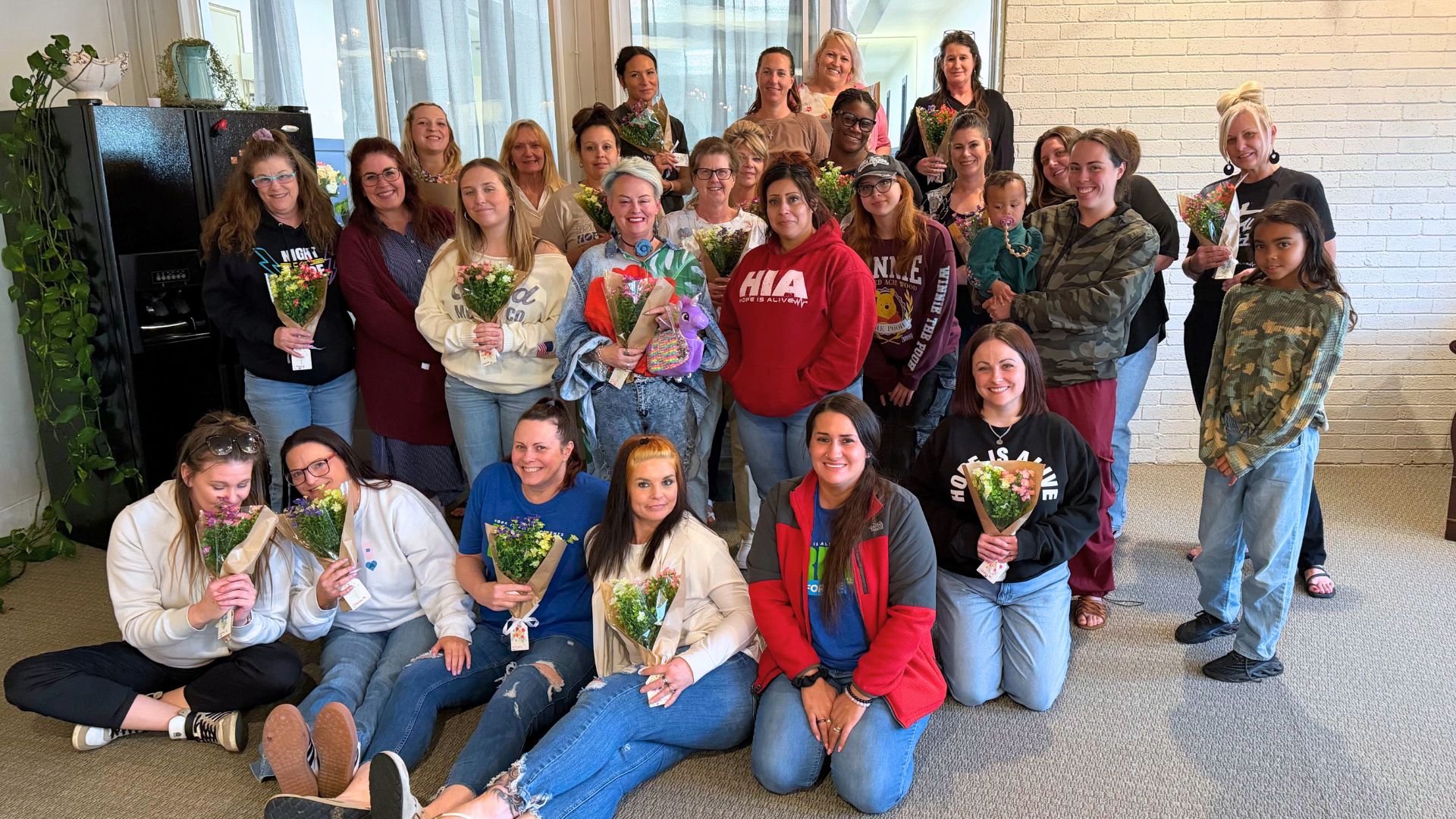
Hope is Alive Celebrates Women in Recovery
Some of the strongest women we know almost didn’t make it.
Before the healing, before the laughter, before the restored families and renewed purpose — there were moments filled with fear, addiction, heartbreak, substance use, and hopelessness. But at Hope is Alive, we’ve seen what can happen when women are given a safe place to heal and people who refuse to give up on them.
Recovery isn’t easy, and it definitely isn’t one-size-fits-all. But every woman who walks through our doors carries a story worth telling. This week, we’re celebrating the women in recovery who continue to fight for freedom every single day — and the incredible strength it takes to choose hope when life has tried to take it away.
Sunday Night Meetings Across the Country
The following recaps were written by our program managers and shared internally with all Hope is Alive staff so we could celebrate the wins, too. Now, we are sharing some of them with you!
Wichita Women Wins
We got to celebrate three ladies phasing up: Crissy and Susan are now on phase two of the recovery program, and Janell is on phase three! We also celebrated Kristen, who reached two years of sobriety!
Goal Achievements
- Janell saved $100 and listened to worship music on the way to work
- Heather paid her insurance on time and improved the relationship with her children' s step-mom
- Echo read the entire book of Proverbs
Sobriety Celebrations
- Janell: 68 months
- Kristen: 24 months
- Amanda: 20 months
- Crissy: 7 months
- Ally: 2 months
We celebrated a total of 121 months of sobriety in the Wichita women’s house! That’s over 10 years!!
Our speaker shared an incredible message about Mother's Day — how it holds so many emotions that none of us experience in the same way. She covered many mothers in the Bible, sharing how God never asked us to be perfect and that’s why He didn't put perfect stories in the Bible. Joel 2:13 encourages us to return to God and reminds us of His character.
She told us our recovery and sacrifice do not define us, it is our semi colon. We are simply in the middle of our story.

Tulsa Takes Recovery By Storm
What an incredible Sunday night in Tulsa!
Thank you to the Finding Hope ladies for the amazing food and fellowship!
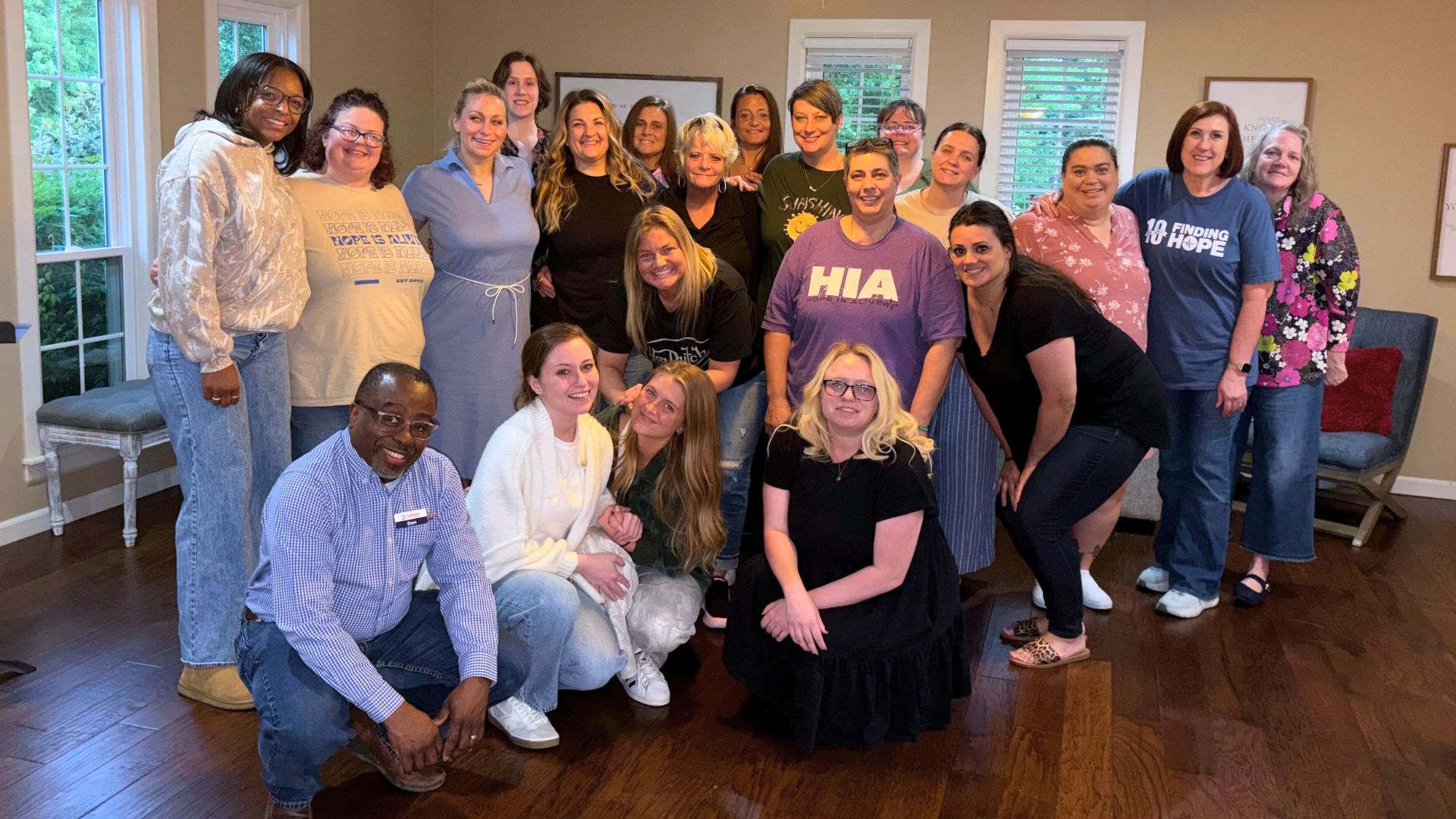
This Sunday night, we welcomed home Andrea and Marina (two new residents!), celebrated Christina’s two years sober, and cheered on three phase ups: Erica is now on phase three, and both Kara and Mackenzie are now on phase two of Hope is Alive’s recovery program.
We also celebrated goals reached by Erica and Kim, plus an incredible 98 months of sobriety among our women this week!
- Ann: 22 months
- Julia: 14 months
- Amy Jo: 9 months
- Teagan: 9 months
- Marina: 9 months
- Kim: 9 months
- Katie: 9 months
- Lily: 7 months
- Brooke-lyn: 6 months
- Krista: 2 months
- Talyn: 2 months
A special shoutout to Don from Gateway Financial for teaching us practical steps toward financial peace. We’re grateful for all who pour into our ladies and support what God is doing in Tulsa!
Oklahoma City Overcomes Addiction
We got to celebrate two of our ladies phasing up! Shelby phased up to phase two and Lauren phased up to phase three! What a milestone for them both!
Goal Achievements
- Joanna became a certified interventionist
- Brenda talked to mom for the first time since 2022 and made her amends
- Lauren’s sister texted her that she was proud of her after years of no contact
- Shelby’s mom is supporting her on her journey
Sobriety Celebrations
- Kennedy: 16 months
- Zabrina: 16 months
- Dalynne: 15 months
- Michelle: 9 months
- Madeline: 2 months
- Jenny: 2 months
- Mart: 1 month
We celebrated a total of 61 months of sobriety in OKC!
Our speaker, Shae Gregston, delivered a message that resonated deeply with everyone. She explored how attachment shapes our trust, self-worth, and relationships, explaining the different attachment styles and their impact. Shae offered guidance on healing through self-awareness, setting healthy boundaries, and leaning into discomfort, all while trusting God as the ultimate caregiver. She concluded with the inspiring metaphor of Kintsugi — the Japanese art of repairing broken pottery with gold — illustrating how embracing our brokenness allows God to transform us into something stronger, more beautiful, and more whole.
There is hope in the fight against addiction! There is hope for those in recovery, and there is hope for the families of addicts and alcoholics!
The Importance of Monthly Partnerships

The Importance of Monthly Partners
A bed. Clean linens. A hot shower. Toilet paper.
For many of us, these are everyday essentials we barely think twice about. But for the men and women in Hope is Alive’s recovery program — for men and women with substance use disorders trying to find freedom from addiction — these things often feel like luxuries.

Many of our residents have slept in cars, on couches, under bridges… or in jail. They’ve gone days, if not weeks, without showers, squatted behind bushes to relieve themselves, eaten scraps or handouts, and used whatever resources they could find just to get by.
But because of supporters like you, they get to leave this reality behind when they come to Hope is Alive. They get to live radically changed, sober lives.
When you become a monthly partner, you help ensure that no one in our program has to wonder where they’ll sleep tonight… or if they’ll have clean clothes, a warm shower, or even toilet paper.
$25/month helps provide essential toiletries
$50/month helps provide bedding
$100/month helps provide hot showers
Losing Lexi: One Mother's Story of Grace in the Midst of Addiction and Loss | Bible Reading Plan

Losing Lexi: One Mother's Story of Grace in the Midst of Addiction and Loss
What happens when you feel like you’ve done everything right, but things go completely wrong? Kris Darrah and her husband Mike did all they could to raise their four kids in a loving Christian home. But when the grip of mental illness and addiction overtook their oldest daughter, Lexi, Kris soon realized that life doesn’t always go the way we hope and plan. Her story is a testament to the fact that hope can be restored when we lean on our loving and sovereign Savior.
Start the plan here: Losing Lexi: One Mother's Story of Grace in the Midst of Addiction and Loss
What to Do When You Discover Your Child is an Addict or Alcoholic

What to Do When You Discover Your Child is an Addict or Alcoholic
Finding out your child is struggling with a substance use disorder can leave you feeling like your world has been turned upside down. You may find yourself asking, “Where did I go wrong? How did this happen?”
The child you raised and love deeply is going down a path you never wanted for them, and you don’t know how it happened or what to do.
The weight of fear, confusion, guilt, shame, and heartbreak can feel overwhelming. But know this: You are not alone. It’s not your fault. There is hope.
At Hope is Alive, we’ve walked alongside countless families facing this exact moment. There are thousands of parents across the United States looking for the same path forward you are. And there are thousands more already on the path to recovery.
If you’re wondering what to do when you discover your child is an alcoholic or addict, here are some important next steps.
Recognize the Signs of Addiction and Alcoholism
Before taking action, it’s important to understand the common signs of addiction and alcoholism. According to the Diagnostic and Statistical Manual of Mental Disorders from the American Psychiatric Association, these may include:
- Sudden changes in behavior or mood
- Secrecy or dishonesty
- Financial problems or unexplained spending
- Neglecting responsibilities at home or work
- Physical changes such as weight loss, fatigue, or poor hygiene
Addiction is a chronic condition that affects the brain and behavior. Recognizing it early can help you take informed steps toward recovery.
Educate Yourself About Addiction and Alcoholism
Understanding addiction and alcoholism as diseases, not moral failures, can help you respond more effectively. Research shows that substance use disorders often require professional treatment and long-term support.
Look into:
- Types of addiction (alcohol, opioids, fentanyl, heroin, stimulants, etc.)
- Treatment options (inpatient rehab, outpatient programs, counseling, sober living)
- The role of mental health in addiction
The more informed you are, the better equipped you’ll be to navigate this situation.
Avoid Reacting in Highly Emotional Moments
Your first instinct may be to confront your child immediately. While your emotions are valid, reacting in the heat of the moment can lead to denial, defensiveness, or conflict.
Instead:
- Choose a calm, private time to talk
- Use non-accusatory language like “I’ve noticed…”
- Focus on your concern and love, not blame
Set Healthy Boundaries
As a parent, your instinct is to protect your child, but it’s important to understand the difference between helping and enabling.
Healthy boundaries might include:
- Not giving money that could support substance use
- Not covering up or making excuses for behavior
- Setting expectations for living arrangements or responsibilities
- Prioritizing safety for yourself and others in the home
Boundaries are not punishment. They are a necessary part of long-term recovery.
Encourage Professional Help
Substance use disorders rarely resolve without structured support. Encourage your child to seek professional help, such as:
- Licensed addiction counselors
- Medical detox programs
- Residential or outpatient rehab centers
- Support groups like AA (Alcoholics Anonymous) or NA (Narcotics Anonymous)
- The Healing Center
- Hope is Alive’s recovery homes
If they are resistant, consider consulting a professional about intervention strategies.
To learn more about professional help available for you, please reach out to Hope is Alive via our HopeLine at 1-844-3-HOPE-NOW.
Seek Support for Yourself
Living with an alcoholic or addicted child can take a serious emotional toll. But you don’t have to go through this alone.
Consider:
- Individual therapy or counseling
- Support groups for families (such as Al-Anon or Finding Hope)
- Trusted friends or family members
Taking care of your mental health is essential, regardless of your child’s choices.
Final Thoughts
Discovering your child has a substance use disorder is a life-altering moment, but you are not without options. By educating yourself, setting boundaries, and seeking support, you can get through this.
If you or your loved one is struggling with addiction or alcoholism, reach out to us today at 1-844-3-HOPE-NOW.
What to Do When You Discover Your Daughter is an Addict or Alcoholic

What to Do When You Discover Your Daughter is an Addict or Alcoholic
Finding out your daughter is struggling with a substance use disorder can leave you feeling like your world has been turned upside down. You may find yourself asking, “Where did I go wrong? How did this happen?”
The child you raised and love deeply is going down a path you never wanted for them, and you don’t know how it happened or what to do.
The weight of fear, confusion, guilt, shame, and heartbreak can feel overwhelming. But know this: You are not alone. It’s not your fault. There is hope.
At Hope is Alive, we’ve walked alongside countless families facing this exact moment. There are thousands of parents across the United States looking for the same path forward you are. And there are thousands more already on the path to recovery.
If you’re wondering what to do when you discover your daughter is an alcoholic or addict, here are some important next steps.
Recognize the Signs of Addiction and Alcoholism
Before taking action, it’s important to understand the common signs of addiction and alcoholism. According to the Diagnostic and Statistical Manual of Mental Disorders from the American Psychiatric Association, these may include:
- Sudden changes in behavior or mood
- Secrecy or dishonesty
- Financial problems or unexplained spending
- Neglecting responsibilities at home or work
- Physical changes such as weight loss, fatigue, or poor hygiene
Addiction is a chronic condition that affects the brain and behavior. Recognizing it early can help you take informed steps toward recovery.
Educate Yourself About Addiction and Alcoholism
Understanding addiction and alcoholism as diseases, not moral failures, can help you respond more effectively. Research shows that substance use disorders often require professional treatment and long-term support.
Look into:
- Types of addiction (alcohol, opioids, fentanyl, heroin, stimulants, etc.)
- Treatment options (inpatient rehab, outpatient programs, counseling, sober living)
- The role of mental health in addiction
The more informed you are, the better equipped you’ll be to navigate this situation.
Avoid Reacting in Highly Emotional Moments
Your first instinct may be to confront your daughter immediately. While your emotions are valid, reacting in the heat of the moment can lead to denial, defensiveness, or conflict.
Instead:
- Choose a calm, private time to talk
- Use non-accusatory language like “I’ve noticed…”
- Focus on your concern and love, not blame
Set Healthy Boundaries
As a parent, your instinct is to protect your child, but it’s important to understand the difference between helping and enabling.
Healthy boundaries might include:
- Not giving money that could support substance use
- Not covering up or making excuses for behavior
- Setting expectations for living arrangements or responsibilities
- Prioritizing safety for yourself and others in the home
Boundaries are not punishment. They are a necessary part of long-term recovery.
Encourage Professional Help
Substance use disorders rarely resolve without structured support. Encourage your daughter to seek professional help, such as:
- Licensed addiction counselors
- Medical detox programs
- Residential or outpatient rehab centers
- Support groups like AA (Alcoholics Anonymous) or NA (Narcotics Anonymous)
- The Healing Center
- Hope is Alive’s recovery homes
If she is resistant, consider consulting a professional about intervention strategies.
To learn more about professional help available for you, please reach out to Hope is Alive via our HopeLine at 1-844-3-HOPE-NOW.
Seek Support for Yourself
Living with an alcoholic or addicted child can take a serious emotional toll. But you don’t have to go through this alone.
Consider:
- Individual therapy or counseling
- Support groups for families (such as Al-Anon or Finding Hope)
- Trusted friends or family members
Taking care of your mental health is essential, regardless of your daughter’s choices.
Final Thoughts
Discovering your daughter has a substance use disorder is a life-altering moment, but you are not without options. By educating yourself, setting boundaries, and seeking support, you can get through this.
If you or your loved one is struggling with addiction or alcoholism, reach out to us today at 1-844-3-HOPE-NOW.
What to Do When You Discover Your Son is an Addict or Alcoholic

What to Do When You Discover Your Son is an Addict or Alcoholic
Finding out your son is struggling with a substance use disorder can leave you feeling like your world has been turned upside down. You may find yourself asking, “Where did I go wrong? How did this happen?”
The child you raised and love deeply is going down a path you never wanted for them, and you don’t know how it happened or what to do.
The weight of fear, confusion, guilt, shame, and heartbreak can feel overwhelming. But know this: You are not alone. It’s not your fault. There is hope.
At Hope is Alive, we’ve walked alongside countless families facing this exact moment. There are thousands of parents across the United States looking for the same path forward you are. And there are thousands more already on the path to recovery.
If you’re wondering what to do when you discover your son is an alcoholic or addict, here are some important next steps.
Recognize the Signs of Addiction and Alcoholism
Before taking action, it’s important to understand the common signs of addiction and alcoholism. According to the Diagnostic and Statistical Manual of Mental Disorders from the American Psychiatric Association, these may include:
- Sudden changes in behavior or mood
- Secrecy or dishonesty
- Financial problems or unexplained spending
- Neglecting responsibilities at home or work
- Physical changes such as weight loss, fatigue, or poor hygiene
Addiction is a chronic condition that affects the brain and behavior. Recognizing it early can help you take informed steps toward recovery.
Educate Yourself About Addiction and Alcoholism
Understanding addiction and alcoholism as diseases, not moral failures, can help you respond more effectively. Research shows that substance use disorders often require professional treatment and long-term support.
Look into:
- Types of addiction (alcohol, opioids, fentanyl, heroin, stimulants, etc.)
- Treatment options (inpatient rehab, outpatient programs, counseling, sober living)
- The role of mental health in addiction
The more informed you are, the better equipped you’ll be to navigate this situation.
Avoid Reacting in Highly Emotional Moments
Your first instinct may be to confront your son immediately. While your emotions are valid, reacting in the heat of the moment can lead to denial, defensiveness, or conflict.
Instead:
- Choose a calm, private time to talk
- Use non-accusatory language like “I’ve noticed…”
- Focus on your concern and love, not blame
Set Healthy Boundaries
As a parent, your instinct is to protect your child, but it’s important to understand the difference between helping and enabling.
Healthy boundaries might include:
- Not giving money that could support substance use
- Not covering up or making excuses for behavior
- Setting expectations for living arrangements or responsibilities
- Prioritizing safety for yourself and others in the home
Boundaries are not punishment. They are a necessary part of long-term recovery.
Encourage Professional Help
Substance use disorders rarely resolve without structured support. Encourage your son to seek professional help, such as:
- Licensed addiction counselors
- Medical detox programs
- Residential or outpatient rehab centers
- Support groups like AA (Alcoholics Anonymous) or NA (Narcotics Anonymous)
- The Healing Center
- Hope is Alive’s recovery homes
If he is resistant, consider consulting a professional about intervention strategies.
To learn more about professional help available for you, please reach out to Hope is Alive via our HopeLine at 1-844-3-HOPE-NOW.
Seek Support for Yourself
Living with an alcoholic or addicted child can take a serious emotional toll. But you don’t have to go through this alone.
Consider:
- Individual therapy or counseling
- Support groups for families (such as Al-Anon or Finding Hope)
- Trusted friends or family members
Taking care of your mental health is essential, regardless of your son’s choices.
Final Thoughts
Discovering your son has a substance use disorder is a life-altering moment, but you are not without options. By educating yourself, setting boundaries, and seeking support, you can get through this.
If you or your loved one is struggling with addiction or alcoholism, reach out to us today at 1-844-3-HOPE-NOW.
What to Do When You Discover Your Husband is an Addict or Alcoholic

What to Do When You Discover Your Husband is an Addict or Alcoholic
Finding out your husband is struggling with a substance use disorder can stop you in your tracks. It’s easy to ask yourself, “How did this happen? Were there signs that I missed?”
The person you love may suddenly seem like a stranger, and it’s normal to wonder how it happened. It’s also normal to not know what to do when you discover your husband is an addict or alcoholic.
The weight of fear, confusion, guilt, shame, and heartbreak can feel overwhelming. But know this: You are not alone. It’s not your fault. There is hope.
At Hope is Alive, we’ve walked alongside countless families facing this exact moment. There are thousands of wives across the United States looking for the same path forward you are. And there are thousands more already on the path to recovery.
If you’re wondering what to do when you discover your husband is an alcoholic or addict, here are some important next steps.
Recognize the Signs of Addiction and Alcoholism
Before taking action, it’s important to understand the common signs of addiction and alcoholism. According to the Diagnostic and Statistical Manual of Mental Disorders from the American Psychiatric Association, these may include:
- Sudden changes in behavior or mood
- Secrecy or dishonesty
- Financial problems or unexplained spending
- Neglecting responsibilities at home or work
- Physical changes such as weight loss, fatigue, or poor hygiene
Addiction is a chronic condition that affects the brain and behavior. Recognizing it early can help you take informed steps toward recovery.
Educate Yourself About Addiction and Alcoholism
Understanding addiction and alcoholism as diseases, not moral failures, can help you respond more effectively. Research shows that substance use disorders often require professional treatment and long-term support.
Look into:
- Types of addiction (alcohol, opioids, fentanyl, heroin, stimulants, etc.)
- Treatment options (inpatient rehab, outpatient programs, counseling, sober living)
- The role of mental health in addiction
The more informed you are, the better equipped you’ll be to navigate this situation.
Avoid Immediate Confrontation in Emotional Moments
Your first instinct may be to confront your husband immediately. While your emotions are valid, reacting in the heat of the moment can lead to denial, defensiveness, or conflict.
Instead:
- Choose a calm, private time to talk
- Use non-accusatory language like “I’ve noticed…”
- Focus on your concern and love, not blame
Set Healthy Boundaries
One of the most important steps is establishing clear, healthy boundaries. Supporting your husband does not mean enabling harmful behavior.
Examples of boundaries:
- Not covering up for his actions
- Not providing money that could support the addiction
- Protecting your own emotional and physical safety
Boundaries help create accountability while also protecting your well-being. They are not punishment. They are a necessary part of long-term recovery.
Encourage Professional Help
Substance use disorders rarely resolve without structured support. Encourage your husband to seek professional help, such as:
- Licensed addiction counselors
- Medical detox programs
- Residential or outpatient rehab centers
- Support groups like AA (Alcoholics Anonymous) or NA (Narcotics Anonymous)
- The Healing Center
- Hope is Alive’s recovery homes
If he is resistant, consider consulting a professional about intervention strategies.
To learn more about professional help available for you, please reach out to Hope is Alive via our HopeLine at 1-844-3-HOPE-NOW.
Seek Support for Yourself
Living with an alcoholic or addicted spouse can take a serious emotional toll. But you don’t have to go through this alone.
Consider:
- Individual therapy or counseling
- Support groups for families (such as Al-Anon or Finding Hope)
- Trusted friends or family members
Taking care of your mental health is essential, regardless of your husband’s choices.
Final Thoughts
Discovering your husband has a substance use disorder is a life-altering moment, but you are not without options. By educating yourself, setting boundaries, and seeking support, you can get through this.
If you or your loved one is struggling with addiction or alcoholism, reach out to us today at 1-844-3-HOPE-NOW.
What to Do When You Discover Your Wife is an Addict or Alcoholic

What to Do When You Discover Your Wife is an Addict or Alcoholic
Finding out your wife is struggling with a substance use disorder can stop you in your tracks. It’s easy to ask yourself, “How did this happen? Were there signs that I missed?”
The person you love may suddenly seem like a stranger, and it’s normal to wonder how it happened. It’s also normal to not know what to do when you discover your wife is an addict or alcoholic.
The weight of fear, confusion, guilt, shame, and heartbreak can feel overwhelming. But know this: You are not alone. It’s not your fault. There is hope.
At Hope is Alive, we’ve walked alongside countless families facing this exact moment. There are thousands of husbands across the United States looking for the same path forward you are. And there are thousands more already on the path to recovery.
If you’re wondering what to do when you discover your wife is an alcoholic or addict, here are some important next steps.
Recognize the Signs of Addiction and Alcoholism
Before taking action, it’s important to understand the common signs of addiction and alcoholism. According to the Diagnostic and Statistical Manual of Mental Disorders from the American Psychiatric Association, these may include:
- Sudden changes in behavior or mood
- Secrecy or dishonesty
- Financial problems or unexplained spending
- Neglecting responsibilities at home or work
- Physical changes such as weight loss, fatigue, or poor hygiene
Addiction is a chronic condition that affects the brain and behavior. Recognizing it early can help you take informed steps toward recovery.
Educate Yourself About Addiction and Alcoholism
Understanding addiction and alcoholism as diseases, not moral failures, can help you respond more effectively. Research shows that substance use disorders often require professional treatment and long-term support.
Look into:
- Types of addiction (alcohol, opioids, fentanyl, heroin, stimulants, etc.)
- Treatment options (inpatient rehab, outpatient programs, counseling, sober living)
- The role of mental health in addiction
The more informed you are, the better equipped you’ll be to navigate this situation.
Avoid Immediate Confrontation in Emotional Moments
Your first instinct may be to confront your wife immediately. While your emotions are valid, reacting in the heat of the moment can lead to denial, defensiveness, or conflict.
Instead:
- Choose a calm, private time to talk
- Use non-accusatory language like “I’ve noticed…”
- Focus on your concern and love, not blame
Set Healthy Boundaries
One of the most important steps is establishing clear, healthy boundaries. Supporting your wife does not mean enabling harmful behavior.
Examples of boundaries:
- Not covering up for his actions
- Not providing money that could support the addiction
- Protecting your own emotional and physical safety
Boundaries help create accountability while also protecting your well-being. They are not punishment. They are a necessary part of long-term recovery.
Encourage Professional Help
Substance use disorders rarely resolve without structured support. Encourage your wife to seek professional help, such as:
- Licensed addiction counselors
- Medical detox programs
- Residential or outpatient rehab centers
- Support groups like AA (Alcoholics Anonymous) or NA (Narcotics Anonymous)
- The Healing Center
- Hope is Alive’s recovery homes
If she is resistant, consider consulting a professional about intervention strategies.
To learn more about professional help available for you, please reach out to Hope is Alive via our HopeLine at 1-844-3-HOPE-NOW.
Seek Support for Yourself
Living with an alcoholic or addicted spouse can take a serious emotional toll. But you don’t have to go through this alone.
Consider:
- Individual therapy or counseling
- Support groups for families (such as Al-Anon or Finding Hope)
- Trusted friends or family members
Taking care of your mental health is essential, regardless of your wife’s choices.
Final Thoughts
Discovering your wife has a substance use disorder is a life-altering moment, but you are not without options. By educating yourself, setting boundaries, and seeking support, you can get through this.
If you or your loved one is struggling with addiction or alcoholism, reach out to us today at 1-844-3-HOPE-NOW.
Drug and Alcohol Prevention: Reaching the Next Generation
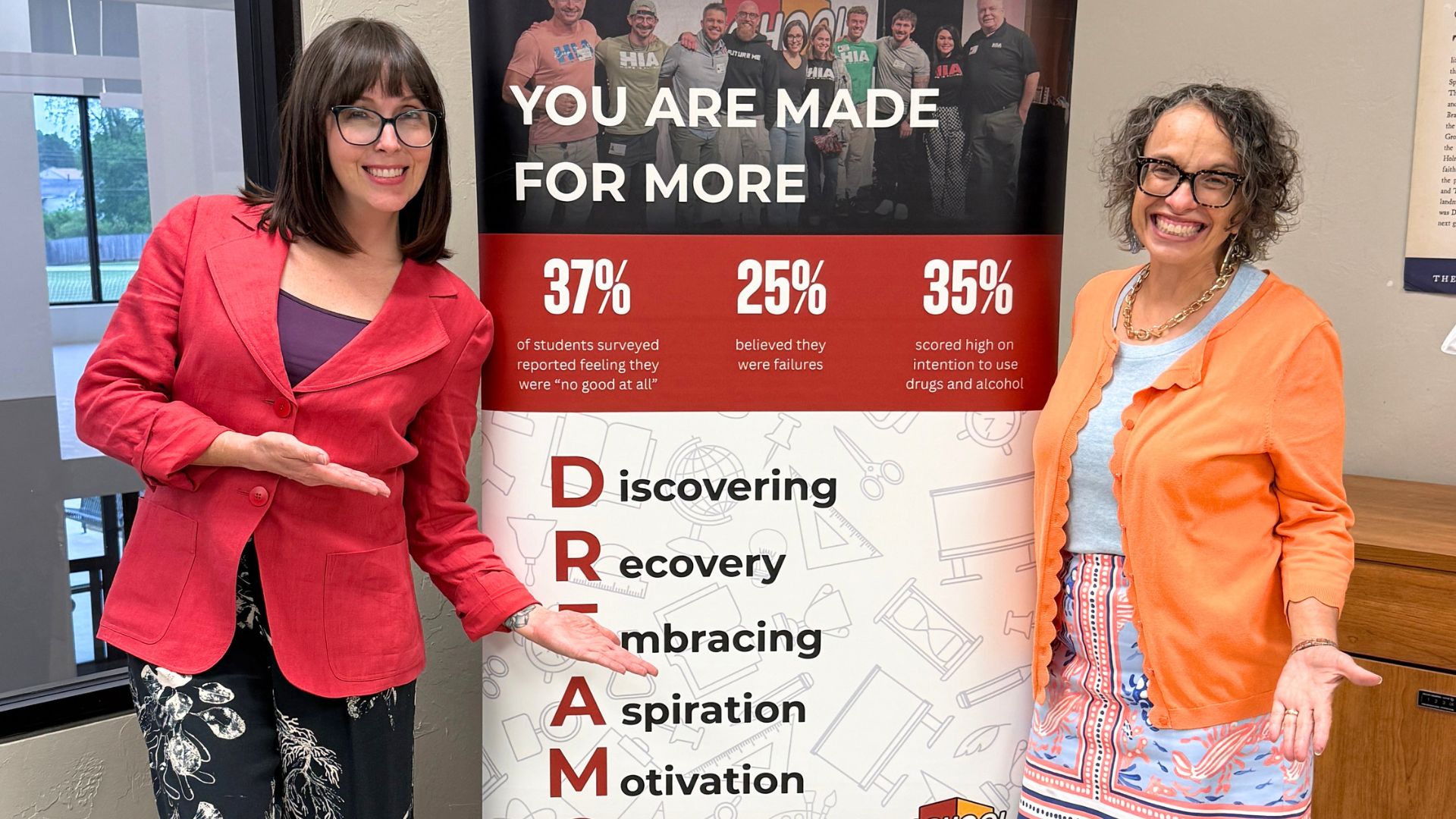
Drug and Alcohol Prevention: Reaching the Next Generation
April was a busy, and impactful, month for the Hope is Alive School Support team. We had the opportunity to partner with schools and community organizations all across the Oklahoma City area, connecting with students, parents, and educators in an attempt to get ahead of addiction.
Through assemblies, lunch hangouts, student engagement, and parent trainings, we opened the door for the next generation to learn more about the stark realities of drug and alcohol use.
We visited campuses all across Oklahoma City, bringing interactive presentations that students could actually connect with. Topics ranged from the Brain Science of Addiction to The Whole Self, Social Media and the Developing Brain, Spiritual Discernment, and The Power of Choices.
These presentations were intentionally designed to educate students on how substances and behaviors impact the brain, while also helping them understand the deeper “why” behind decision-making, including identity, stress, belonging, and emotional regulation. For instance, The Whole Self talk discussed how trauma and core wounds make us believe lies about ourselves, and how we then wear masks to cope.
Because not everyone responds well to a lecture, we also connected with students on a more personal level through lunch hangouts.
At our lunch hangouts, we created smaller, relational environments where students could process what they learned, ask questions, and practice real-life application of skills such as refusal strategies, coping skills, and navigating peer pressure — all of which are proven to be effective in preventing drug and alcohol use in teenagers.
Educating parents has also proven to be effective in preventing drug and alcohol use in teenagers. So, we hosted sessions focused on practical strategies to help parents navigate conversations around peer pressure, substance use, emotional regulation, and warning signs, while also encouraging stronger family connection and communication.
Our Addiction Prevention Mission
Across all settings, our approach remained rooted in the School Support mission to educate, inspire, and activate.
We educated by providing evidence informed age-appropriate information that increased understanding of risk and protective factors.
We inspired by speaking to students’ identity, worth, and purpose, helping them see their value and future beyond harmful choices.
And we activated by equipping them with practical tools, skills, and real-life scenarios so they can confidently apply what they’ve learned in everyday situations.
By engaging students, parents, and school staff across multiple environments, we are helping cultivate school communities where students feel supported, empowered, and equipped to make healthy choices, ultimately working toward our vision of a future where drugs and alcohol are no longer appealing because young people are secure in who they are and where they are going.
In April, an astounding 1,800 individuals were reached through our programming.
April School Support Events Completed
- Mid-Del District – Parent Training
Topic: Peer Pressure & Coping Skills - Mount St. Mary Catholic School – Lunch Hangout
Topic: Lunch Hang Talk - Trinity at Edgemere – Assembly
Topic: Peer Pressure - Christian Heritage Academy – Assembly
Topic: Spiritual Discernment - Christian Heritage Academy – Lunch Hangout
Topic: Spiritual Discernment - Christian Heritage Academy – Parent Training
Topic: See Something, Say Something - Rejoice Christian School – Assembly
Topic: Whole Self - Oklahoma Christian Academy – Assembly
Topic: Social Media & the Brain - Southern Nazarene University – Assembly
Topic: Neuroscience of Addiction - Heritage Hall – Assembly 5th-8th
Topic: Brain Science - Edmond Memorial High School – Assembly
Topic: Whole Self & Coping Skills