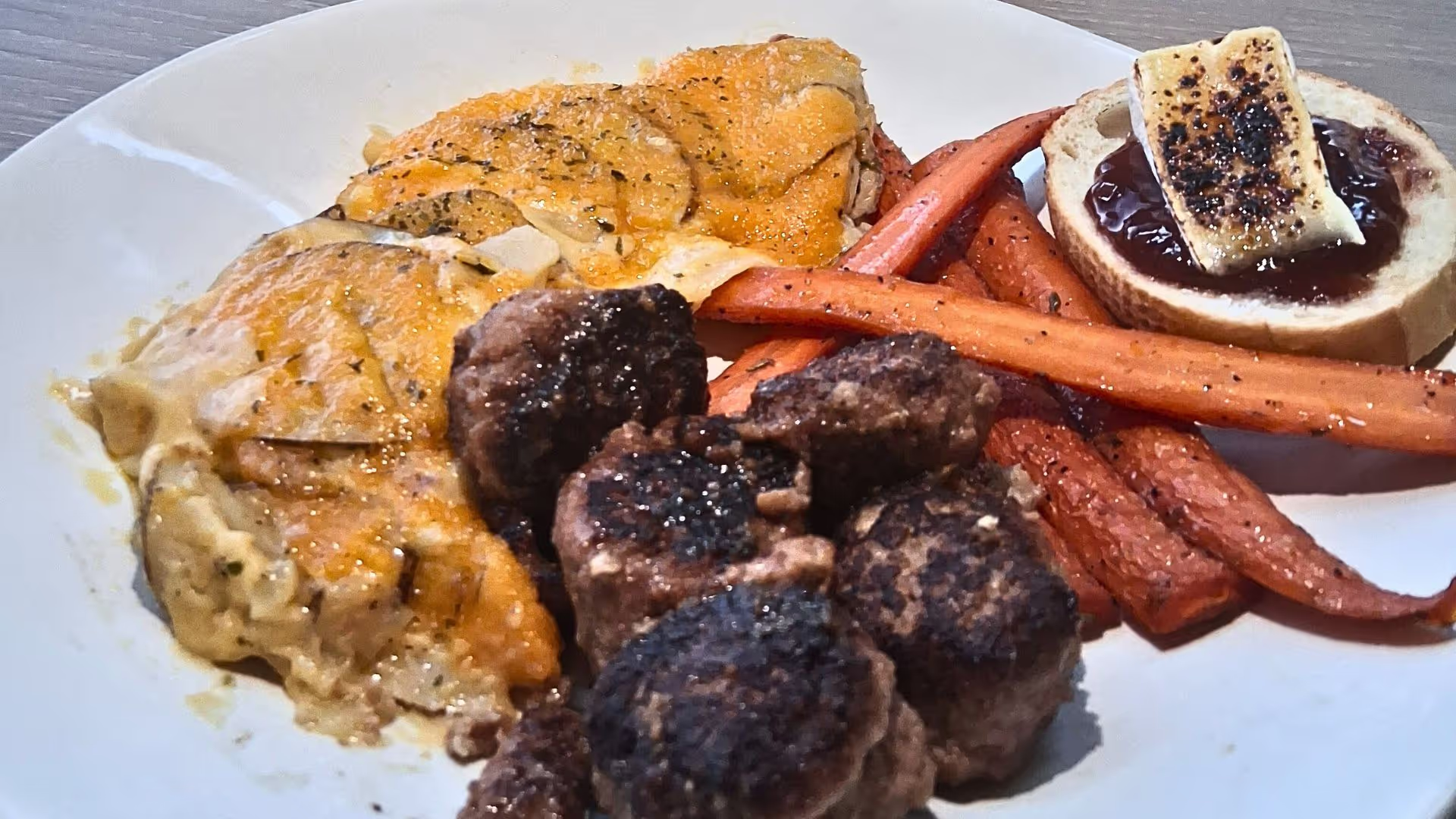
A Hope is Alive Holiday Meal Inspired by The Healing Center
At Hope is Alive, the holidays aren’t just a season — they’re a feeling. They’re the smell of something warm drifting through the kitchen, the sound of laughter around a crowded table, and the comfort of knowing you belong somewhere. They remind us why community matters and why gathering around a meal can be such a powerful part of healing.
That same spirit is woven into The Healing Center, a key part of our Hope is Alive family. The Healing Center is HIA’s upcoming addiction recovery center — a place built around the belief that healing happens when we care for the whole person.
Because food is such an important part of whole-person healing, this holiday meal was inspired by the principles that will guide The Healing Center. The Healing Center’s executive chef, Elijah Summers, has thoughtfully crafted this menu to reflect the kind of nourishment clients will experience at The Healing Center.
Appetizer: Cranberry-Glazed Meatballs
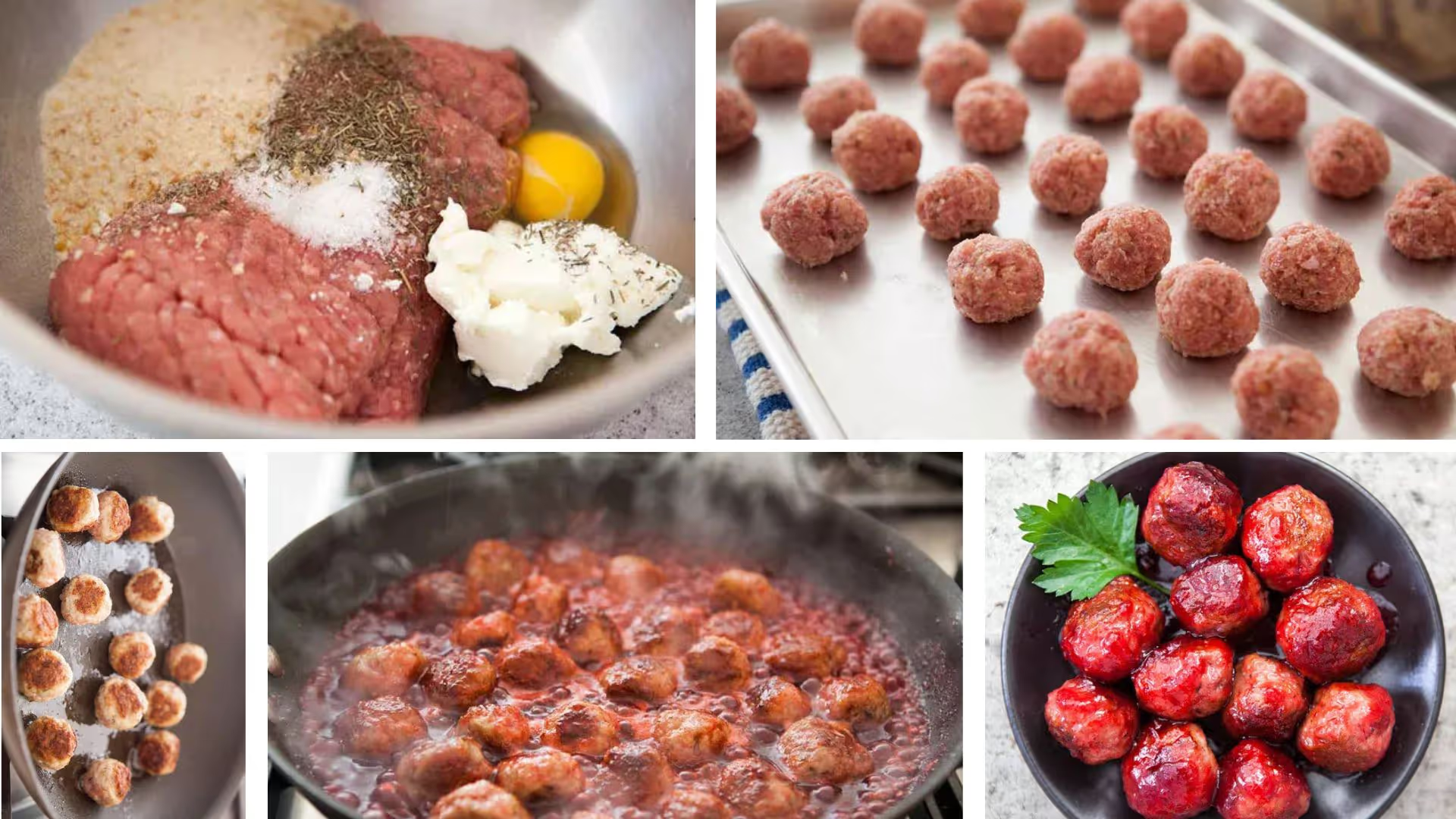
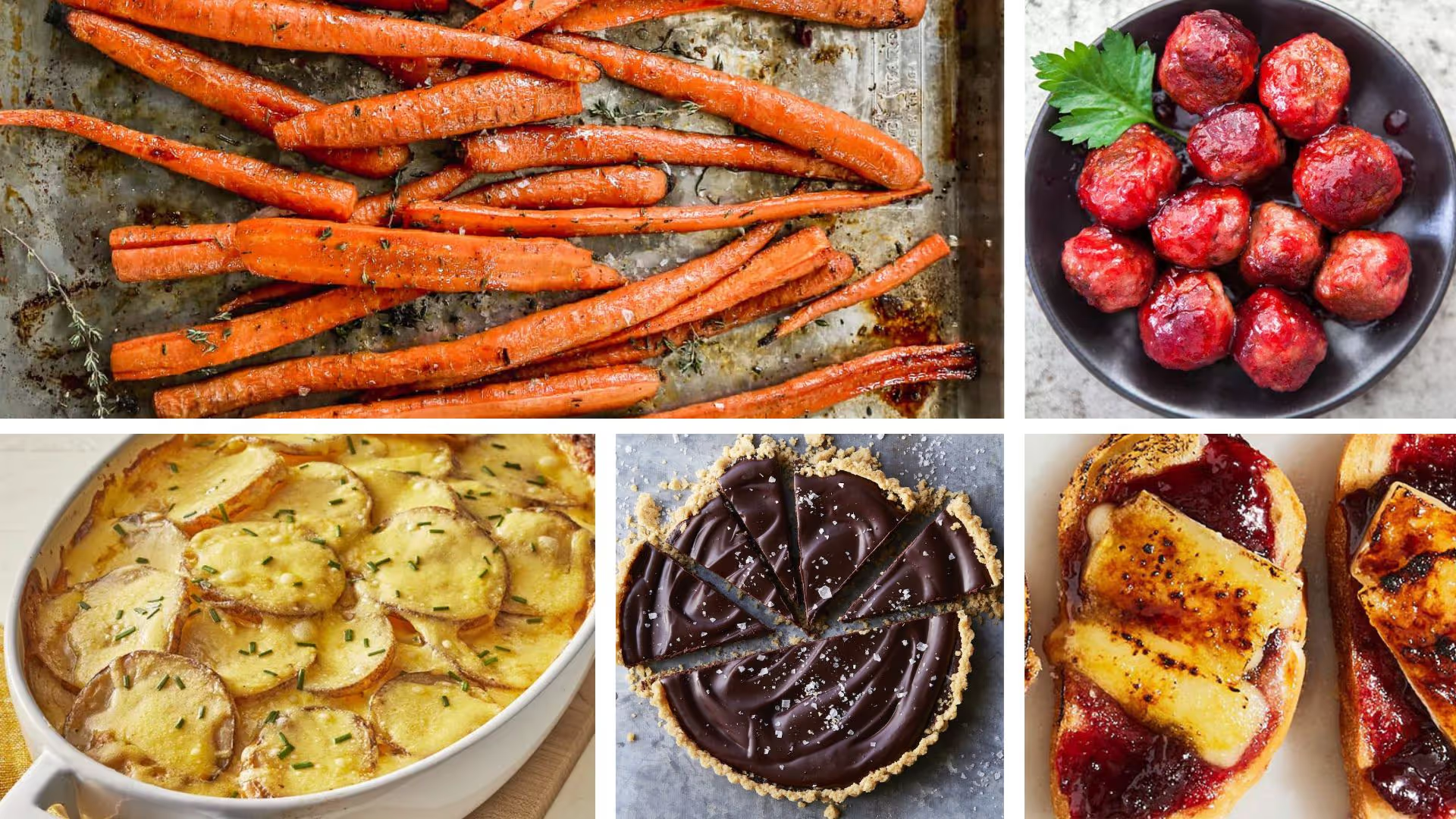
If you’re looking for a holiday appetizer that feels nostalgic and a little chef-y, these Cranberry-Glazed Meatballs hit the sweet spot — literally. A glossy, ruby-red cranberry glaze made with fresh berries, orange zest, ginger, and a whisper of cayenne transforms simple turkey meatballs into a crowd-pleasing bite that looks as stunning on the platter as it tastes.
While these meatballs are definitely party food, there are several intentional choices that make them more balanced than typical holiday appetizers.
Using ground turkey instead of fattier ground beef or pork:
Lowers saturated fat, which can be helpful given how rich the rest of the holiday menu usually is.
Provides high-quality protein, which supports satiety and helps steady blood sugar when eaten with the sweet glaze.
Delivers B vitamins (like niacin and B6) and selenium, important for energy metabolism and cellular protection.
The ricotta, egg, and bread mixture (a kind of panade) makes the meatballs tender while adding:
Calcium and protein from the ricotta.
A small amount of carbohydrates from the bread to balance the protein and give a pleasant texture.
The cranberry glaze isn’t just sugar:
Cranberries are rich in polyphenols and antioxidants, which have been studied for supporting urinary tract health and modulating inflammation and oxidative stress.
Orange zest brings vitamin C and additional flavonoids.
Ginger may support digestion and has its own anti-inflammatory properties.
Cayenne provides a little capsaicin, which can gently boost circulation and metabolism in small amounts.
On its own, this recipe isn’t a probiotic powerhouse. But it does include ingredients that can play a supportive role for gut health, especially as part of a diverse holiday spread.
The polyphenols from the cranberries and orange zest often reach the colon partially undigested, meaning they can serve as substrates for gut bacteria, which break them down into beneficial metabolites. These metabolites (like certain short-chain fatty acids and other compounds) not only help support the gut barrier but also influence inflammation and immune function in a positive way.
Additionally, this recipe contains several spices that support digestion. Ginger in particular is traditionally used to support digestive comfort and mild inflammation as well as reduce nausea. Cayenne (in small amounts) can stimulate digestive secretions and circulation.
While these are subtle effects in appetizer-sized portions, they are still important health benefits that will be considered in every facet of The Healing Center’s clients’ diets because of how impactful they can be for recovery and overall wellness.
From a microbiome and metabolic perspective, starting a holiday meal with protein, spices, and polyphenol-rich glaze is typically better than:
Crackers and just cheese
Breads and creamy dips
Purely sugary starters
So, are you ready to give these Cranberry Glazed Meatballs a try?
Ingredients
For the cranberry glaze
1 cup sugar
1 cup water
1 (12-ounce) bag fresh or frozen cranberries (no need to defrost)
1 pinch salt
1 teaspoon finely grated orange zest
1 teaspoon minced ginger
2 teaspoons apple cider vinegar or white vinegar
1/8 to 1/4 teaspoon cayenne, to taste
For the meatballs
2 large slices white bread, crusts removed, bread torn into small pieces (approximately 1 cup, packed or 2 ounces of bread, can sub 1/2 cup of plain breadcrumbs)
2 tablespoons milk
Generous 1/4 cup ricotta cheese
1 large egg
1 1/4 pounds ground turkey
1 teaspoon kosher salt
1 1/2 teaspoons dried thyme
1 scant teaspoon fennel seeds
Flour for dusting, optional
2 tablespoons vegetable oil, or as needed
Cooking Instructions
Make the cranberry glaze:
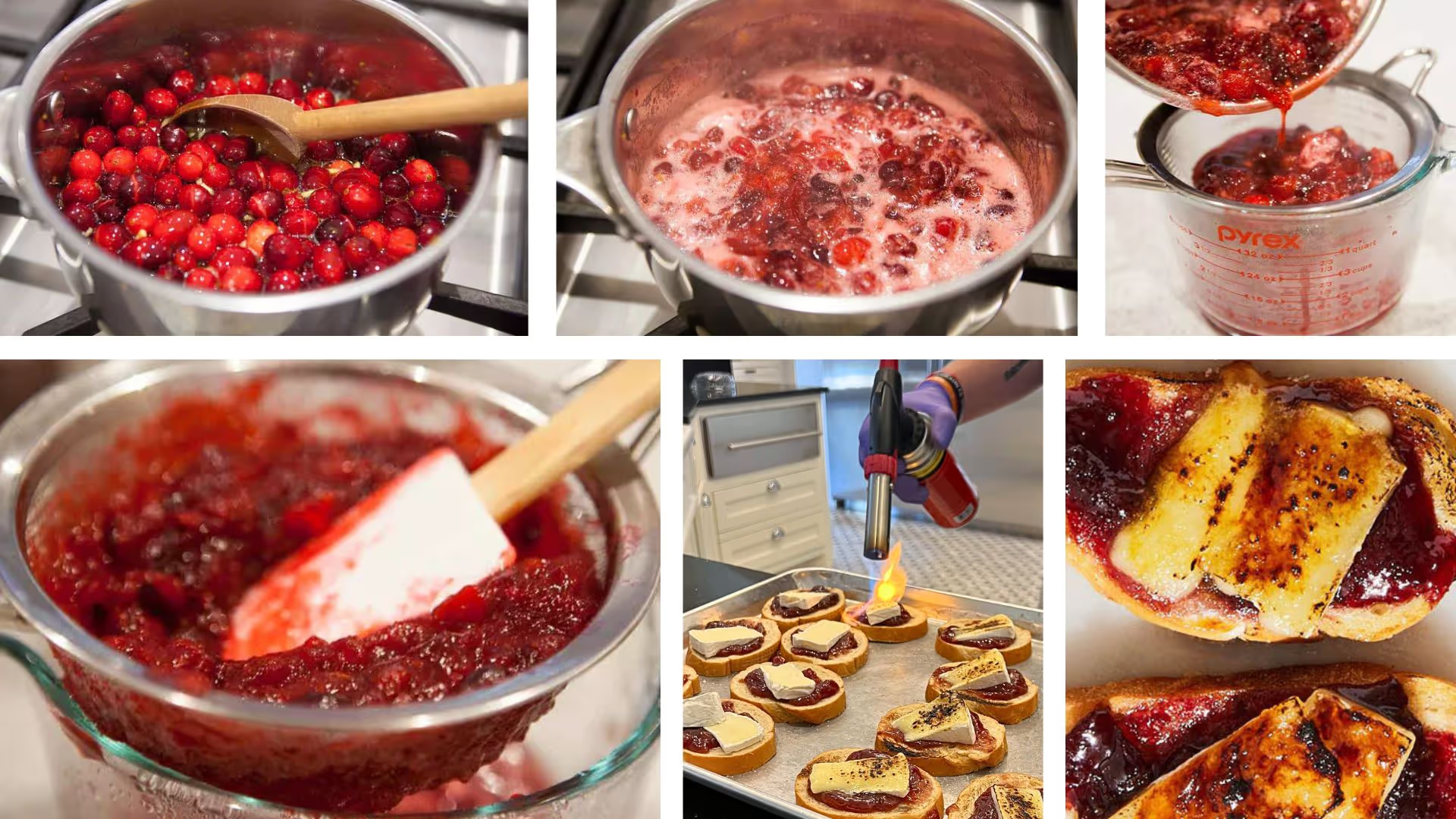
Mix all of the glaze ingredients except the cayenne in a small pot. Mix well and simmer until most of the berries have burst, about 15 minutes.
Strain the mixture through a fine mesh strainer into a bowl, pressing the cranberry mush against the strainer with the side of a rubber spatula (be sure to scrape the outside of the sieve with the spatula). Add cayenne to taste.
Prepare the meatballs:
While the cranberries are cooking, prepare the meatballs.
In a small bowl, add the torn bread and sprinkle it with the milk. Use a fork to pulverize the bread a bit.
In a large bowl, use the same fork to whisk together the ricotta and the egg until smooth. Add the ground turkey, salt, thyme, fennel seeds, and milk-sprinkled bread.
Gently mix with your (clean) hands until the ingredients are all incorporated. Don't overwork the meatball mixture or the meatballs will become too dense.
Gently roll the meatball mixture in balls about 1 inch wide with the palms of your hands and set them on a baking sheet or large plate.
Heat the oil in a wide sauté pan on medium heat. Working in batches, add the meatballs, taking care not to crowd the pan, and brown them all over. Use a fork to gently nudge the meatballs, turning them.
Note that the meatballs will probably be a bit on the wet side, which may cause some splattering as you cook them in the oil. To reduce that, you may want to sprinkle some flour on the meatballs or roll them in flour, before they go in the pan. Add more oil to the pan as needed.
Finish and serve:
Once the meatballs are browned and the glaze has been strained, add the glaze to the pan with the meatballs. Let simmer, uncovered, until the glaze reduces a bit and the meatballs cook through, about 5 minutes.
If the glaze during this process is too thick, add a little water. If too thin, let it simmer a little longer. Remove the meatballs to a serving dish and pour any remaining cranberry glaze from the pan over top.
Serve and enjoy!
Appetizer: Brûléed Brie Crostini
Built on crisp, buttery baguette slices, each bite of this delicious appetizer layers creamy brie and jewel-toned cherry jam under a glassy, caramelized sugar top. It’s everything people love about baked brie at Christmas gatherings, reimagined as a one-handed, pass-around bite.
While this appetizer feels indulgent, there are several thoughtful nutritional upsides packed into each bite.
Brie provides:
Protein, which helps with satiety and slows the absorption of sugars from the jam and caramelized sugar.
Calcium and phosphorus, which support bone health.
Some vitamin B12, which is important for nerve function and red blood cell formation.
In appetizer portions, the fat in brie also helps guests feel satisfied with a few bites rather than overloading on heavier dishes later.
Cherries, especially tart or dark sweet varieties, are rich in:
Anthocyanins and other polyphenols, which act as antioxidants.
Compounds that have been studied for supporting heart health and helping regulate inflammation and oxidative stress.
If the chef uses a whole-grain or partially whole-grain baguette, it adds:
Fiber, which supports digestion and helps moderate blood sugar response.
Complex carbohydrates for a gentle energy boost at the start of the meal.
This appetizer isn’t a “gut health” dish in the typical yogurt-and-kombucha sense, but it can still support the gut microbiome.
Brie is a soft-ripened cheese, and its rind is formed by molds used in cheesemaking (such as Penicillium species). These aren’t the same as the classic live-culture probiotics in yogurt, but traditional aged cheeses can contain beneficial or neutral microbes that contribute to microbial diversity when eaten as part of a varied diet, and the fats in cheese can help carry fat-soluble nutrients that support overall health.
Additionally, the polyphenols in cherries may act as prebiotic-like compounds. Many polyphenols aren’t fully digested in the small intestine and reach the colon, where gut bacteria help break them down. In return, bacteria can produce beneficial metabolites (like short-chain fatty acids) that help maintain the gut lining and support a healthy immune response.
Plus, it tastes good! It can’t get any better than that!
Ingredients
1 baguette, cut into 1/2"-thick slices
2 tablespoons unsalted butter, softened
3/4 cup cherry jam
1 (8-ounce) wheel brie, cut into 1/3"-thick pieces
1/4 cup granulated sugar
Cooking Instructions
Preheat the oven to 400 degrees Fahrenheit. Spread bread with a thin layer of butter and arrange on a baking sheet.
Bake bread until toasted and golden, 10 to 12 minutes. Let cool for 5 minutes.
Spread toast with jam. Place a slice of brie on top, trimming to fit as needed. Sprinkle brie with 1 scant tablespoon granulated sugar.
Using a kitchen torch, caramelize sugar.
Serve and enjoy!
Side Dish: Balsamic Roasted Carrots
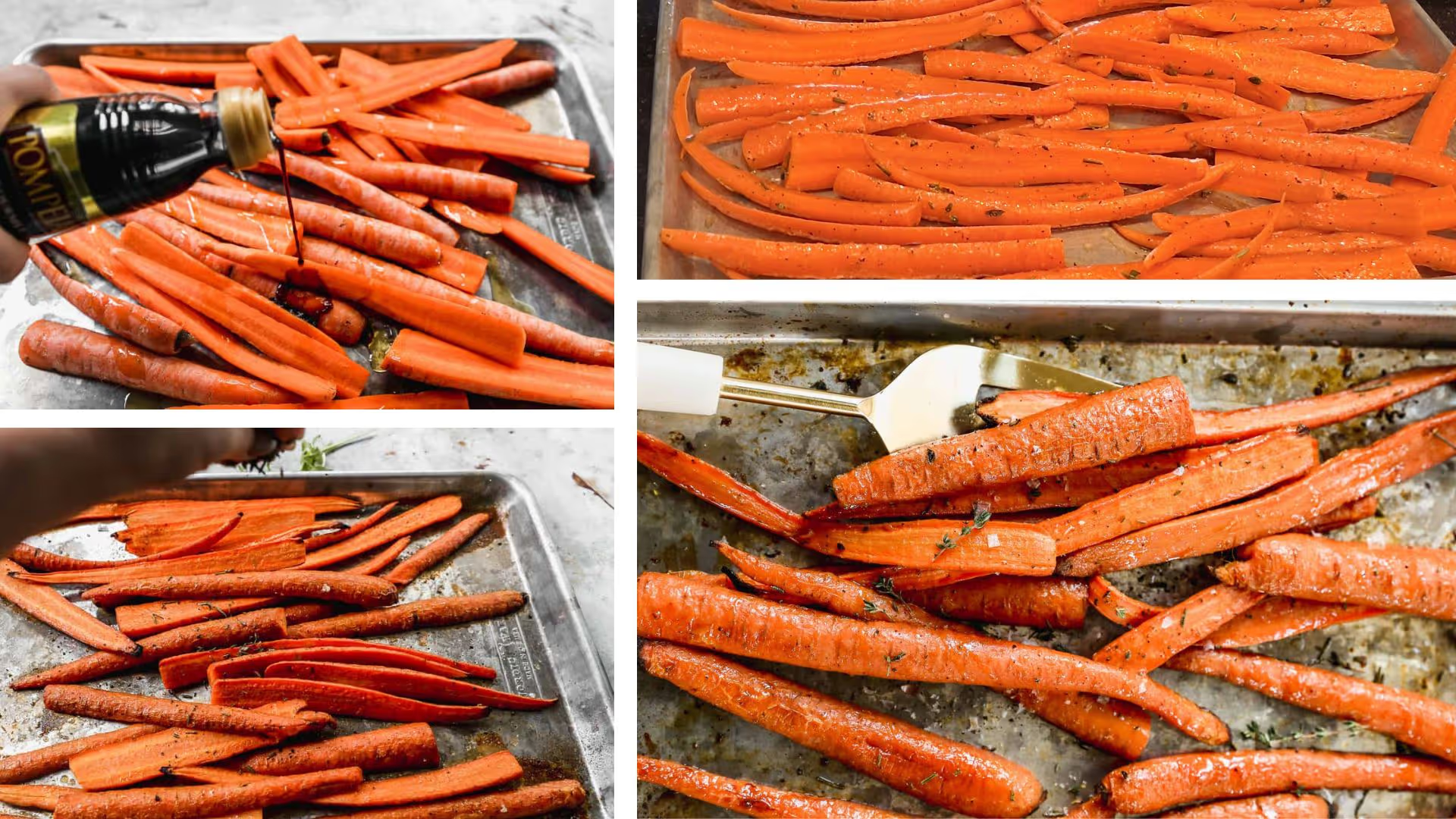
These Balsamic Roasted Carrots will bring color to your Christmas table with almost no extra effort. Whole carrots are halved and roasted at high heat with olive oil, balsamic vinegar, and a touch of honey until tender and caramelized, then finished with fresh rosemary and thyme. The result is a side dish that tastes as festive as it looks — and is healthier than you would ever imagine.
Even if the honey drizzle is modest, roasting concentrates the carrots’ natural sweetness without adding a lot of sugar, making this dish one of the more nutrient-dense, “everyday healthy” dishes on a typical Christmas menu.
For starters, rosemary and thyme contribute more than aroma. They contain polyphenols and antioxidants that may help fight oxidative stress in the body. These herbs also add intensity of flavor without extra salt, keeping the dish flavorful but not sodium-heavy. Additionally, balsamic vinegar adds acidity and depth with very modest calories.
That’s not to mention the other health benefits…
Carrots are rich in:
Beta-carotene, which the body converts to vitamin A, supporting vision, immune function, and skin health.
Fiber, especially when eaten in larger, whole pieces, supporting digestion and fullness.
Potassium, which helps with fluid balance and blood pressure.
Using olive or avocado oil instead of butter or heavy cream adds:
Primarily monounsaturated fats, which are associated with heart health when used in place of saturated fats.
Fat that helps the body absorb fat-soluble nutrients like beta-carotene from the carrots.
Needless to say, this is one of the more gut-friendly sides on a holiday table.
The combination of carrots, rosemary, thyme, and balsamic vinegar (from grapes) adds a variety of plant compounds and polyphenols to the meal — which gut bacteria thrive on.
Ingredients
2 pounds carrots, whole, washed
1 Tablespoons olive oil or avocado oil
1 teaspoon kosher salt
¼ teaspoon freshly ground black pepper or more to taste
1 ½ Tablespoons balsamic vinegar, plain or flavor infused honey
1 teaspoon fresh rosemary, chopped
½ teaspoon dried thyme or 2 sprigs fresh thyme leaves, leaves removed
Cooking Instructions
Preheat the oven to 425 degrees Fahrenheit.
Remove stem from carrots and slice in half, lengthwise.
Arrange carrots on a baking sheet and toss with oil, balsamic vinegar, a drizzle of honey, and salt and pepper.
Roast for about 20 minutes, then remove from the oven.
Turn carrots, making sure to coat in remaining drippings, drizzle a little more honey, rosemary and thyme over the top and toss to coat. Use a paper towel to soak up any residual fluids on the bottom of the pan, allowing the carrots to roast instead of steam. Return to the oven for 20-30 more minutes, or until tender and caramelized.
Serve and enjoy!
Side Dish: Creamy au Gratin Potatoes
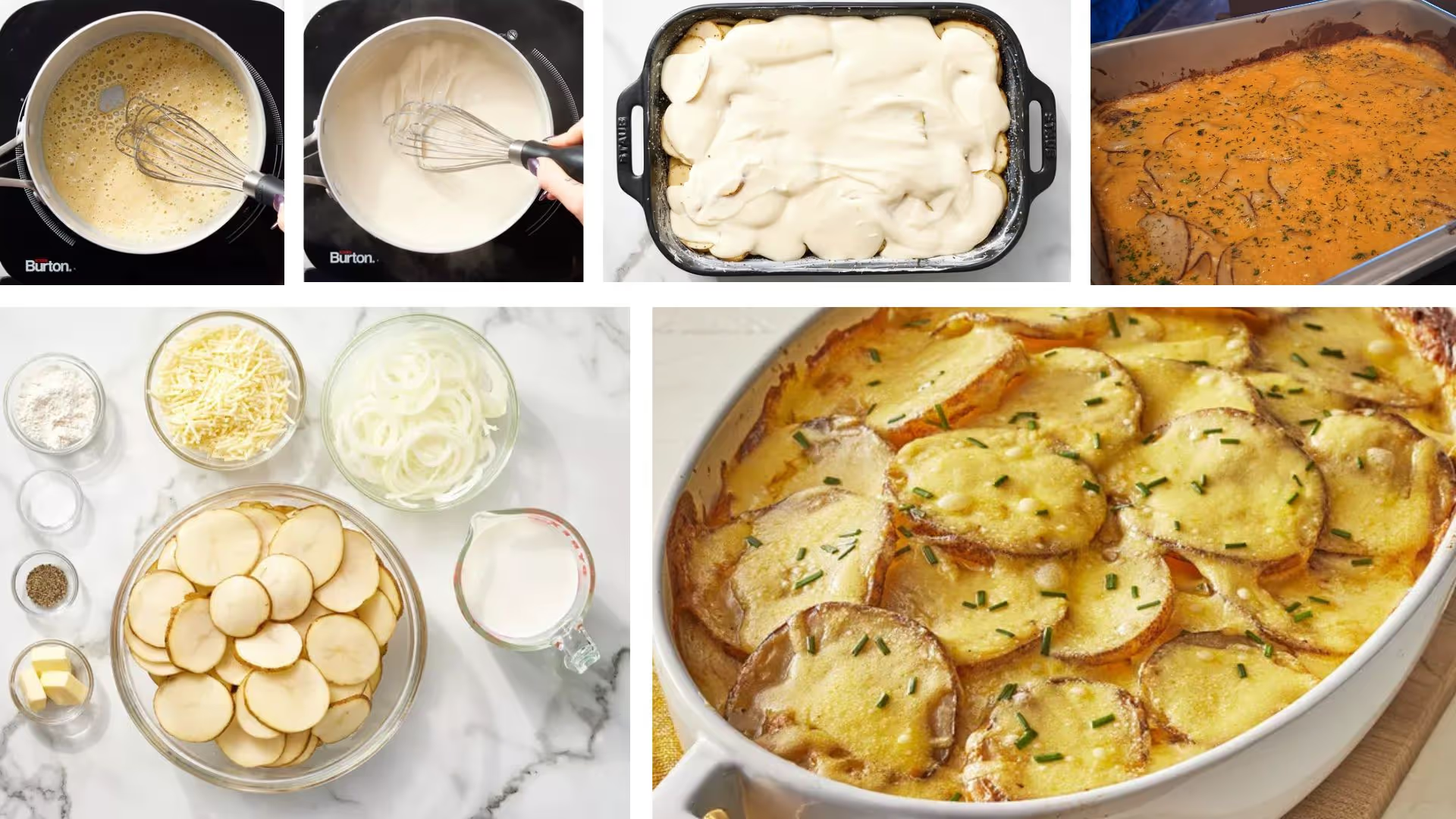
Our chef chose Creamy Au Gratin Potatoes as a Christmas side because it delivers exactly what guests crave on a winter holiday: layers of tender potatoes, sweet onion, and velvety cheddar sauce baked until bubbling and golden at the edges.
Beneath its comfort-food exterior, this classic casserole offers quite a few nutritional perks.
Russet potatoes provide:
Complex carbohydrates, which are a primary energy source (nice for a long holiday day).
Potassium, which helps support healthy blood pressure and fluid balance.
Vitamin C.
Some fiber, especially if you leave the skins on or use thin-skinned potatoes (even if this recipe peels them, the base ingredient is a whole food, not a refined starch).
Onions contain:
Prebiotic fibers like inulin and fructooligosaccharides (FOS). These fibers help feed beneficial gut bacteria, even in small amounts.
Antioxidant compounds (like quercetin) that support overall health.
The cheddar cheese and milk-based sauce contribute:
Protein, which helps stabilize blood sugar and keeps you feeling fuller.
Calcium and phosphorus for bone and tooth health.
Vitamin B12 from dairy, which is important for nerve function and red blood cell production.
Fat, which makes the dish satisfying, so a smaller serving can still feel indulgent.
Is this a “gut health” dish by itself? Not really. But in the context of a holiday meal, it can still fit into a gut-friendly pattern because of the benefits of the onions and the fermented dairy.
Onions are one of the classic foods that contain prebiotic fibers, special types of carbohydrates humans don’t fully digest but gut bacteria love. Those bacteria ferment the fibers and produce short-chain fatty acids (SCFAs) like butyrate, which help support the integrity of the gut lining, modulate inflammation, and provide energy to colon cells. Even though the onions are a smaller component, every bit of prebiotic fiber adds up over the course of a day.
Cheddar is a fermented dairy product. While it doesn’t usually contain the same level of live cultures as yogurt or kefir, traditionally made cheeses can contain beneficial or neutral bacteria from the fermentation process.
Ingredients
4 medium russet potatoes, thinly sliced
1 medium onion, sliced into rings
salt and ground black pepper to taste
3 tablespoons butter
3 tablespoons all-purpose flour
½ teaspoon salt
2 cups milk
1 ½ cups shredded Cheddar cheese
Cooking Instructions
Preheat the oven to 400 degrees Fahrenheit.
Grease a 2-quart casserole dish with butter.
Layer 1/2 of the potatoes in the bottom of the prepared casserole dish; season with salt and pepper.
Layer onion slices over top, then top with remaining potatoes. Season again with salt and pepper.
Melt butter in a medium saucepan over medium heat. Whisk in flour and salt; cook, whisking constantly, until raw flour flavor has cooked off, about 1 minute.
Gradually add milk, about 1/4 cup at a time, whisking well after each addition to incorporate; the gradual addition and whisking of milk will help avoid lumps in your sauce.
Cook, whisking constantly, until the mixture has thickened, 3 to 5 minutes.
Stir in cheese all at once; cook, stirring constantly, until melted, 30 to 60 seconds.
Pour cheese sauce over the potatoes, and cover the dish with aluminum foil.
Bake until potatoes are tender and sauce is bubbly, about 1 ½ hours.
Serve and enjoy!
Dessert: Salted Chocolate Tart with Kettle Chip Crust
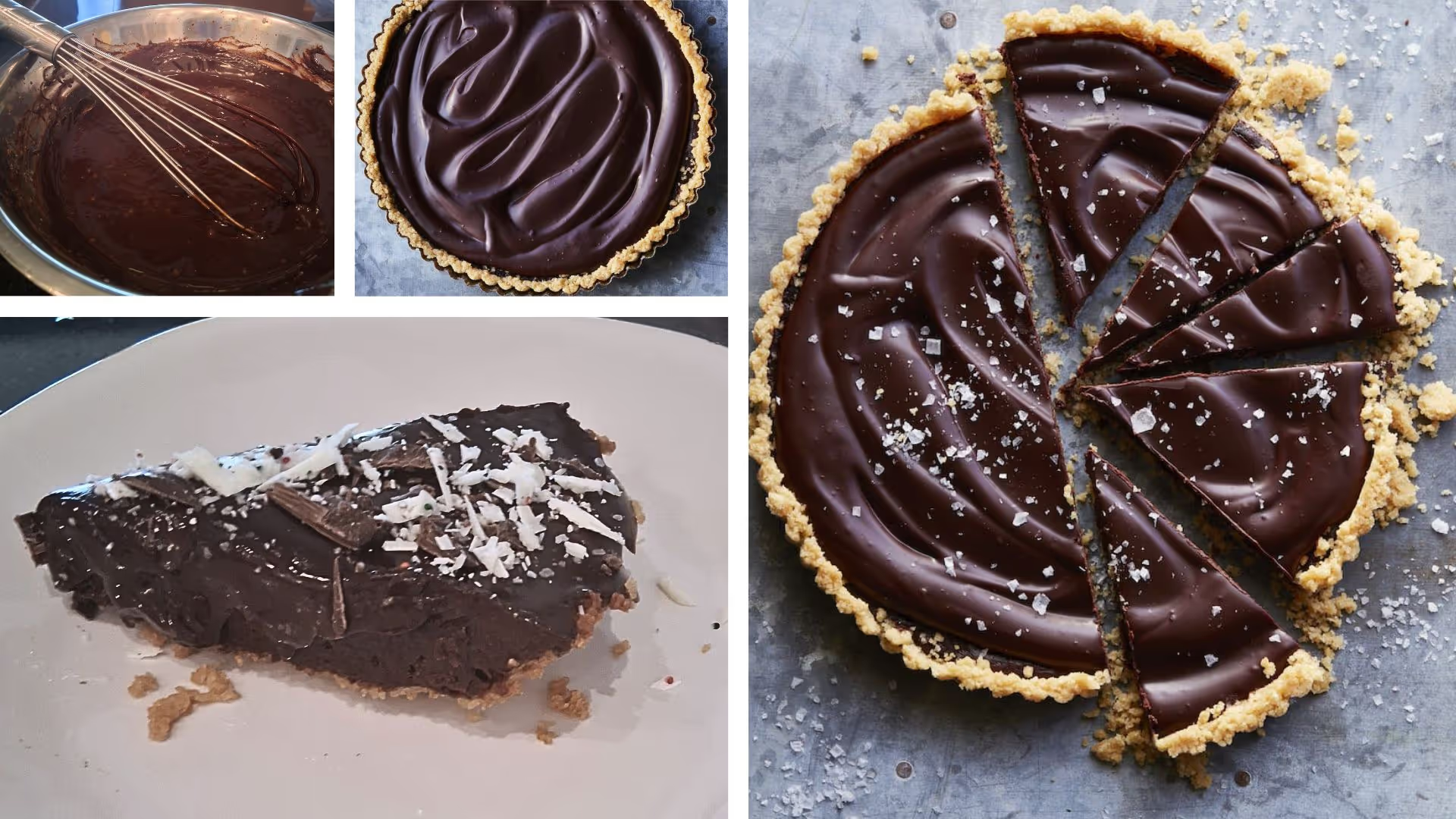
This Salted Chocolate Tart with a Kettle Chip Crust is the dessert your holiday table has been waiting for. With its buttery crust made from sea salt kettle chips that cradles a baked semisweet chocolate filling, all crowned with a glossy layer of bittersweet ganache and a final shower of flaky sea salt, this dessert is the perfect blend of sweet and savory.
The kettle chip crust is the hook. Instead of a traditional cookie or pastry base, you get crunchy, salty, buttery chips pressed into a crust that contrasts silky chocolate layers. That salty edge makes the dark chocolate filling and ganache taste more chocolatey, using the same principle as salted caramel or chocolate-covered pretzels.
This is absolutely a treat, not a “healthy” dessert. However, there are elements that affect how your body handles it.
Using semisweet and bittersweet chocolate instead of milk chocolate increases the consumption of polyphenols (antioxidant compounds found in cocoa). Cocoa polyphenols have been studied for potential benefits related to vascular health and modulating oxidative stress and inflammation.
Plus, using semisweet and bittersweet chocolate also give the dessert a deeper flavor that allows the chef to rely more on cocoa intensity and less on added sugar for impact.
Between the heavy cream, eggs, butter, and chocolate itself, you also get a decent amount of fat and a bit of protein. While this makes the tart rich, it also slows gastric emptying (how quickly food leaves your stomach) and helps blunt the sharpest spikes in blood sugar you’d see from a sugary, low-fat dessert.
When eaten after a balanced meal with fiber, protein, and veggies, this kind of dessert fits more comfortably into the body’s metabolic rhythm than, say, a few cookies eaten on an empty stomach.
While no one pretends this is a gut-health superfood, even a decadent dessert can be part of a microbiome-friendly lifestyle when the bigger picture is right.
Cocoa contains polyphenols that are not fully absorbed in the small intestine, instead travelling to the colon, where gut bacteria help break them down. In return, these bacteria produce beneficial metabolites that may support gut barrier function and lower inflammation and potentially encourage the growth of certain helpful bacterial species.
From a real-world perspective, allowing for intentional, enjoyable desserts can reduce cycles of restriction and overeating. A stable, sustainable way of eating where most meals are fiber- and plant-rich, with occasional, satisfying treats tends to support a more stable gut environment over time.
Ingredients
For the Potato Chip Crust
8 ½ ounces Kettle Chips Sea Salt flavor (that's 1 bag worth)
5 tablespoons unsalted butter melted
¼ cup all purpose flour
For the Chocolate Filling
¼ cups heavy cream
10 ounces semisweet chocolate chips
2 large eggs
1 teaspoon vanilla extract
⅛ teaspoon salt
For the Chocolate Ganache topping
8 ounces bittersweet chocolate chips
1 cup heavy cream
Cooking Instructions
For the Kettle Chip Crust
Preheat oven to 350 degrees.
In a food processor, pulse the potato chips until they are finely ground. Add the melted butter and flour and pulse for 30 seconds to combine.
Press the potato chip crust into the bottom and sides of a 9-inch tart pan.
Transfer to the pre-heated oven and bake for 12 minutes.
Remove from the oven and set aside to cool.
For the Chocolate Filling
Combine the cream and chocolate chips in a medium pot over medium heat and warm the cream until the chocolate starts to melt. Whisk these 2 ingredients together until completely smooth. Add the eggs, vanilla and salt and continue to whisk until smooth over medium heat.
Once smooth, remove the pot from the heat and pour the Chocolate Filling mixture into the cooled tart shell and place it back into the oven and bake for 22-25 minutes.
Remove it from the oven and let cool for 30 minutes.
For the Chocolate Ganache topping
Heat the cream in a small saucepan and add the chocolate. Whisk together over medium heat until the mixture is smooth and all the chocolate has melted.
Pour this mixture over the middle of the chocolate tart and use an offset spatula to spread it around in a swoopy motion.
Let the entire tart chill in the refrigerator until cold.
Dust with flaky sea salt before slicing and serving.
A Holiday Meal Inspired by The Healing Center
At Hope is Alive, we believe healing happens in the everyday moments, including around kitchen tables. This holiday menu, inspired by the future heart of The Healing Center, reflects exactly that.
This is the kind of care our clients will experience inside The Healing Center. Thoughtful. Restorative. Whole-person focused. The same heart that goes into a holiday meal will go into every moment of their recovery.
As you gather with the people you love this season, we hope these recipes spark conversations, create memories, and remind you of the hope that is alive in all of us.
By clicking “Accept All Cookies”, you agree to the storing of cookies on your device to enhance site navigation, analyze site usage, and assist in our marketing efforts. View our Privacy Policy for more information.