Articles & Resources
Explore articles and resources designed to bring encouragement, insight, and hope for every step of the recovery journey.
Finding Hope Podcast: Refilling Your Wellness Tank

In this episode, Hope is Alive's Family Support Group's team talks about what self-care truly means. Not the version culture promotes, but the kind that sustains your mental, emotional, spiritual, and physical health. They discuss recognizing when your wellness tank is full, half-full, or empty, and practical ways to refill it through boundaries, self-awareness, and healthy habits.
For more information, visit:
Your Loved One's Sober, Now What?
Your Loved One's Sober, Now What?
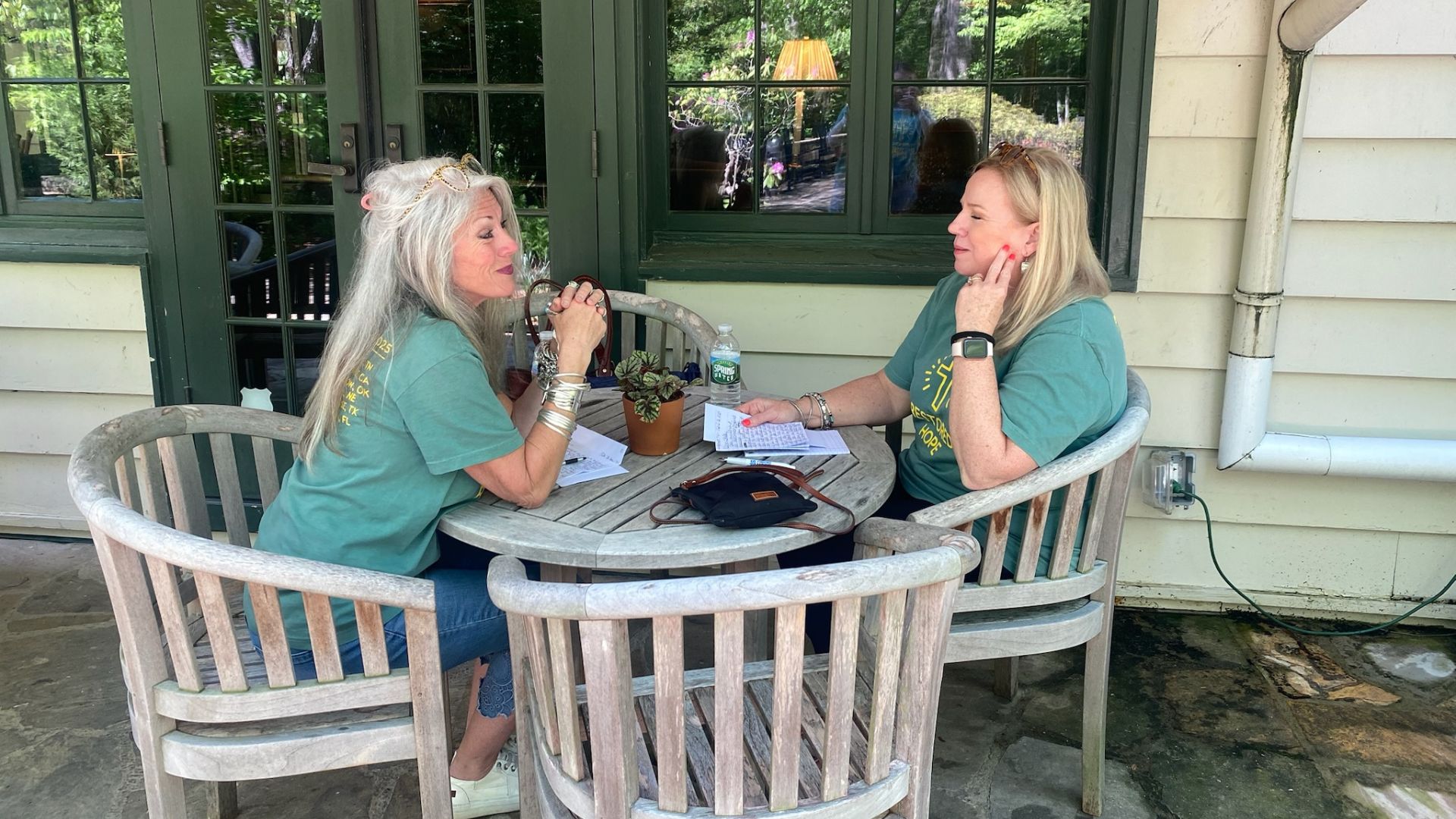
You have prayed. You have cried. You have hoped for this moment. Maybe your loved one is finally sober, or maybe you are still waiting and believing for that day to come. Either way, it is important to understand what sobriety really means and what you can expect moving forward.
Early on, I believed treatment would “fix” my husband. But I quickly learned that his addiction is a brain disease that he would have to fight every single day, and that treatment wasn’t a “fix it solution”, but a journey and road to recovery for both of us.
Once your loved one seeks recovery, it is important to have those tough conversations. Some questions to ask are:
- “How can I support you?"
- “How can I check in with you?"
- “What does your recovery plan look like?"
- “If I feel like you are slipping, how can I approach you about it."
Having these tough conversations, and being willing to listen and not give advice, can help both of you rebuild trust and have a plan for when you might be triggered or suspect a relapse.
Triggers will happen, and communicating those as well as your boundaries is important for your own recovery. If I feel_____(scared, unsafe, anxious, etc), then I will_____ (leave, lock the door by 9:00, turn my phone on do not disturb). Example: It makes me nervous when I see your truck in our drive before the end of the work day. Can you let me know if you will be home early from work?
Overall, it is very important to stay connected to our Finding Hope community rather than wonder whether your loved one is sober or not. This community needs you and you need them. We all understand the ups and downs of loving someone in recovery.
Here is what other Finding Hope members have learned after their loved one found sobriety:
“This is another process that takes time. They are dealing with a lot and things won’t be easy or quick. We don’t have to feel bad for not trusting them yet, just because they got sober. To encourage, but not micromanage. To love, but not be blind. To not walk on eggshells when we see something going against our knowledge base, just out of fear of us triggering their relapse.”
“Just be happy. Yes, sobriety could be for only a time, but don’t ruin it with ‘what ifs.’ If they sense your anxiety about the bottom falling out, you are not showing your faith in them and their ability to remain sober or with what God’s power can do.”
“I needed to heal from the addiction just as much as my alcoholic needed to get sober. It affects more than just the alcoholic, and while he was working on him, I waited until he was sober to begin to work on myself. I wished I had begun the work long before, while he was still in active addiction.“
Remember: You cannot make them sober, and you cannot keep them sober. Continue surrendering them to God daily. Celebrate today. Hope is choosing to trust God with tomorrow.
“Peace I leave with you; my peace I give to you. Not as the world gives do I give to you. Let not your hearts be troubled, neither let them be afraid.” John 14:27 ESV
For more information, visit:
Faith-based support groups for families of addicts and alcoholics.
Building Stability After Rehab

Building Stability After Rehab
Completing rehab is a major accomplishment — but what comes next?
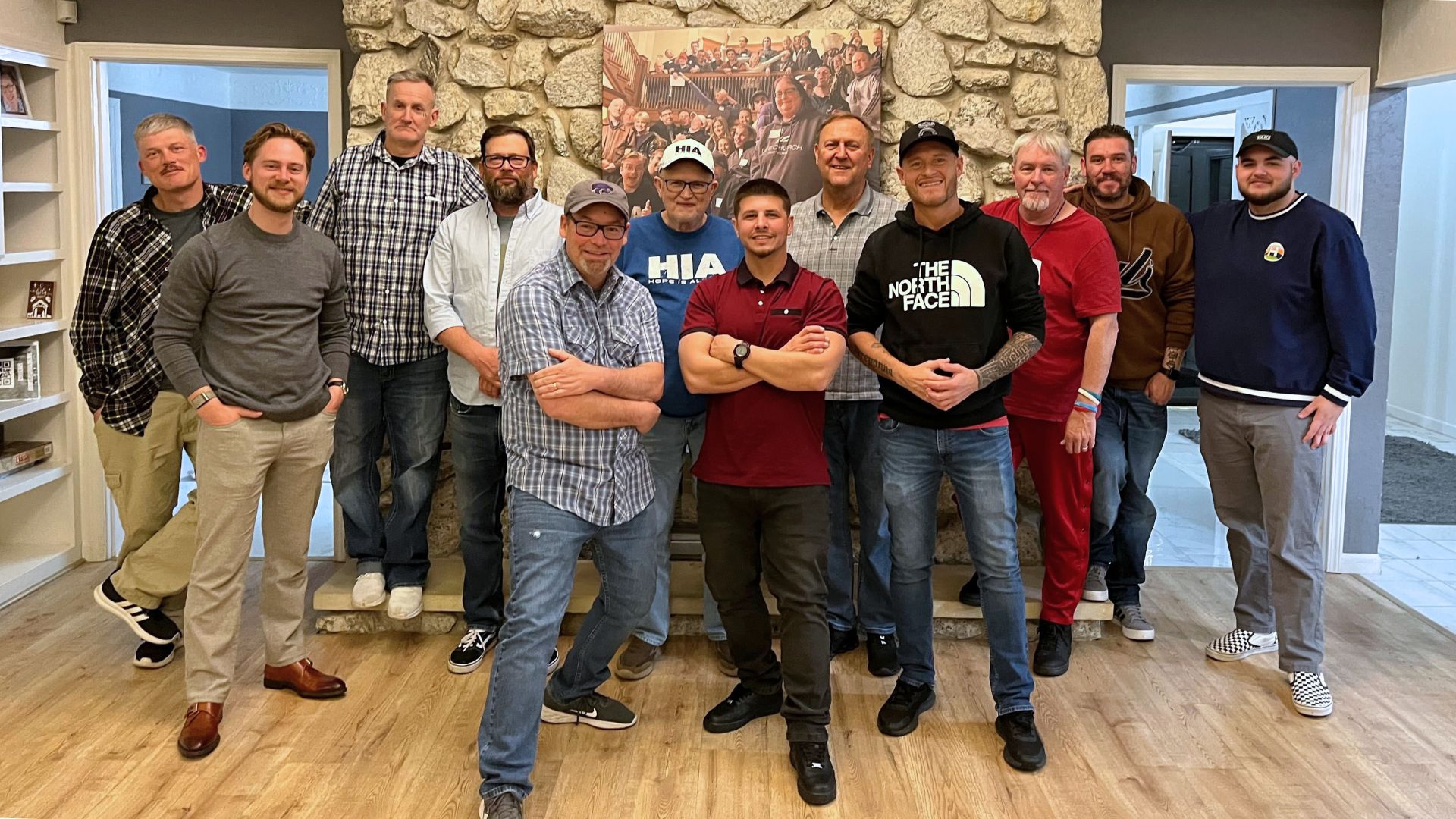
For many individuals, the most vulnerable time in recovery is life after rehab. Without structure and support, old habits are a major risk of relapse. That’s why transitional housing for recovery plays such a critical role in long-term sobriety.
Why Transitional Housing Matters in Long-Term Addiction Recovery
Recovery is not a 30-day process. It’s a lifelong journey. While inpatient programs provide intensive care, transitional housing helps individuals apply what they’ve learned in real-world settings.
A structured sober living program offers:
- Stable, substance-free housing
- Clear guidelines and expectations
- Peer accountability
- Relapse prevention support
- Built-in recovery community
This combination dramatically increases the likelihood of long-term addiction recovery. But not all sober living homes near you provide the same level of structure. At Hope is Alive, our program is intentionally designed to promote responsibility and independence over time.
Residents participate in:
- Daily routines and curfews
- Employment or education goals
- House meetings and peer accountability
- Ongoing recovery support services
- Community engagement
Structure creates stability. Stability builds confidence. Confidence strengthens recovery.
Recovery Done Differently: Hope is Alive
One of the most powerful elements of sober living is the built-in addiction recovery community. Living alongside others who understand the challenges of recovery can make a huge difference in long-term sobriety.
That’s why Hope is Alive creates an environment where friendships can thrive, residents can give back through mentorship, and everyone can learn and grow together through shared experiences, accountability, and positive peer influence.
Hope is Alive also gives residents a community beyond addiction recovery by connecting them to local churches. This connection provides opportunities for spiritual growth, healthy relationships, and a sense of belonging that extends outside the home.
As a faith-based recovery home, Hope is Alive emphasizes identity and purpose. For them, sobriety is about so much more than avoiding substances. Recovery is an opportunity to become the person you were created to be.
Recovery isn’t just about getting clean; it’s about building a life worth living.
Shaped by Grace | Bible Reading Plan
.jpg)
Shaped by Grace: Hope for Recovering Addicts
Have you ever felt too broken or too ashamed to believe God could still love you and have a beautiful plan for your life? If so, this nine-day reading plan is for you. Through Scripture, we’ll explore how God’s grace is always shaping us. No matter how far we stray, God can still reach us — and he will always offer us another chance. He sees us, He knows our stories, and His grace will meet us where we are and help us get to where we are supposed to be.
Start the plan here: Shaped by Grace: Hope for Recovering Addicts
The Impact of Community on Addiction Recovery: The Story of Terry Foy
The Impact of Community on Addiction Recovery
Don’t just be okay living sober. Live a radically changed life. See how far you can go.
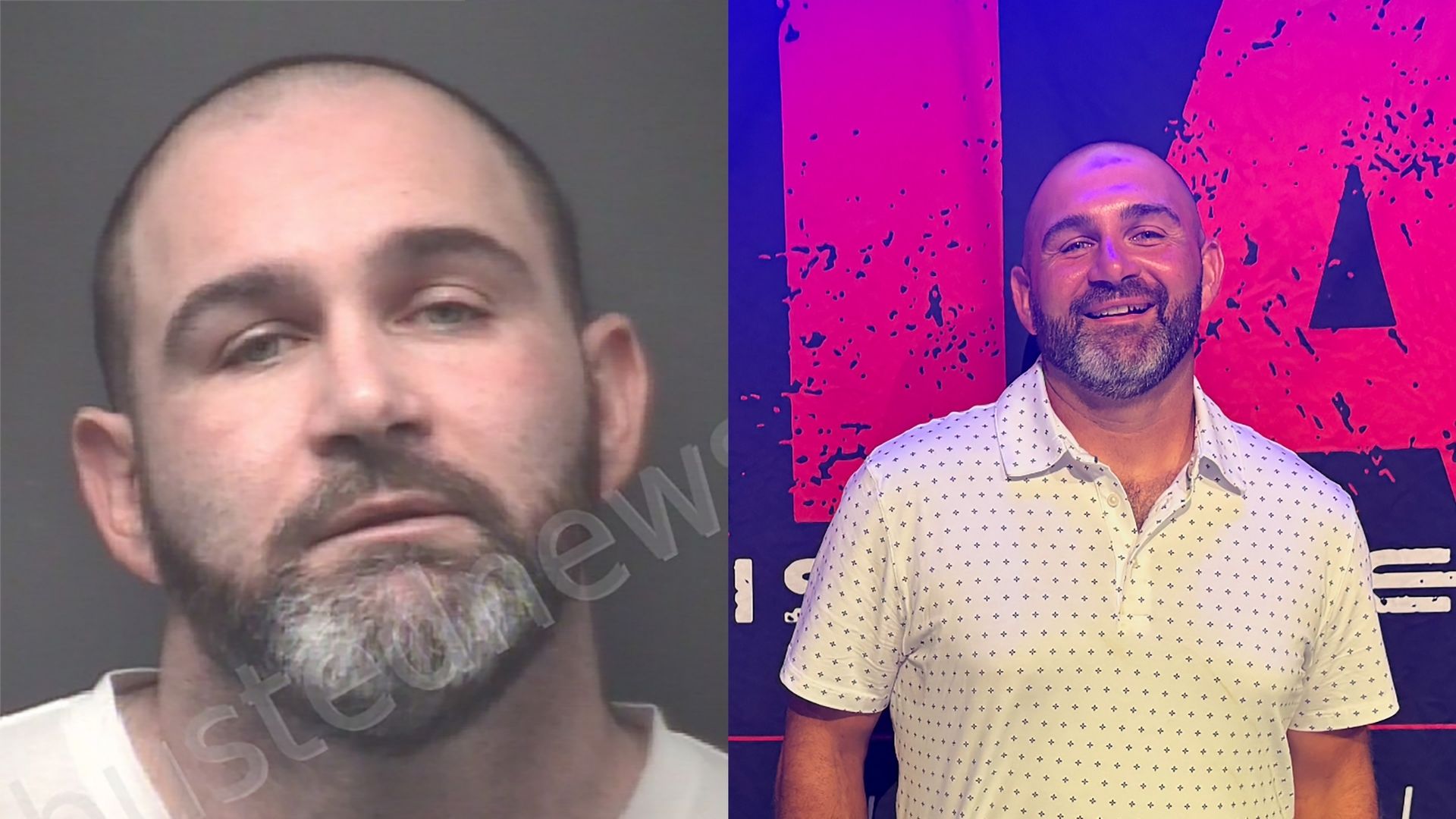
This is Hope is Alive’s challenge for all their residents. And for one Greenville resident, it became the turning point for a radically new life.
The Life of Terry Foy
Born in eastern North Carolina, Terry Foy’s early childhood was shaped by instability. Both of his parents struggled with addiction and were involved in selling drugs. By the third grade, the environment had become so unsafe and unstable that his grandparents stepped in and moved him two hours away.
With his grandparents, Terry thrived. He played nearly every sport available — football, basketball, baseball — and excelled. He became a team captain, won state championships, and learned how to not only be a good teammate but also a good leader. On the outside, his life looked promising.
But as adolescence faded and his friend group changed, so did his hobbies. Once sports were out of the picture, Terry began drinking — later advancing to drugs like cocaine.
“I kept everything together for years, but in 2015, everything caught up to me. My drug use had escalated to IV heroin and fentanyl, and I was charged with over 70 felonies,” Terry shared.
Terry had started multiple businesses in the early 2000s and lost all of them by 2015. From there, he really spiraled and spent nearly eight years cycling in and out of jail and prison. His addiction continued, and so did the charges.
“There was a period where I stayed clean for about a year, but when my mom died, I jumped right back into addiction,” Terry said.
Another arrest followed. Then another sentence. And so on. It was a cycle he couldn’t escape, and one that he didn’t care about changing at the time.
But during what would become his final incarceration, Terry entered a short recovery program at Pitt County Jail that changed everything. It was there that he heard about Hope is Alive for the first time.
“At the time, I thought I was too far gone,” he shared. “I was 36 or 37 years old, and I had so many felonies on my record that I didn’t think society would ever take me back.”
When he was released from jail, Terry was faced with the harsh reality of his past. The people he once ran with had stolen his vehicle and destroyed his home, stripping it bare searching for drugs. Everything he owned was gone.
“When I came to Hope is Alive, I had nothing,” Terry said. “Just the pair of state boxers from when I was locked up.”
He arrived at Greenville’s Hope is Alive home with no possessions, little family support, and a deep fear of failure. For Terry, early days in the program were hard — not because he didn’t want change, but because he wasn’t sure he was capable of it.
Recovery Done Differently
At Hope is Alive, residents are encouraged to look beyond substance use and address the deeper patterns that fuel addiction. For Terry, that meant confronting isolation, perfectionism, and a long-standing fear of failure.
With the support of staff and mentors, Terry began recognizing how those unhealthy behaviors had shaped his choices for years.
Faith also became an important part of his recovery. Terry grew up in church and was active in youth groups, but he said faith never felt personal during his addiction. Instead, it felt conditional — something based on performance rather than relationship.
“I didn’t really understand God’s love,” he said. “I felt like if I did good, He would help me, and if I did bad, there was no hope for me. Because of Hope is Alive, that’s no longer the case.”
As Terry continued working through the program, he also began reconnecting with the Greenville community. Through Hope is Alive, he became involved with local churches, food banks, and outreach efforts. He also regularly attends Bible studies and has spoken at several detox centers with other residents.
The Greenville community has welcomed Terry with open arms. He has developed ongoing connections with local leaders, including judges, law enforcement officers, and community members, whom he previously thought would want nothing to do with him.
In a full-circle moment, the judge who sentenced Terry to Hope is Alive now serves as his mentor.
Greenville’s community support has made a tangible difference in his recovery. Terry has paid off all of his fines and is on track to complete probation in July, alongside his anticipated graduation from Hope is Alive’s recovery program.
When asked what Hope is Alive has changed most in his life, Terry’s answer is simple.
“Love,” he said. “I hadn’t spoken to my family for years before coming to Hope is Alive. Now, that relationship has been restored — just like my relationship with God.”
And that restoration has extended beyond his sobriety. Today, Terry’s father is also sober and fully present as a parent.
With stability in multiple areas of his life, Terry has a strong foundation to move forward in his recovery. Currently, Terry works in sales for a construction contractor and serves as the house manager at the Hope is Alive home in Greenville.
He doesn’t know exactly what the future holds, but he is excited to find out, as is everyone else that’s a part of his community.
Hope is Alive
Terry’s story is just one example of what happens when recovery is done in community. Any Hope is Alive alumnus will tell you that graduating from the program was only the beginning.
Life in recovery is not only possible but also worth celebrating.

Hope in the Ordinary

Hope in the Ordinary
When we think of hope, we often think of the big, breakthrough moments. We think of mountains moving, people miraculously healing from serious injury or disease, and long-awaited answers to prayers. But what if the truest form of hope doesn’t always arrive with a news headline? If we’re only looking for hope in newsworthy events, we might miss it completely.
Let’s be honest, most of our lives aren’t filled with fireworks. Most of our days are spent in a routine: commuting to work, standing in line, folding laundry, cooking dinner, doing the dishes, and so on. But if we slow down and shift our focus, we can begin to see all the hope present in every single moment of our lives. Yes, even the boring ones.
Ordinary Moments in the Addiction Recovery Journey
At Hope is Alive, we know that alcohol and drug addiction recovery isn’t built solely on big, dramatic milestones. Yes, celebrating one year sober, reconciling with loved ones, and graduating from our program are powerful, hope-filled moments — but they aren’t the only ones that matter. The real foundation of recovery is laid day-to-day. It’s the choice to get out of bed when depression weighs heavily. It’s attending one more meeting when everything inside says, “I don’t want to.” It’s choosing honesty over hiding, prayer over panic, and connection over isolation.
Hope is showing up again and again, day after day.
A normal day for most people looks something like this: wake up, get ready, make coffee, go to work, eat lunch, finish the workday, go home, cook dinner, go to bed. If you’re not an addict, that kind of day probably doesn’t seem special at all. It’s just life. For someone in active addiction, though, the idea of waking up to a normal day where you make coffee and go to work might feel like a far-off dream. That’s why in recovery, we begin to see the extraordinary beauty of those “normal” moments. We learn to cherish them.
At Hope is Alive, we celebrate the ordinary because we know that consistency creates change. Addiction recovery isn’t just a highlight reel of big victories — it’s a series of small decisions, made over and over, that lead to healing. Recovery is based on the little moments of hope that keep you going.
Finding Hope
Here’s something we don’t talk about enough: how powerful the little things can be.
A smile from a stranger.
A wave from a neighbor.
A friend texting just to say, “Thinking of you.”
Someone holding the door open when your hands are full.
These little moments might not seem like much, but to someone struggling with addiction — to someone trying to make it one more day sober — these moments are huge. They are reminders that the world hasn’t forgotten them. They are reminders that they matter.
When we start paying attention, we realize that hope isn’t this rare, once-in-a-lifetime thing everyone makes it out to be. Hope is everywhere, right here in the ordinary. Every little act of kindness is a shred of hope that we give to someone else, or that someone gives to us. Everything we do affects somebody, and by making the most of every ordinary action, we can have an extraordinary impact on someone else’s life.
Take a moment to think about something that happened yesterday that brought a smile to your face. Maybe someone complimented your outfit or chose to sit and share lunch with you. Maybe someone helped you clean up spilled coffee. Or perhaps the perfect song came on at just the right moment. Even if you spent the day alone at home, that doesn’t mean hope wasn’t there. It just means you have to look for it in different places.
Hope is everywhere, in everything.
If you or someone you love is struggling with substance abuse, know that you're not alone. There is hope. At Hope is Alive, we’re here to walk with you every step of the way. Reach out today and explore the life-changing resources and support available to help you or your loved one begin the journey to lasting recovery from addiction.
Connect with Hope is Alive if you are seeking alcohol treatment or treatment for drug addiction. We help with addiction recovery!
Connect with Finding Hope, a support group for loved ones of addicts, if you ask yourself any of the following questions:
- How to help my son get sober?
- How to help my daughter get sober?
- How to help my wife get sober?
- How to help my husband get sober?
- How to help my loved one get sober?
- How to help my son after treatment?
- How to help my daughter after treatment?
- How to help my loved one after rehab?
Connect with Hope After Loss, a support group for those who have lost a loved one to addiction, if you need a safe space to grieve.
Death by Distraction | Bible Reading Plan

Death by Distraction
For about a year and a half, Lance Lang struggled with something. He couldn’t quite name it or figure it out; he just knew something wasn’t right. Then he discovered that the devil was DISTRACTING him! In this reading plan, Lance shares about how this dangerous ploy of the enemy can be used to destroy the calling and purpose God has for us and how we can put an end to it!
Start the plan here: Death by Distraction
Finding Hope Podcast: Parallel Feelings
In this episode, Finding Hope Coordinator Darcie Stephens dives into one of our favorite lessons from Finding Hope: Parallel Feelings.
After hearing testimony after testimony from people in addiction recovery and from loved ones, we began to notice something surprising: both groups often experience many of the same emotions, but respond to them in very different ways.
In this episode, we unpack the parallel feelings and traits of those who love someone struggling with substances and those who are battling addiction themselves. As we name the similarities, we discover that awareness isn’t meant to bring shame — it gives us the opportunity to pause, extend grace, and choose healthier patterns. Understanding these parallels can soften hearts, break cycles, and move us one step closer to healing for everyone involved.
For more information, visit:
Hope for Families in Australia
Hope for Families in Australia
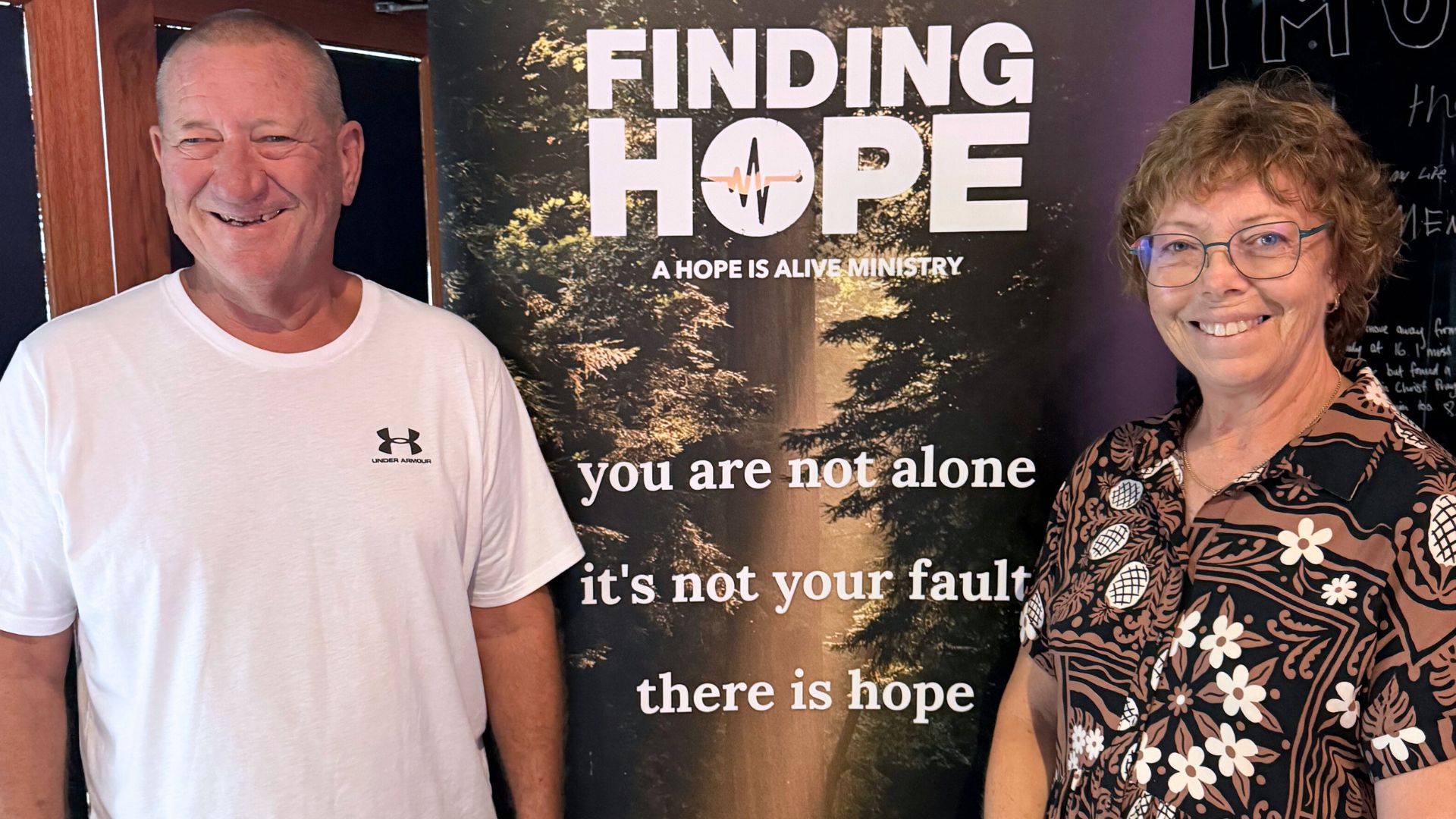
When Trevor and Cheryl Joyce first met at Bible college, they had no idea their calling would eventually lead them to launching family recovery groups in Australia.
“We both had a heart for mission work,” they said. “We did missionary training and were missionaries in the Philippines for four years. We wanted to stay longer, but health issues forced us to come back to Australia.”
After returning home, they served in churches across Australia for years, moving often. Eventually, family circumstances required them to settle. To them, nothing was going as planned. But ministry work rarely works according to plan.
They didn’t realize at the time that the Lord was weaving together decades of experience — missions, church leadership, mental health work, addiction ministry, and personal heartbreak — to prepare them for something new.
Finding Hope
Trevor and Cheryl’s introduction to Hope is Alive didn’t begin with a strategy meeting or conference. It began with a song.
“One of the people we had helped sent me ‘Black Sheep’ by Ben Fuller,” Trevor said with a laugh. “I wasn’t going to listen to it because it was country, and I didn’t like country music. I like classical and rock. But because he sent it, I thought I should listen.”
That decision led to watching Ben Fuller’s testimony. Which led to watching a prison concert. Which led to seeing Hope is Alive residents being baptized. And then they watched people share about their experiences with addiction, and how helpful Finding Hope had been for their families.
Addiction wasn’t unfamiliar territory for Trevor and Cheryl. It had been part of their ministry for decades, and a part of their personal story as well. They had walked alongside family members navigating the chaos of addiction. They had seen the strain of rehab stays, relapses, and late-night phone calls no parent or grandparent ever wants to receive. They had witnessed the shame that keeps families silent and isolated.
“There are Christian rehabs in Australia,” Cheryl explained. “But we realized there wasn’t really anything for the families. Especially for those whose loved ones aren’t in rehab yet — they’re just at home, struggling.”
As they watched more testimonies from Hope is Alive and learned more about Finding Hope, they began to see something unlike anything they had ever seen before: a structured, faith-based support system designed specifically for families of addicts and alcoholics.
“It wasn’t just emotional support,” Cheryl said. “There was education. There was guidance. There was a path forward. And we knew families here needed that.”
Launching Finding Hope in Queensland
Once they realized what Finding Hope offered, Trevor and Cheryl knew they couldn’t keep it to themselves. After connecting with the Hope is Alive team and completing the leadership training, they began preparing to launch the first Finding Hope groups in Queensland, Australia.
“We’ve only advertised within our church so far,” they explained. “We wanted to get comfortable running the meetings, working the technology, and finding our rhythm before opening it up to the wider community.”
They now run two groups — one during the day and one in the evening — and each has developed its own dynamic.
“The daytime group tends to have more spouses and single mums,” Trevor said. “The evening group has had more parents with a child struggling.”
In every meeting, there has been a good rapport and bonds forming among attendees. While the groups are still small, there is already a sense of relief in the room when people realize they are not the only ones walking through this. For many, it is the first time they have spoken openly about what is happening in their homes.
The need for such support in the Queensland area is significant. Located in a lower socioeconomic region, many families are impacted by substance abuse in some way. There has already been interest from other pastors who are watching closely and considering how Finding Hope might be introduced in their own churches in the future.
For now, Trevor and Cheryl are focused on faithfully stewarding what is in front of them — one group, one family, one week at a time. As trust continues to grow and word begins to spread, they believe this is only the beginning of what Finding Hope could become in Queensland.
“Finding Hope is a trusted program that has been running for a long time and has proven results,” Cheryl said. “That gives us confidence and reassurance.”
Though both Trevor and Cheryl bring decades of ministry experience, they are quick to acknowledge that leading a family support group comes with its own struggles.
“You forget what it’s like to hear a story for the first time,” Trevor shared. “And some leaders may struggle with that. But Hope is Alive has given us all the resources and support we need to handle it.”
Because of Trevor and Cheryl’s patience, compassion, and understanding through this process, families in Queensland are no longer walking this road alone. This time next year, we pray we’ll be celebrating not just dozens, but hundreds — even thousands — of lives impacted by the Finding Hope support groups they helped launch.
For more information, visit:
Explaining Addiction to Children

Explaining Addiction to Children
Did you know that one in three children under the age of 18 lives with or is impacted by a loved one’s addiction?
Children raised in homes affected by addiction are four to seven times more likely to repeat the cycle themselves. These are not just statistics — they're the faces and futures of the next generation.
Why We Have to Talk About Substance Abuse
Children are incredibly perceptive. They may not have the words, but they know something is wrong. Avoiding the topic or covering up the truth doesn’t protect them; it actually teaches them to silence their feelings.
These kids often feel:
- Scared
- Confused
- Lonely
- Isolated
Even imperfect conversations can become lifelines of safety and healing. Being a safe place for a child to process their experience can be the beginning of their journey out of shame and into hope.
When and How to Talk to Kids About Addiction
When to talk:
- As soon as the addiction is known. Don’t wait.
- Choose calm, non-stressful moments (not when they are upset, tired, or angry).
- When you are in a safe and comfortable environment.
How to talk:
- Be patient and empathetic.
- Use open-ended questions to understand their feelings.
- Reassure them: It is NOT their fault.
What to Say: The Finding Hope Motto
Teach kids the Finding Hope truths:
- You are NOT alone. Reaffirm this often. Share how community and faith have helped you.
- It’s NOT your fault. Children often internalize the chaos.
- “If I hadn’t messed up, maybe mom wouldn’t have left…”
- “I must be the reason dad drinks again…”
- There is HOPE. Share how Jesus is your Hope-Giver and how recovery is possible. Let them know that families can heal and addicts can find freedom through treatment and support.
Help Kids Name Their Feelings
Use a Feelings Wheel or chart. Ask them to point to what they feel. Let them know:
- It’s okay to feel more than one thing.
- Feelings change day to day.
- They can always come to you to talk.
Tip: Encourage journaling or drawing as a safe way to express their emotions.
For more information, visit:
Faith-based support groups for families of addicts and alcoholics.
Hope is Alive Sober Living: Trusted Recovery

Hope is Alive Sober Living: Trusted Recovery
If you’ve been searching for “sober living near me”, you’re likely looking for more than just a place that tells you not to drink or use drugs. Maybe you’re looking for structure. For accountability. For people who understand what you’re walking through. Or for hope.
At Hope is Alive, that’s exactly what you’ll find in our recovery homes — structure, accountability, a community that gets it, hope, and so much more.
We believe recovery doesn’t end when rehab or detox is over. In many ways, that’s when the real healing begins. The transition from alcoholism addiction treatment or drug addiction treatment back into everyday responsibilities can feel overwhelming. Without the right environment, even the strongest commitment can be tested.
That’s why Hope is Alive exists — to bridge the gap between treatment and independent living.
A Recovery Home Designed for Long-Term Success
A true recovery home is more than a place to stay. That’s why our sober living homes provide:
Structure (but still a flexible schedule)
Our schedule allows you to work full-time, go back to school, or volunteer your time. With in-house HIA meetings several nights a week, and quality twelve-step clubhouses a short drive away, everything you need to overcome your addiction is right at your fingertips.
Safety
With 26 sober living homes across 12 cities, we can help you find the right location for your Radical Life Change to begin. We all know that a fresh start can really make a huge difference. At HIA, we are looking to give you the best chance to change your life; sometimes that happens in a brand-new city.
Healing
We can promise you this: You will not find our curriculum anywhere else in the world. The work you do in our three-phase program is special, specific to Hope is Alive, and life-changing. You will quickly discover things about yourself you have never realized and be given the tools to heal your core wounds, develop life skills, and ultimately live a life of freedom… FOREVER.
Belonging
HIA residents receive one-of-a-kind experiences throughout their time in our program, including ski trips, float trips lake weekends, crazy cool retreats, give back weekends, tons of chances to tell your story, intentional connections with spiritual, financial & professional mentors, weekly engagement with community volunteers who drop by the homes with meals & encouragement, and an instant family where you will feel like you are known, needed, and valued!
The Hope is Alive Program is led by graduates who have experienced its life-changing impact firsthand. We’re here to guide you through one of the most transformational programs in the nation.
A Future Filled with Lifelong Friendships
We understand that your journey in addiction can be lonely and isolated. That’s why, at HIA, you will find friendships that will last a lifetime. From the moment you walk into our homes, you will be greeted with love, kindness, and acceptance.
Graduating from Hope is Alive means joining the Alumni Family, led by a full-time coordinator. Stay connected through monthly meetings, family outings, retreats, and celebrations of sobriety milestones and life’s joys!
Addiction Help for Loved Ones
Addiction Help for Loved Ones
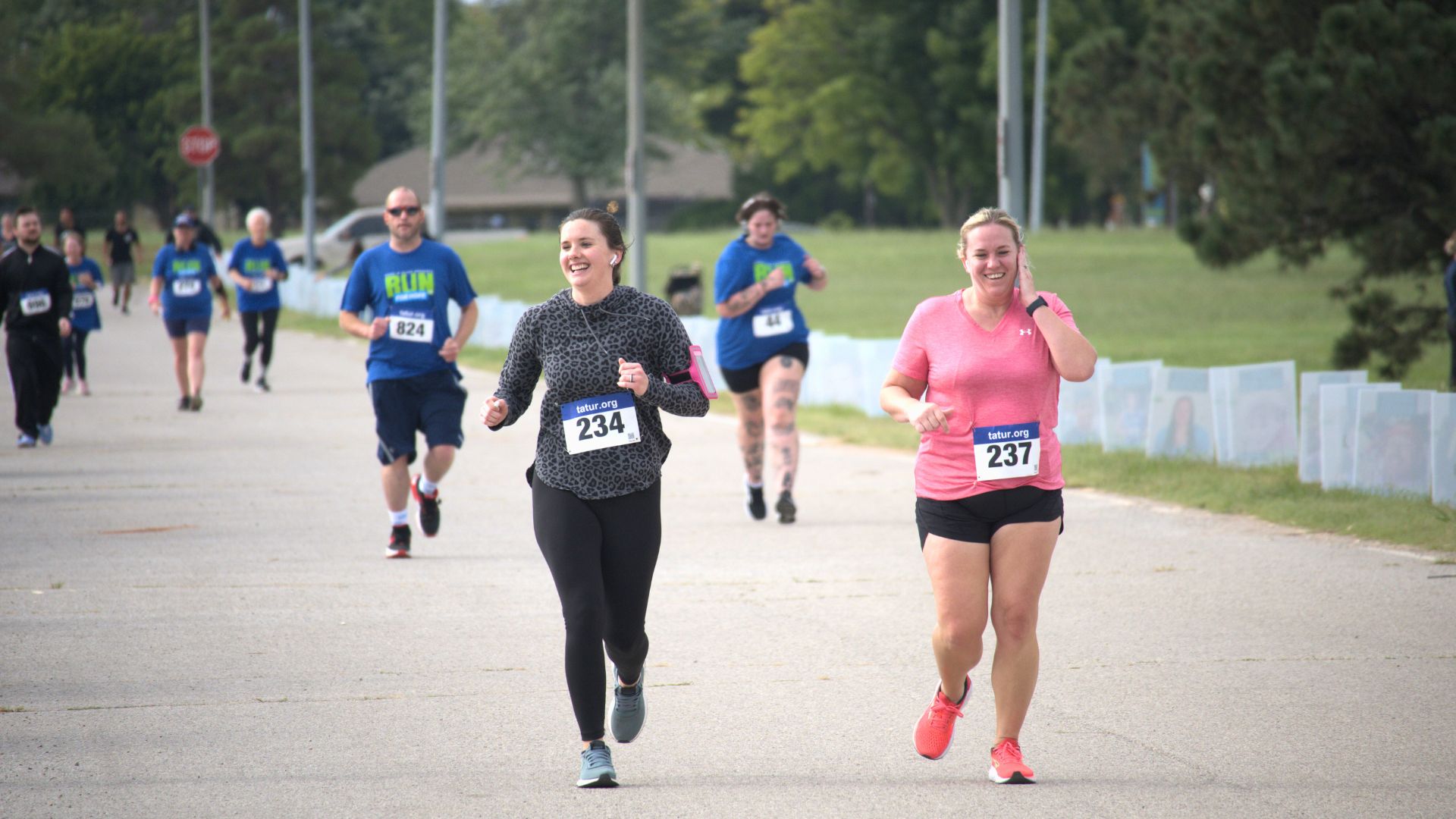
I've always wanted to call myself a runner, but every time I've tried, something gets in the way, and I stop. Recently, I started running again, and during one of my runs, the Lord revealed something to me. As I was running along the path, I realized how much this process mirrors our journey in recovery, especially when we love someone who struggles with substance abuse.
When we plan a run, we usually know where we'll start and where we’ll finish. That gives us a sense of control, of certainty. But if I'm running and I focus too much on how far away the finish line is, it becomes overwhelming. I start thinking, "I’m never going to make it." However, when I shift my focus to the strides I'm taking, one step at a time, the journey feels possible.
This is so much like our recovery and the experience of loving someone with addiction. When we focus on the distant goal of healing, it can feel out of reach. But if we break it down into small, manageable steps, progress becomes real, and we can keep moving forward.
In the same way, recovery isn’t about rushing to the finish line or fixing everything at once. It’s been said that our journey is a marathon, not a sprint, and like any marathon, it’s about endurance, not speed. We should focus not on how fast we’re going but on the fact that we’re still moving forward. Also, it’s important to focus on our recovery, not the pace or progress of our loved one. Just like in running, we can only control our own steps, not the path someone else is on.
For more information, visit:
Faith-based support groups for families of addicts and alcoholics.