Articles & Resources
Explore articles and resources designed to bring encouragement, insight, and hope for every step of the recovery journey.
Redeemed Tears: Hope for Loved Ones of Addicts | Bible Reading Plan

Redeemed Tears: Hope for Loved Ones of Addicts & Alcoholics
Are there places you’ve blamed yourself for things beyond your control? When you love someone struggling with a substance use disorder, or have lost someone to addiction, it can feel overwhelming and like nothing makes sense anymore. Redeemed Tears is a chance to pause and remember that God is redeeming the pain, the waiting, the grief, the questions — all of it. Start this plan today to be reminded that you are not alone, it’s not your fault, and there is hope.
Start the plan here: Redeemed Tears: Hope for Loved Ones of Addicts & Alcoholics
The Importance of Self-Care When Loving an Addict

The Importance of Self-Care When Loving an Addict
For many of us who love someone struggling with addiction, self-care can feel unnecessary — or even selfish. We ask ouselves, "How can I help them get sober?" and base all of our actions off that one question.
But Scripture reminds us that our bodies, minds, and spirits are holy. Caring for ourselves is not selfish; it is stewardship.
For me, self-care didn’t come naturally. I spent years putting myself last, believing that if I just tried harder, loved better, or held everything together, things would change. Eventually, I realized I was exhausted — physically, emotionally, and spiritually. Then God gently showed me that I could not continue living empty and still expect to show up whole.
What is Self-Care?
Self-care is any intentional action we take to care for our mental, emotional, physical, or spiritual health. It’s choosing practices that sustain us so we can live with clarity, peace, and purpose.
Today, my self-care looks like daily movement, time in prayer, counseling, worship music, and giving myself permission to rest. These small, consistent choices have helped me reconnect with God, myself, and the life He’s inviting me to live.
What Self-Care is Not
- Adding more to your to-do list
- Being selfish
- Waiting until you’re burned out to respond
Self-care is about identifying your essential needs and creating healthy habits before the tank is empty.
Where is Your Wellness Tank?
- Empty: Completely drained in all areas
- Half-Full: Getting by, but close to burnout
- Full: Actively caring for yourself and your needs
Checking in with yourself is the first step toward healing.
How Do We Fill Our Wellness Tank?
- Making yourself a priority
- Practicing self-awareness
- Meeting your own needs in healthy ways
- Finding balance
- Seeking support and community
- Communicating clearly and setting boundaries
- Practicing gratitude
- Learning to love yourself as God loves you
How Do I Begin Practicing Self-Care?
- Set healthy boundaries by creating a “no” list
- Get enough sleep
- Make movement a priority
- Pray and meditate
- Do one relaxing and one enjoyable activity daily
- Look for opportunities to laugh
Caring for myself didn’t take me away from my purpose. My purpose wasn’t to care for my loved one. My purpose was bigger than that, and caring for myself brought me back to it. The same is true for you, too. You matter. Your wellness matters, and it honors God when you prioritize it.
With hope,
Darcie Stephens, Finding Hope Coordinator
For more information, visit:
Faith-based support groups for families of addicts and alcoholics.
Finding Peace Through Pain: Todd's Story

Finding Peace Through Pain: Todd's Story
“If I could sum up Finding Hope in one word, it would be peace.”
Finding Hope, a support group for loved ones of addicts, is an extension of Hope is Alive Ministries. Because of Finding Hope, Todd Demuth’s household feels different. There's a newfound calmness and resilience that years earlier, Todd and his wife didn’t think was possible. Their son Nathaniel was relying on substance use and didn’t want help.
Todd, however, felt like it was all on him to “fix” Nathaniel’s addiction. He was willing do whatever it took to help his son because he needed to help.
The turning point came for Todd and his wife when they realized they couldn’t control Nathaniel’s choices, but they could control how they responded. That’s where Finding Hope made all the difference.
“Because of Finding Hope, we’ve got tools to deal with what's going on.
We've got practical steps. We've got a community.”
If you feel like you are at a crossroads, know that Finding Hope is here to support you. Through weekly meetings, you'll gain education, encouragement, and a caring community of others who have been impacted by addiction. Each gathering offers the chance to better understand addiction, discover tools to support your loved ones, and — most importantly — find hope for yourself as you walk this journey.
For more information, visit:
Losing a Father to Addiction: The Story of Shae Matt

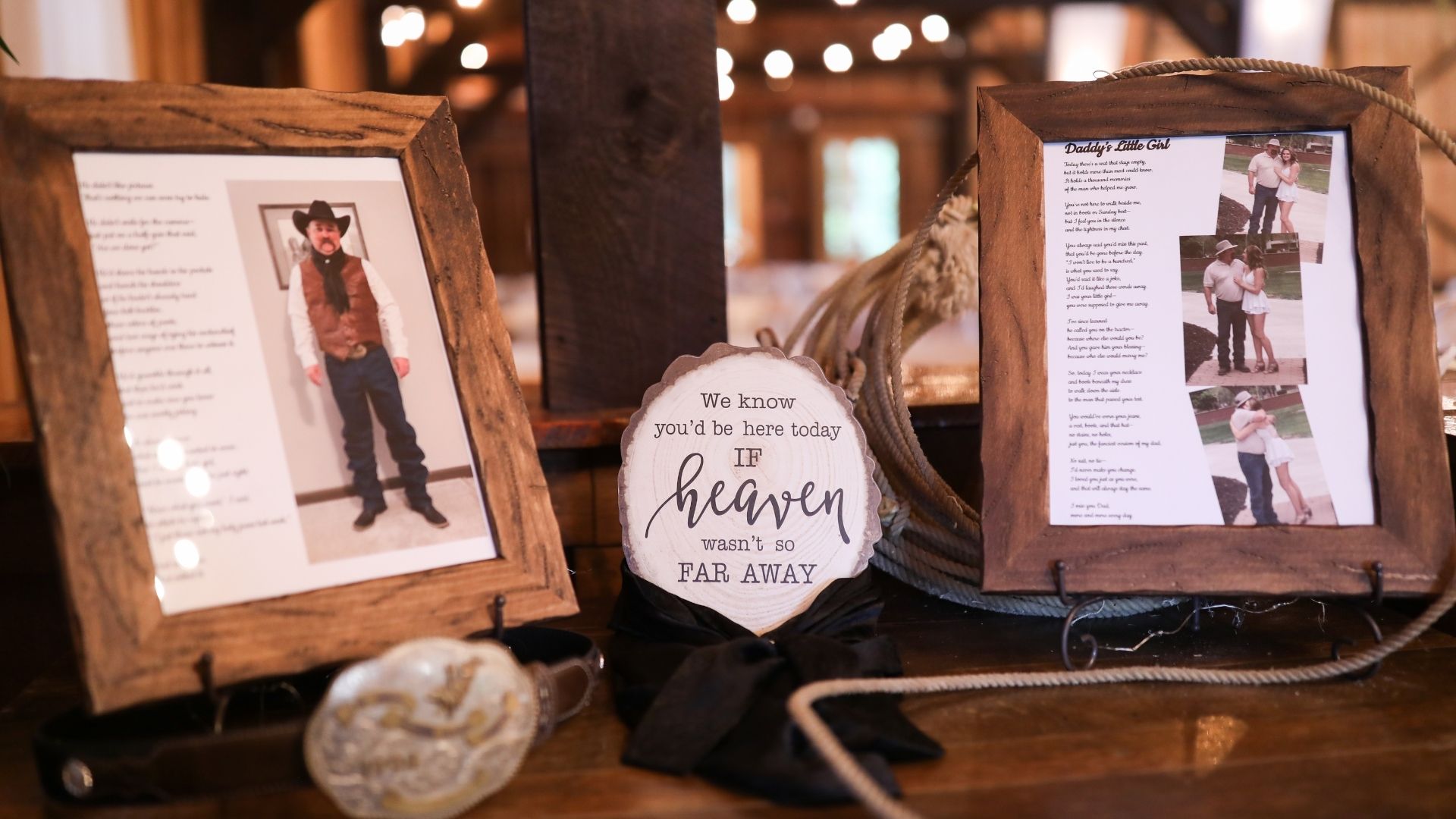
Losing a Father to Addiction: The Story of Shae Matt
No one expects to start the new year planning a funeral instead of a father-daughter dance. No one prepares for the fact that the person who’s been there for almost every major moment of your life might not be there for the moment you always imagined.
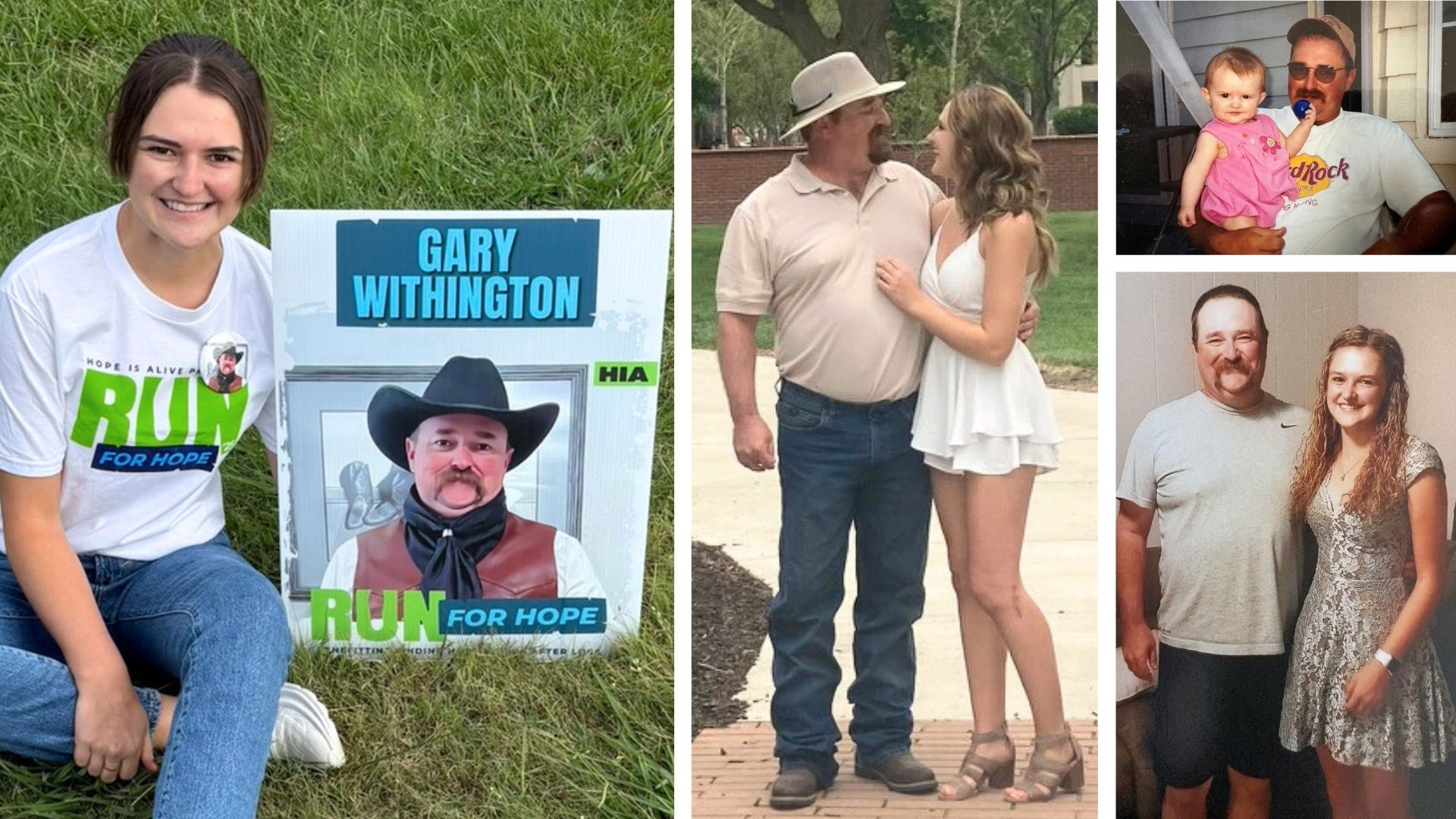
People often asked Shae Matt how she managed to stay so close to her dad, even though he struggled with alcoholism. She understood why people wondered. There were moments she wanted to believe he was less of a father herself.
“I had so much bitterness and no one else to blame,” Shae shared. “But no matter how complicated life became, I never doubted that he was still a good man.”
Addiction was part of his story, but it was never the whole of who he was.
“Sober or drunk,” Shae said, “my dad was my best friend, my biggest cheerleader, and one of my favorite people. He was unapologetically himself, and he always pushed me to be the same way.”
He didn’t need an audience to be funny or enjoy life. He found joy in the smallest moments and had a laugh that filled whatever space he was in.
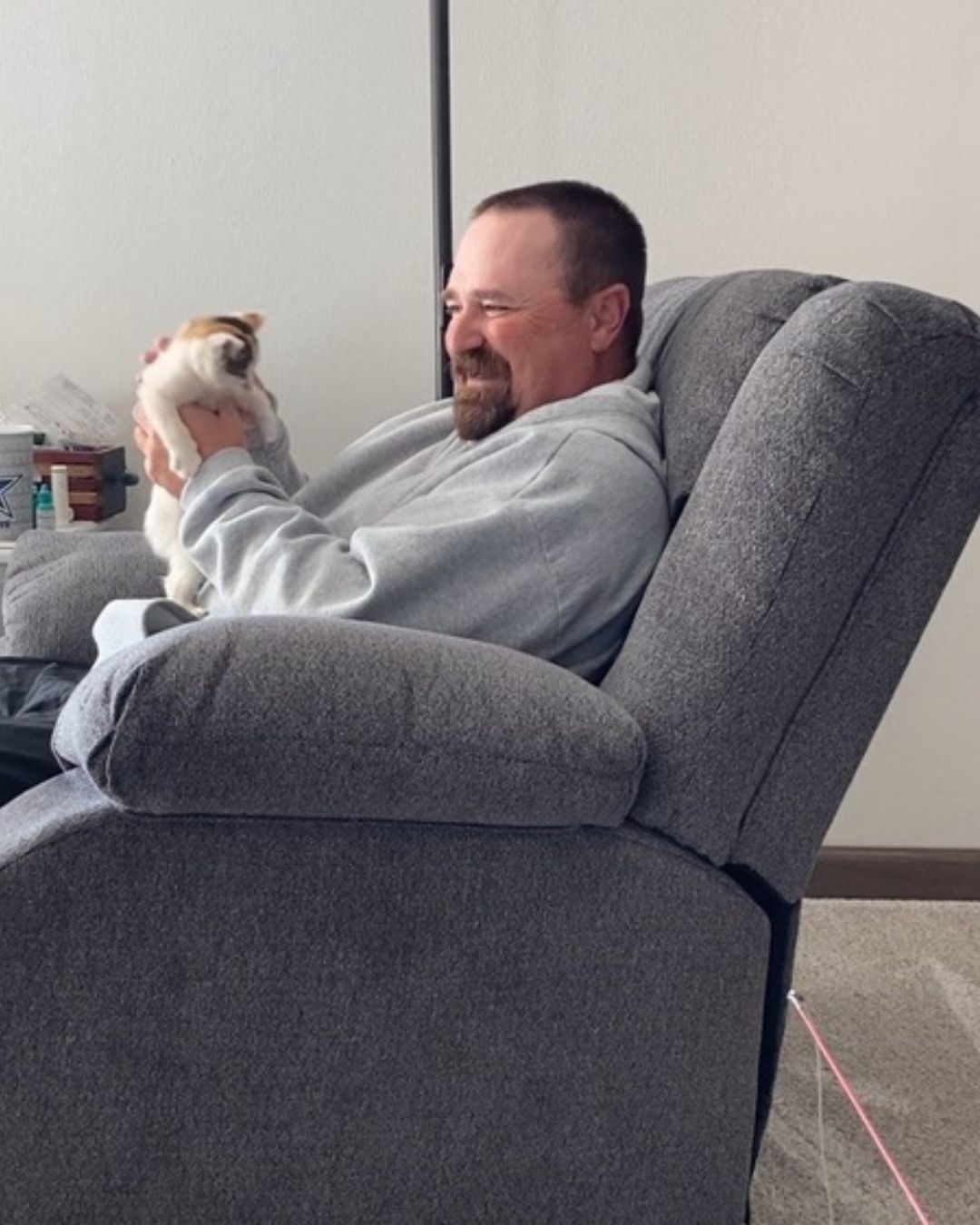
“I have this video of my dad with my cat… It’s ridiculous. It’s hilarious. It’s my dad in a nutshell.”
In the video, her dad is teasing her cat. He scoops the cat up like a toddler, holds him nose-to-nose, and stares him down as if they’re about to duel. When the cat pins his ears back, her dad calls him an “angry rabbit” and lifts him into the air like Simba, launching into an exaggerated martial arts routine complete with ridiculous sound effects.
“I’ve watched that video so many times, I can recite every word and every exaggerated sound effect.”
Every time she watches it, she laughs. Then she cries. Then she watches it again.
Because that video captures her favorite version of him — the version seemingly untouched by addiction.
A Disease that Steals
For Shae, the good memories are always tangled with the painful ones.
“I was old enough to see the cracks,” Shae shared, “but too young to understand how deep they ran. I didn’t truly understand why he was drinking, but I always knew it wasn’t just because he wanted to. He’d tell my brother and I over and over again that alcohol would ruin our lives, and not to go down the same path he had. We could just never understand why he couldn't put the bottle down himself.”
While her dad had periods of sobriety throughout her childhood, whether it be days, weeks, or months at a time, it never lasted. Every time he’d get sober, they’d sit and wait for the inevitable fallout, never knowing exactly when or how it would happen.
At the time, Shae didn’t understand what addiction truly was. She only knew what it felt like to love someone who was slowly being pulled away by something she couldn’t control. As a child, she heard the warnings and believed them — she believed that addiction was something you could choose to avoid if you were strong enough, careful enough, and disciplined enough.
She didn’t yet understand that addiction isn’t a lack of love or effort. It isn’t simply a bad habit or a failure of willpower. It’s an illness; one that convinces good people to act in ways they never intended.
“My perspective on addiction didn’t start to shift until after he passed, and that’s something I’ll regret for the rest of my life,” Shae admitted. “It wasn’t that my dad didn’t love me enough. It wasn’t that he didn’t want to stop. It was that addiction didn’t care about any of that.”
After her dad passed in his sleep, his alcohol limits off the charts, she started to question everything she thought she knew about him… and addiction.
Her dad’s addiction didn’t begin with anything she could attempt to control. Rather, it was rooted in his childhood, where love was inconsistent, approval was scarce, and alcohol was modeled as a solution to any and every problem. He grew up believing he was never quite enough, and alcohol became the thing that temporarily quieted that voice.
“That realization wrecked me. I never thought that he might have felt the same way as me when he was a kid,” she explained. “I spent so much of my life thinking if I could just be enough — good enough, successful enough, strong enough — I could fix it. I could save him. I thought that if anyone could pull him from his addiction, it was me — his little girl.”
Unfortunately, that’s not how addiction works.
Grieving a Parent
“I have to keep telling myself he isn’t out checking cows. He isn’t harvesting wheat somewhere. He isn’t watching the Dallas Cowboys play football. He isn’t playing a round of golf. He is just gone.”
Shae didn’t get to say goodbye. She didn’t get to tell him she loved him one more time. She didn’t get to tell him how proud she was of him for finally reaching out for help.
“Most people don’t know that he really was trying to get better. Toward the end, he started admitting what he’d spent years avoiding: that he was an alcoholic, and that something had to change.”
For so long, Shae had imagined what that moment would be like. She wondered what recovery would look like, and who he would be afterward. She wondered what her wedding, a short six months away, would be like with a sober, vibrant father.
But recovery doesn’t begin the moment someone decides they want help. It takes time. And unfortunately, her dad didn’t have enough time left.
“For a while, I was angry,” she admitted. “It felt cruel. He had finally reached out for help, and then everything was suddenly taken away. I cried out to God time and time again, asking ‘Why?’ It wasn’t until much later that I came to realize that God did answer my prayers even though the outcome wasn’t the one I had hoped for. I prayed that God would show my dad mercy and give him peace, and that’s exactly what He did.”
While it took months for Shae to come to terms with her dad’s death, she has found the light at the end of the tunnel.
“For me, there’s peace in knowing that my dad is no longer fighting, no longer hurting. There’s peace in trusting that he is in heaven watching over me. He always used to tell me I could use my writing to change the world if only I would put my mind to it. If it hadn’t been for his addiction and his passing, I wouldn’t have found my way to HIA, where I get to make his dream for me a reality.”
Finding Purpose in Pain
Working at Hope is Alive has changed everything for Shae. For the first time in her life, she is surrounded by people who don’t need addiction explained to them — people who understand the complexity, the heartbreak, the hope, and the humanity behind it all.
“I see my dad in so many of the men here,” she said. “Not just in their struggles, but in their kindness, their humor, and their desire to be better than the version of themselves addiction tried to convince them they were.”
At Hope is Alive, she sees daily reminders that recovery is possible — that men who once believed they were beyond saving can rebuild their lives.
“There isn’t a day that goes by that I don’t wonder what could have happened if my dad had found his way to HIA instead of his grave,” she said. “But that ‘what if’ fuels me. It reminds me why this work matters: Someone else’s story can end differently."
There are countless more sons and daughters saying the same prayers Shae did. But their stories don’t have to end the way hers did. Help us rewrite the ending of someone else’s story by donating today.
Anchored in Hope | Bible Reading Plan
Anchored in Hope: Help for Loving Someone in Addiction
Loving someone who is in active addiction can feel overwhelming. How can you love someone well while also caring for yourself? You must be anchored in hope. In this reading plan from Finding Hope, Amy LaRue speaks from experience and from the heart to help you love well and find your anchor in the hope that God brings.
Start the plan here: Anchored in Hope: Help for Loving Someone in Addiction
Will Treatment Fix My Loved One?
Will Treatment Fix My Loved One?
I will never forget the day I dropped my husband off at treatment, and the young man working asked me, “How many times has your husband been to treatment?” I probably looked like a deer in headlights... “How many times?” I had the mindset that treatment would fix him once and for all. After all, that’s what drug and alcohol addiction treatment is for, right?
Maybe you have felt that same way when your loved one started counseling, went to rehab, or moved into a sober living home. But as I have learned over the years, this will be a lifelong journey — not only for my husband but also for me.
Some of you may not like to read those words, just like I didn’t like to be asked, “How many times has your husband been to treatment?” But hear my heart: I truly thought that treatment would fix my husband, and that we would get back to the way our lives were before addiction took over. But the reality is, addiction will always be a part of our family, and life always will and does look different.
When I came to that realization, I gave myself permission to grieve. In my case, I needed to grieve what I thought our family would look like and what we would be doing. You may need to grieve something entirely differently, but hear this: You are in a position where grief is normal and expected.
Have you given yourself permission to grieve? You might not be at the place of acceptance, and that is okay, but I want to ask you a simple question: Do you want your loved one’s recovery more than they do? Are you doing everything possible to encourage them to seek treatment? How much of your time, energy, and money has been spent on pushing treatment on them? How much has been spent on yourself and your own well-being? What if you used all that energy for your own recovery and support? Could you find yourself again?
My husband has only gone to treatment one time, and yes, he had one relapse, but I truly believe he went to treatment for HIM and not me, our kids, his mom, his dad, or anyone else. He went because he was ready to do it for himself.
Next time you feel the urge to push your loved one toward treatment, focus that energy on your own recovery and allow yourself to grieve.
“My eye grows dim through sorrow. Every day I call upon you, O LORD; I spread out my hands to you.” Psalm 88:9 ESV
With hope,
Amy LaRue, Director of Family Support Groups
For more information, visit:
Faith-based support groups for families of addicts and alcoholics.
The Healing Center is Open!
The Healing Center is Open!
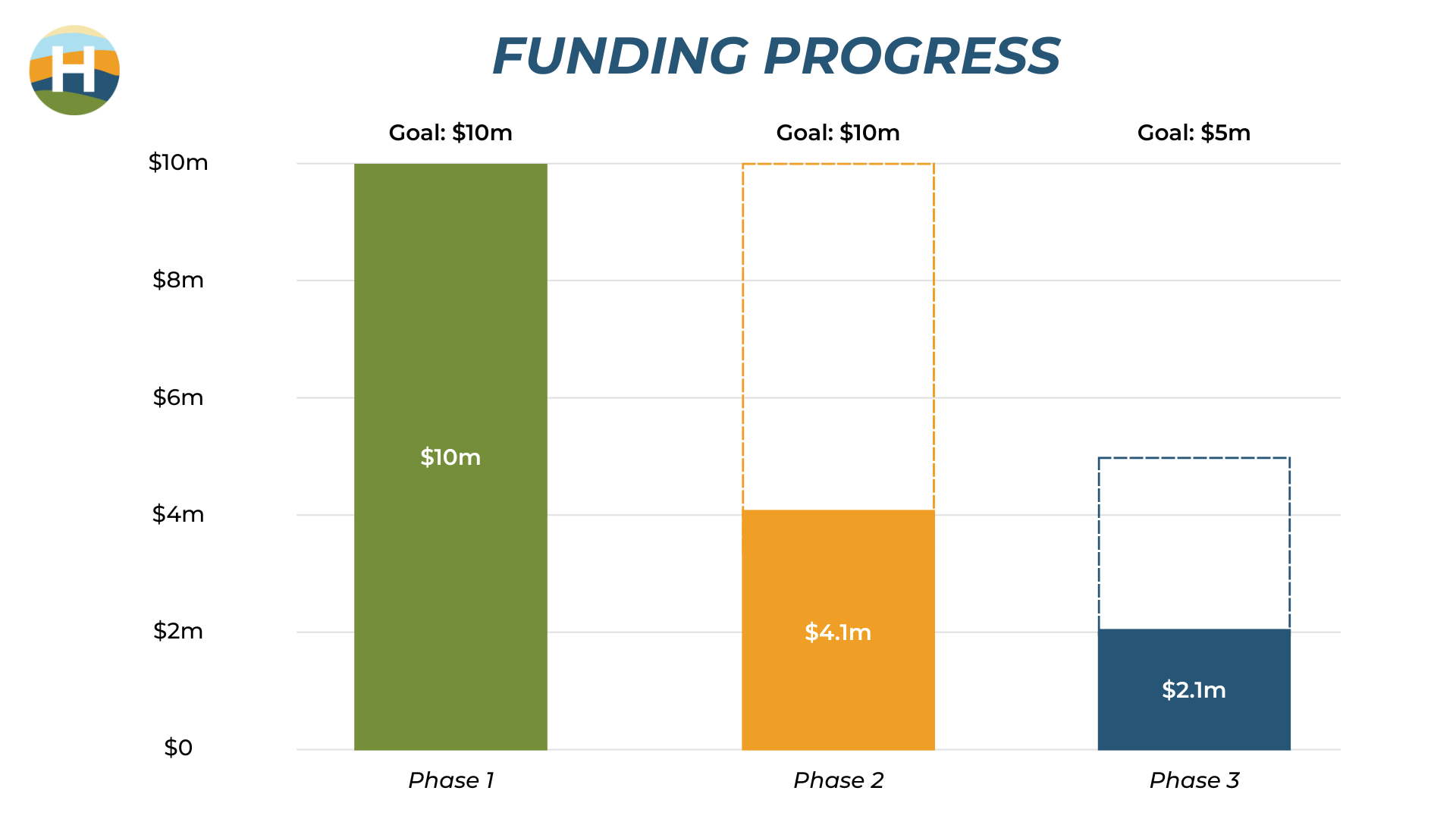
Praise God, two years of hard work, and lots of prayer… we made it! The Healing Center is OPEN and accepting residents!
Nestled on 75 peaceful acres just outside Oklahoma City, The Healing Center is our groundbreaking addiction recovery retreat designed to serve men and women in the earliest and most critical stages of recovery.
The Healing Center goes beyond managing addiction, offering full-circle care through a Christ-centered approach that addresses mind, body, and spirit.

Our first phase is dedicated to men in recovery, and we have already welcomed our first residents — three of whom have already graduated — into a place intentionally created for them to live, heal, and grow.
Each day, they are given meaningful opportunities for real and lasting transformation through our five core principles: biblical community, complete self, nutritional transformation, spiritual freedom, and divine purpose.
Through this foundation, they are being prepared to transition into our Hope is Alive recovery homes, where they will learn to thrive in long-term recovery.

Our vision for The Healing Center is massive: We dream of a future women’s center, a family retreat center, and so much more. We dream of a place where men, women, and families can heal from the wounds of addiction.
Join us in making this vision a reality. Hope is alive and recovery is possible.
Hope for Those Loving a Substance User
Hope for Those Loving a Substance User
“Behold, I will bring to it health and healing…” Jeremiah 33:6
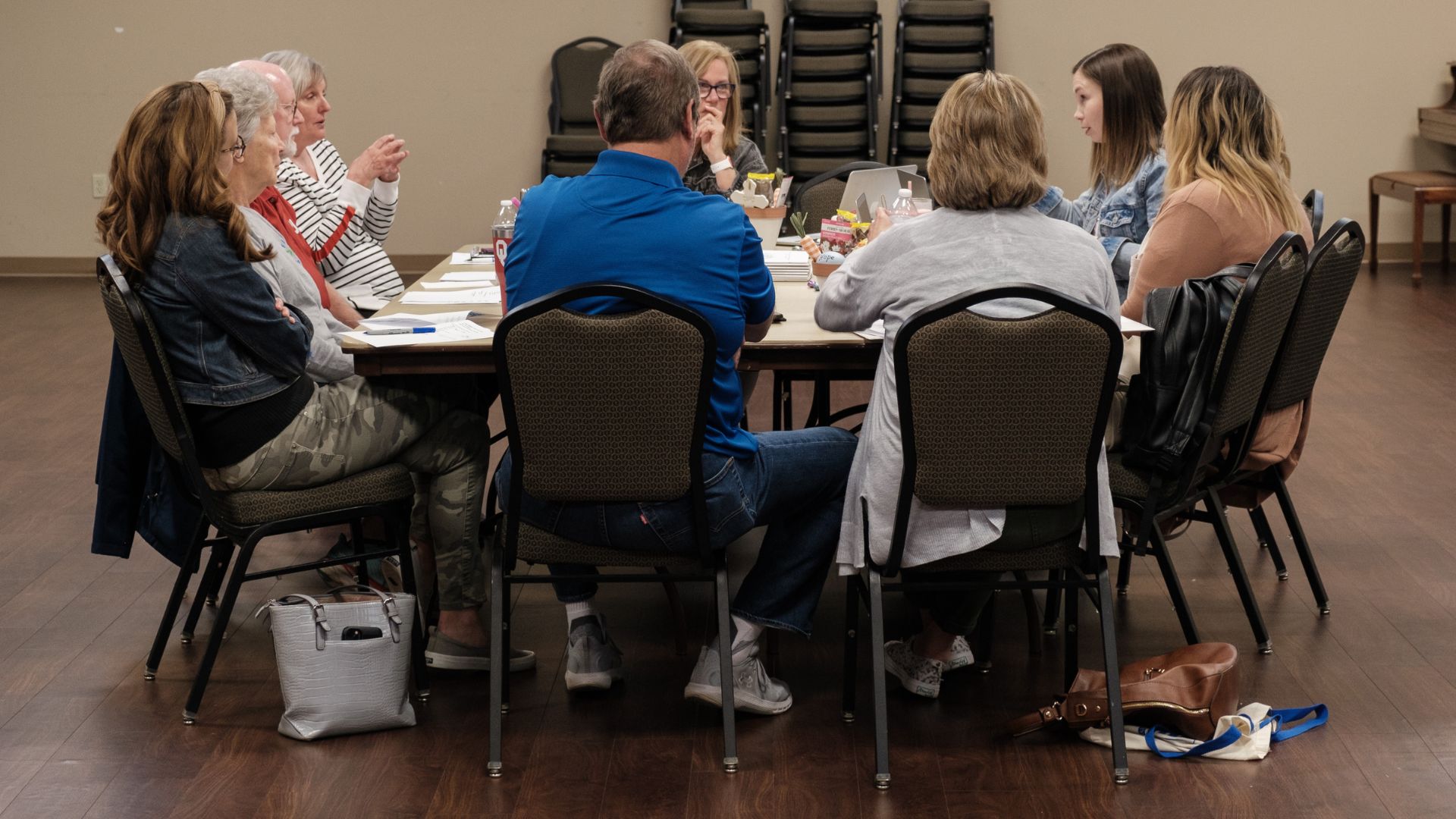
For a long time, I believed healing applied only to the addict in my life. I prayed for sobriety and change, assuming that if he was healed, everything else would fall into place. What I didn’t yet understand was this: God was just as invested in my healing, too.
God doesn’t offer partial healing. He brings health, peace, and restoration not only to individuals but also to families and wounded hearts.
Understanding Addiction & Codependency
Addiction is an uncontrolled compulsion to continue using a substance or behavior despite negative consequences.
Codependency is an excessive emotional or psychological reliance on another person — often someone struggling with addiction.
I could clearly see addiction in my loved one, but I struggled to see codependency in myself. I thought loving harder, fixing more, and sacrificing myself was faithfulness. Over time, I realized I was losing my peace, my identity, and my emotional health.
Parallel Pain: Two Sides of the Same Struggle
Through experience and research, we’ve learned something powerful: substance abusers and codependents often share the same root pain — expressed through different behaviors.
- Substance abusers look to a substance; codependents look to a person. Both give their power away.
- Substance abusers depend on substances; codependents depend on relationships. Both crave love and acceptance.
- Both avoid hard decisions, neglect self-care, lose identity, and become emotionally exhausted.
- Substance abusers numb pain with substances; codependents numb pain with control, fixing, and self-neglect.
- Different behaviors. Same desperation.
Shared Emotions
Common Feelings Among Loved Ones: guilt, shame, anger, loneliness, anxiety
Common Feelings Among Addicts: guilt, shame, anger, fear, hopelessness
Seeing these parallels doesn’t excuse behavior, but it does create understanding, compassion, and clarity.
“Recovery is an ongoing process, for both the addict and his or her family. In recovery, there is hope.” —Dean Dauphinais
Understanding isn’t about blame — it’s about healing. Your healing matters. God is restoring hearts, identities, and families.
You are not alone — and hope is real.
With hope,
Darcie Stephens, Finding Hope Coordinator
For more information, visit:
Faith-based support groups for families of addicts and alcoholics.
Poison or Peace: Quieting Anxiety | Bible Reading Plan
Poison or Peace: Quieting Anxiety
If you’ve ever felt trapped by anxiety or found yourself reaching for quick fixes that only make things worse, this plan is for you. This four-day devotional explores what it means to stop running to the things that numb our pain and start running to the God who heals it. Through real stories of fear and panic, you’ll discover that Jesus doesn’t just calm the storm around you, He brings peace to the storm within you.
Start the plan here: Poison or Peace: Quieting Anxiety
Feeling Loved After Losing a Loved One to Addiction
Feeling Loved After Losing a Loved One to Addiction
February is the month that most of us will celebrate Valentine’s Day. If you are in a committed relationship, this special day may bring surprises, special dinners, gifts, and other creative ways to celebrate your loved one!
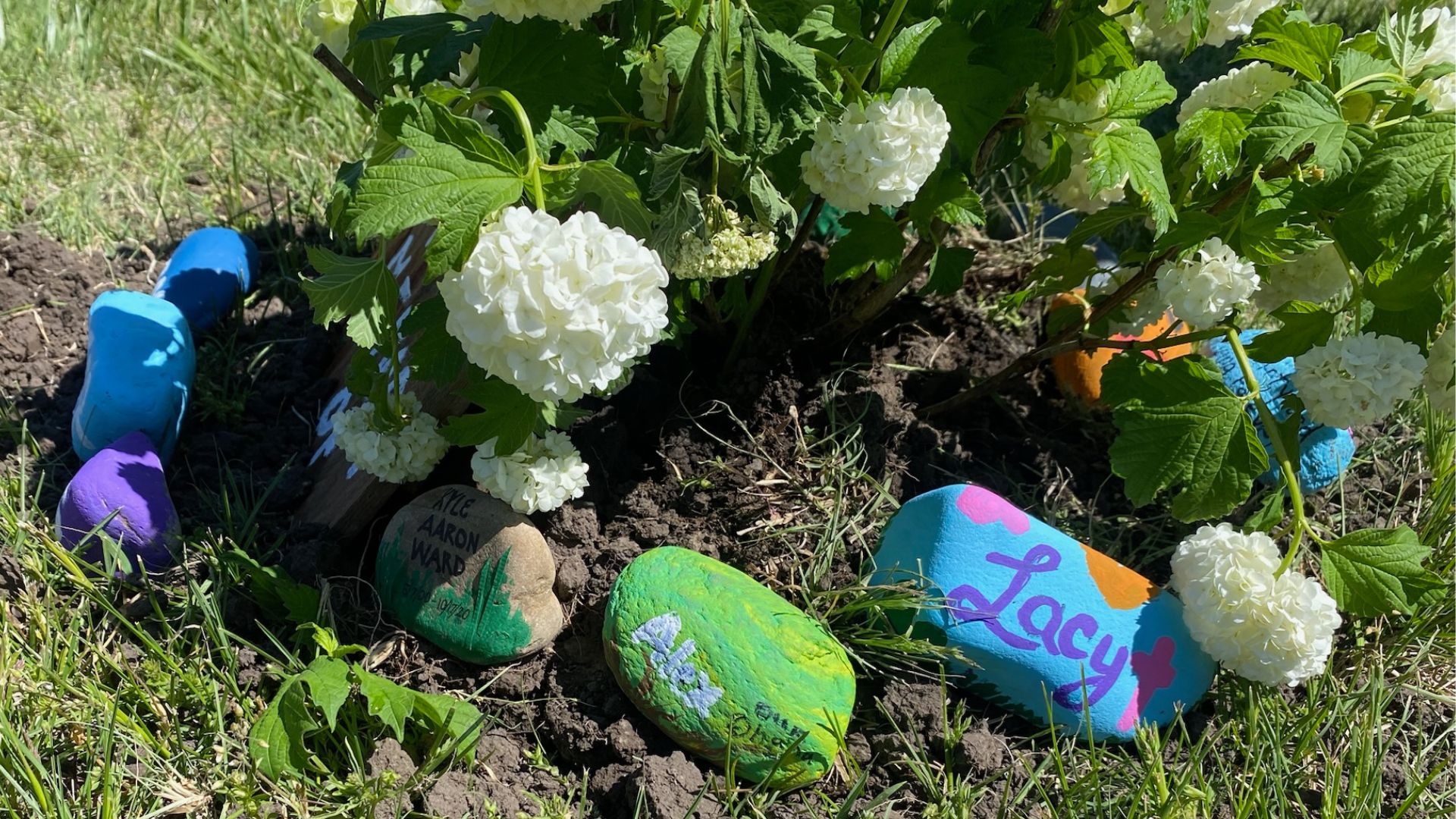
It’s usually a day filled with joy. But we as grievers may not feel the same toward LOVE that we once did, especially if our grief comes from losing a loved one to addiction. In my early years of grief, I struggled to be able to feel happiness and joy in the same way I did when I had my daughter with me, physically.
Honestly, it was hard to walk through each day and find beauty or a reason to celebrate anything. There wasn’t any anticipation of the future and what it would bring. There was only one thing that I could feel, and that was the closeness of God through the Holy Spirit. I found God in the people who were nurturing and ministering to me through the abundance of love they had in their hearts. It was incredible how much love they had for me and my daughter, Lacy.
Eventually, I started feeling a calling inside that God wanted me to have that type of love. The kind you can continuously give repeatedly and never run out of. The kind of love that can only be manifested in knowing God and walking in His truth.
In 1 Cor. 13:13 it says, “Three things that will last forever — Faith, Hope & Love — the greatest of these is Love.”
Love gives the power to change the way someone feels. By giving others what God has already given us, we have the opportunity daily to transform what is going on in another person’s life. Something as simple as a kind word can change how someone feels because it interrupts what’s happening inside of them — emotionally, mentally, and even physically. It reminds them that they’re not invisible.
When I lived in Tennessee, a lot of people — mostly women — were so generous with kind words that I remember feeling a little uncomfortable at first. But once I got used to it, I enjoyed being called “Sweetie, Darling, Precious, Sugar, and Honey!”
When you’re stressed or hurting, your thoughts often turn harsh and negative. A kind word can override that noise and give your mind something gentler to repeat instead. It lowers the emotional tension in the body. Kindness isn’t just emotional — it’s physical. Warm words can slow your breathing, ease tight shoulders, and calm the nervous system. You literally feel lighter. It restores hope in small but real ways.
A single sentence — “You’re doing better than you think” or “I’m glad you’re here” — can reopen the door to hope when it feels closed. Kind words don’t erase pain, but they give you enough footing to take the next step. And sometimes that’s all you need. Scripture puts it plainly: “Anxiety weighs down the heart, but a kind word cheers it up.” Proverbs 12:25
And here’s the part people often miss: kind words work just as powerfully when you speak them to yourself. The way you talk to yourself today will shape how you feel tomorrow. If you are struggling to find love and purpose in this world.
Remember these few things:
1. You can speak life-changing words to yourself and to the people that you encounter today.
2. You can practice giving to others what you are seeking for yourself.
3. If you need to feel loved today, God is there for you if you earnestly seek him. He can be your source of encouragement.
“You will seek Me and find Me when you seek Me with all your heart.” Jeremiah 29:13.
With hope,
Rhonda Kemp, Lacy’s Mom
For more information, visit:
Don't wait to join a faith-based support group for loved ones of addicts and alcoholics! Hope and healing are waiting for you!
Finding Hope Podcast: Lesli Baker's Story of Hope
In this episode, host Amy LaRue is joined by Finding Hope member Lesli Baker. After marrying her husband, he found sobriety, and Lesli believed he was “fixed.” But when she got COVID and lost her sense of smell, their world shifted, and her husband began drinking again. Searching everywhere for answers and support, Lesli eventually found connection and community through Hope is Alive and Finding Hope.
Today, Lesli and her husband are each walking their own paths of recovery —learning, healing, and holding onto hope in the middle of it all.
Whether you love someone battling addiction or are navigating your own recovery journey, Lesli’s story is a reminder that setbacks are not the end of the story.
There is HOPE!
For more information, visit:
Hope is Alive: Our 300th Graduate Proves It
Hope is Alive: Our 300th Graduate Proves It
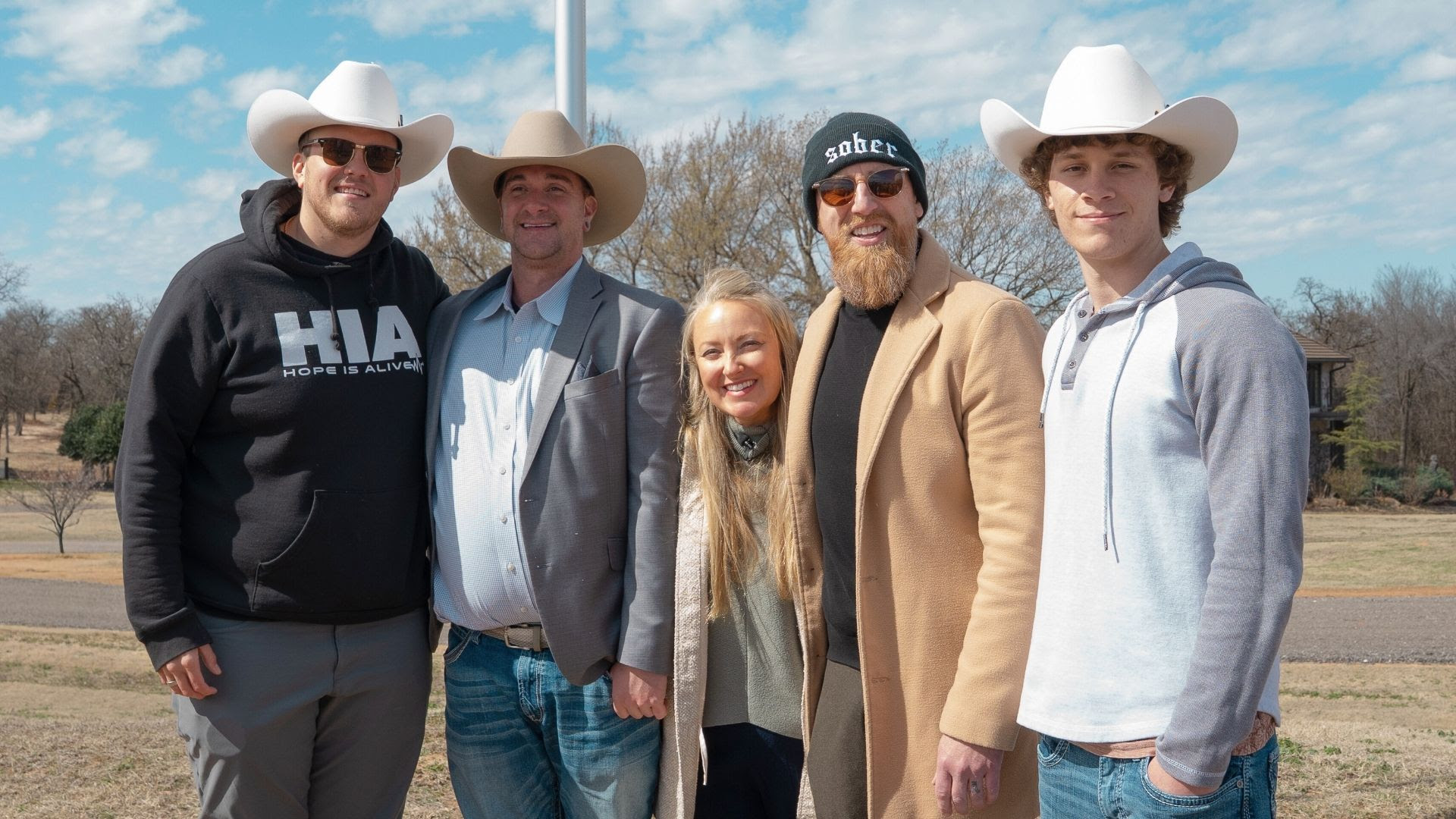
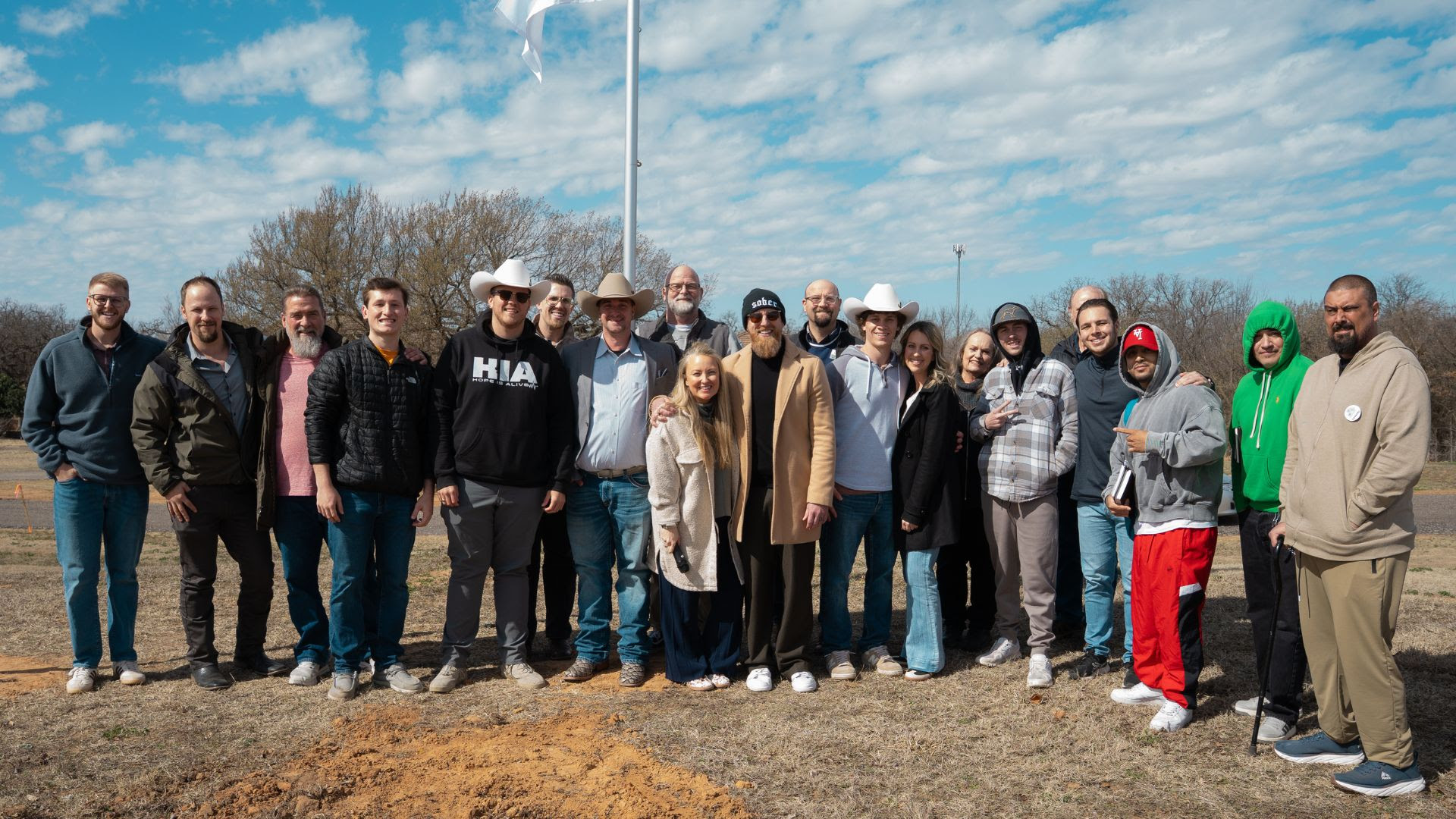
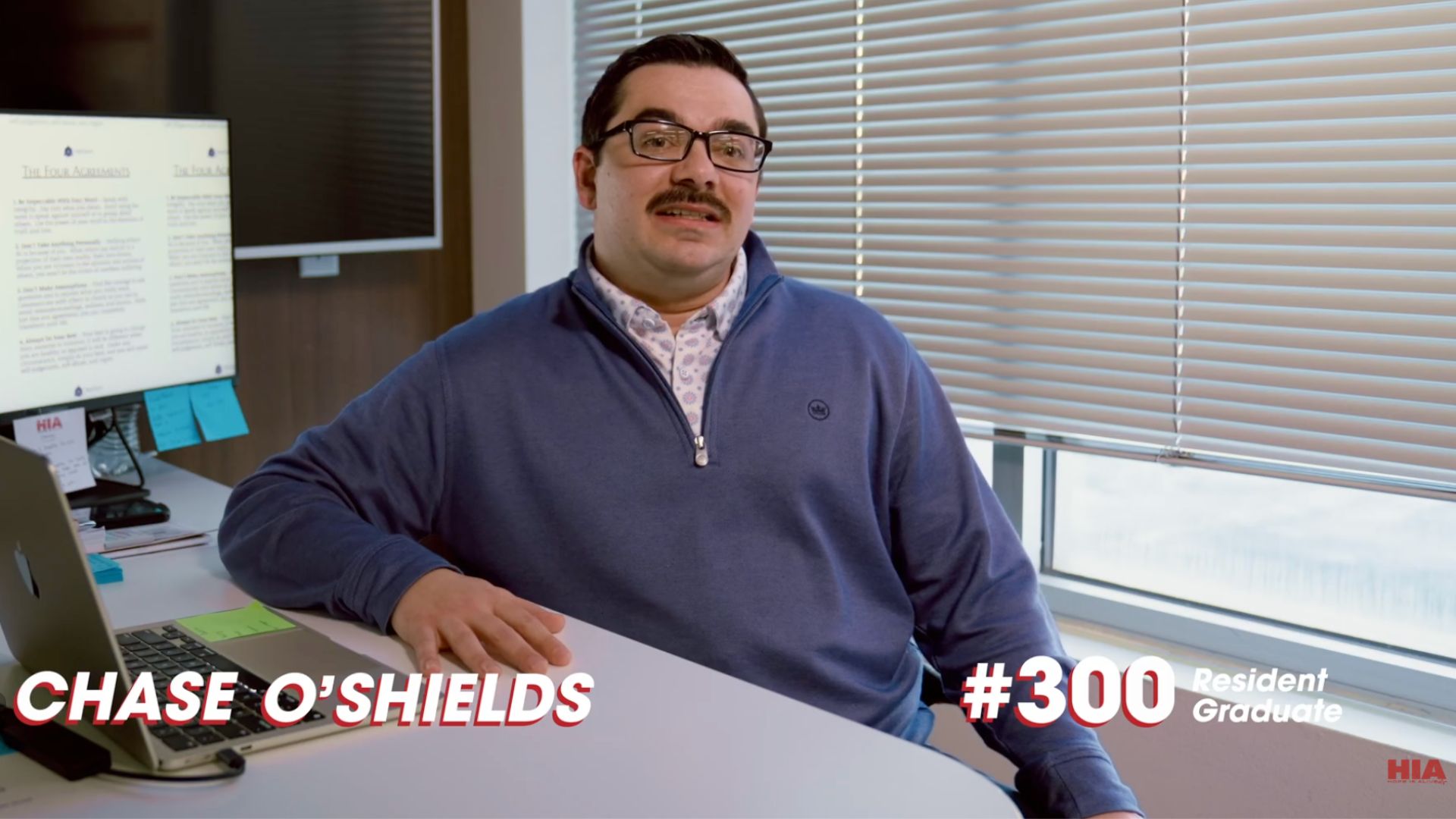
Hope is Alive recently celebrated the life transformation of the program’s 300th graduate, Chase O’Shields (pictured second from left).
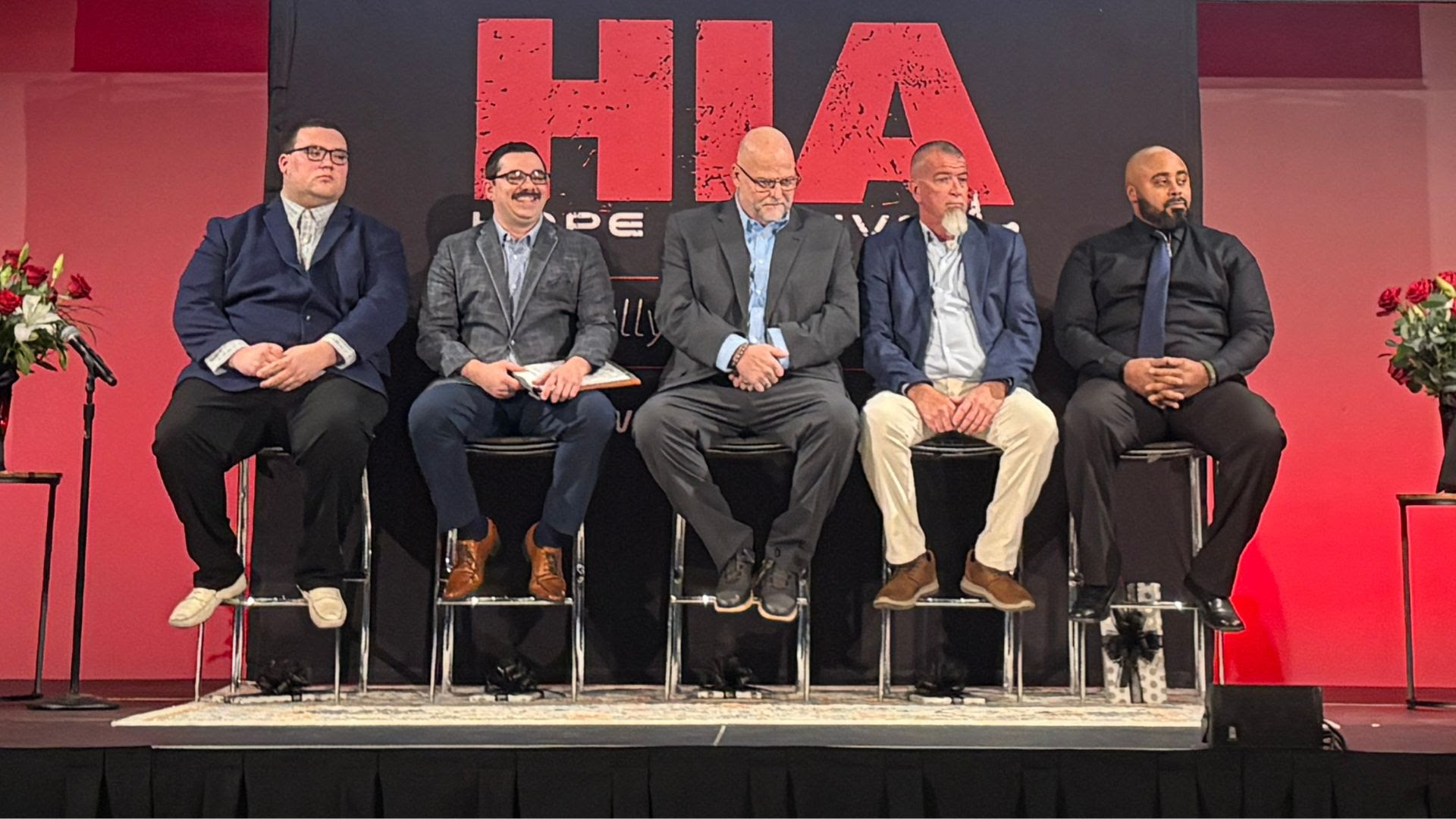
“If you give all you’ve got to this program, you won’t recognize your life when you graduate.”
This is our promise to residents in our program. And for graduate Chase O’Shields, this promise is no longer just a hope for the future — it’s his reality.
Watch the video below to hear from Chase!
We help with substance abuse! Reach out today to see how we can help you!