Support the vision at Hope Is Alive? Give a donation.


When someone decides to seek help for a substance use disorder, one of the first questions they face is: What kind of treatment do I need? With so many recovery options available, it can be difficult to understand the difference between inpatient treatment and sober living—and even more challenging to know which path is right for you or your loved one.
While both play important roles in recovery, they serve very different purposes.
Inpatient treatment, also known as residential treatment, is a structured program where individuals live at a treatment facility while receiving intensive clinical care. These programs are designed to help people safely begin recovery, often immediately following detoxification.
During inpatient treatment, participants typically receive:
The primary goal of inpatient treatment is stabilization. It provides a safe environment away from outside triggers while individuals begin addressing the physical, emotional, and psychological aspects of addiction.
Most inpatient programs last anywhere from 30 to 90 days, depending on individual needs and treatment recommendations.
Sober living is a structured, substance-free living environment designed for individuals who have completed treatment or are seeking accountability while pursuing recovery.
Unlike inpatient treatment, sober living does not provide around-the-clock clinical care. Instead, it focuses on helping residents apply recovery principles in everyday life while surrounded by a supportive community.
Residents typically:
The goal of sober living is to bridge the gap between treatment and independent living, providing a supportive environment where individuals can practice recovery in real-world situations.
Inpatient treatment offers intensive clinical services and medical oversight. Sober living provides structure and accountability but does not replace professional treatment services when they are clinically necessary.
Individuals in inpatient treatment typically follow a highly structured schedule with limited outside access. Residents in sober living generally have greater independence, allowing them to work, attend school, reconnect with family, and participate in community life.
Most inpatient treatment programs have a defined duration. Sober living allows individuals to remain in a supportive environment for an extended period, often giving them the time needed to build confidence and stability in recovery.
One of the biggest misconceptions about recovery is that treatment alone is enough.
Research consistently shows that recovery outcomes improve when individuals remain engaged in supportive recovery environments after treatment. While inpatient treatment helps people start their recovery journey, sober living helps them continue it.
Recovery doesn't end when someone leaves a treatment facility. In fact, many of the real-life challenges of sobriety begin after treatment ends. Returning to old environments, relationships, and responsibilities can create significant pressure during early recovery.
Sober living provides a safe space to navigate those challenges.
Not all sober living programs are created equal. While many recovery homes provide a safe, substance-free environment, Hope is Alive is built on the belief that lasting recovery requires more than simply abstaining from drugs and alcohol — it requires connection, purpose, accountability, and community.
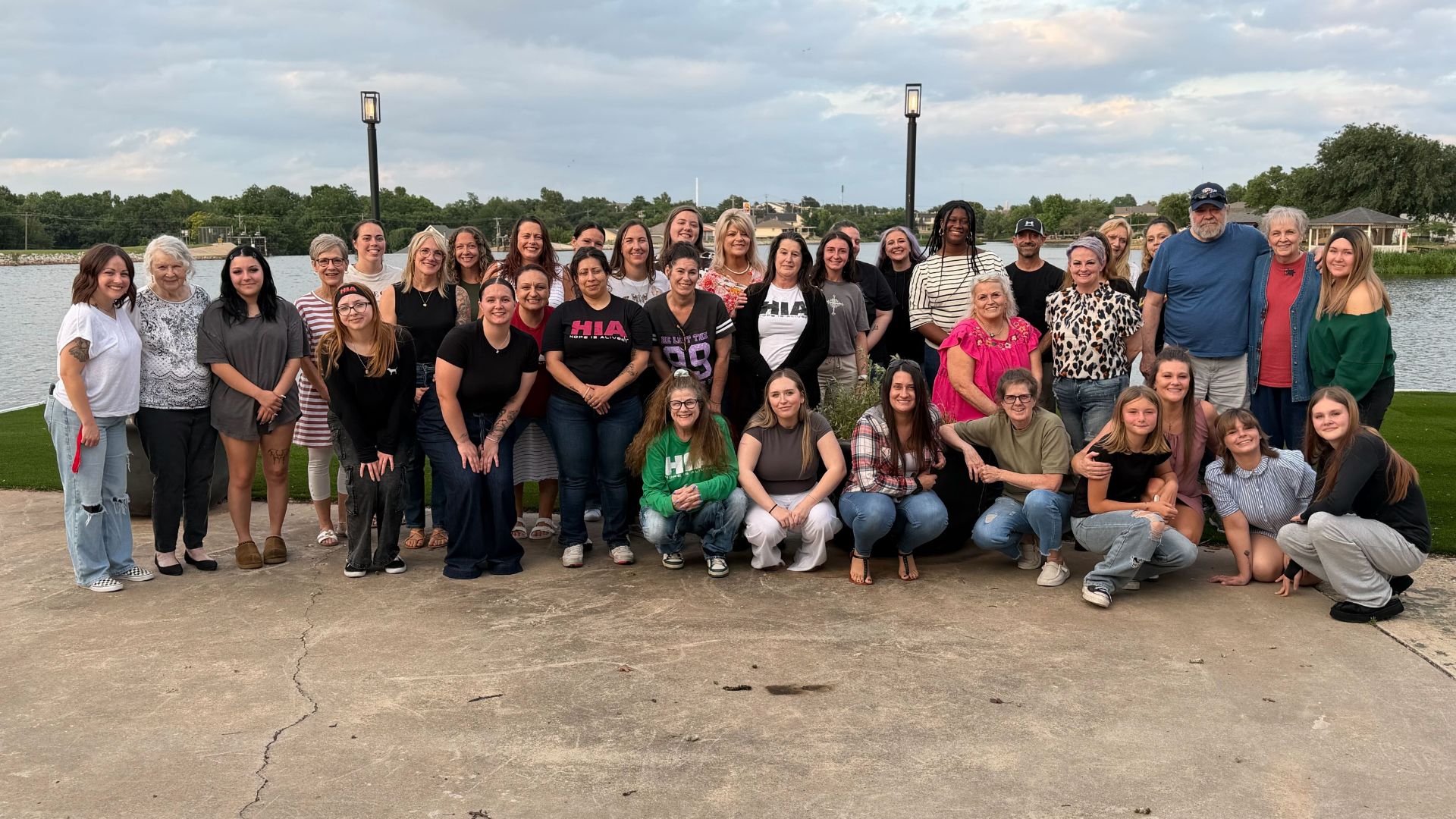
At Hope is Alive, residents become part of a family that understands both the challenges and victories of recovery. Our homes are intentionally designed to create an environment where individuals can grow spiritually, emotionally, relationally, and professionally while building a foundation for long-term success.
One of the biggest differences between Hope is Alive and traditional sober living programs is the level of structure and support available to residents. Recovery isn't left to chance. Every aspect of the program is designed to help individuals build healthy habits and sustainable lifestyles.
From day one, residents are immersed in a recovery-focused community where accountability and connection are part of everyday life. They participate in regular house meetings and Bible studies, work closely with house leadership, and develop relationships with peers who understand the challenges of early recovery.
Residents are expected to actively engage in their recovery by attending recovery meetings, building relationships with sponsors or mentors, and creating healthy routines that support long-term sobriety. Rather than simply providing sober living housing, Hope is Alive creates an environment where recovery becomes a lifestyle.
To set up residents for long-term success, Hope is Alive encourages and equips residents to pursue employment, education, personal goals, and community service. Learning how to manage finances, maintain responsibilities, rebuild trust, and navigate everyday challenges without substances is an important part of the recovery process.
Hope is Alive is committed to walking alongside individuals for the long haul. Recovery is not viewed as a short-term program but as a lifelong journey. While treatment may focus on helping someone get sober, Hope is Alive focuses on helping people build lives they are excited to live sober.
If you or a loved one is exploring sober living options after treatment, contact Hope is Alive today to learn more about our recovery housing program and how we help individuals build lasting recovery.