Articles & Resources
Explore articles and resources designed to bring encouragement, insight, and hope for every step of the recovery journey.
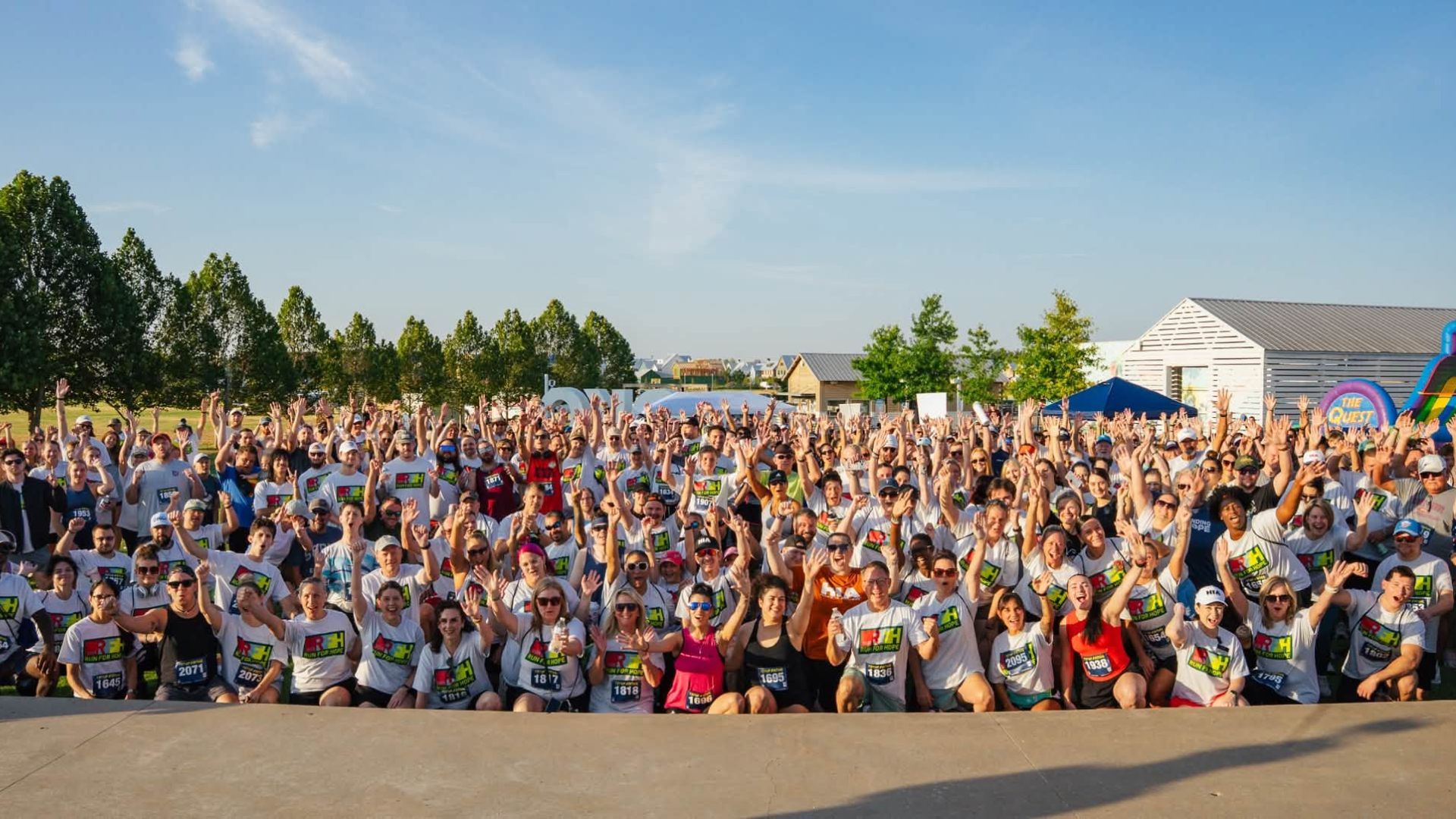
1,501 Strong: Hope is Alive’s 2026 Run for Hope

1,501 Strong: Hope is Alive’s 2026 Run for Hope
There are a lot of numbers we could use to tell you about this year’s Run for Hope.
685 people joined us in Oklahoma City, 344 in Tulsa, 162 in Weatherford, 156 in Colorado Springs, and another 154 participated virtually. Altogether, 1,501 people showed up this year, and we’re incredibly grateful for every single one of them.
But there’s another number from this year that means even more to us: 160. 160 lives lost to the impacts of addiction.
If you’ve been to Hope is Alive’s Run for Hope before, you know this isn’t just another 5K. Yes, people come to run and walk. But people also come because addiction has touched their lives in some way.
There are people running who are years into recovery and people who are just getting started. There are parents who spent years wondering if their child would ever get sober standing next to parents who would give anything for one more day with theirs. There are spouses, siblings, kids, friends, coworkers, and entire families who know firsthand what addiction can take from a person, but who also know what can happen when someone gets another chance.
That mix of celebration and remembrance is really what Run for Hope is all about.
We want to celebrate recovery because it deserves to be celebrated. We want people who are still struggling to see that there are thousands of people living full, meaningful lives on the other side of addiction. But we also want to make space for the families who have lost loved ones, because the people they lost were more than their addiction, and their lives deserve to be remembered.
This year, we got to do both alongside more than 1,500 of you.
Run for Hope keeps getting bigger, and of course we love seeing more people come out every year. But the reason we want it to grow has never been about having the biggest race or putting another number on a page.
We want more people to know that recovery is possible. We want more families to know there are people who understand what they’re going through. We want to keep remembering the people addiction has taken from us, while doing everything we can to make sure more people get the chance to recover.
So, to everyone who ran, walked, volunteered, donated, sponsored an event, brought your family, or simply came out to support someone you love, thank you. Thank you for helping us raise awareness about addiction.
The Difference Between Sobriety and Recovery
The Difference Between Sobriety and Recovery
If you've spent any time researching addiction treatment, you've probably heard the words sobriety and recovery used interchangeably. While the two are closely connected, they don't mean exactly the same thing.
So, what is the difference between sobriety and recovery?
Sobriety means abstaining from drugs and alcohol. Recovery is the ongoing process of changing the behaviors, thought patterns, relationships, and other areas of life affected by addiction.
Getting sober is an important first step. But for most people, long-term recovery requires much more than simply removing drugs or alcohol from their lives.
What Is Sobriety?
Sobriety, in its simplest form, means not using drugs or drinking alcohol.
For someone who has spent years struggling with addiction, reaching that point is a huge accomplishment. Removing substances from your life gives your body and mind an opportunity to begin healing and creates the foundation for everything that comes next.
But stopping substance use doesn't automatically change the rest of your life.
Someone can be completely sober and still struggle with dishonesty, anger, resentment, isolation, unhealthy relationships, impulsive decisions, or an inability to deal with difficult emotions.
That's because removing drugs and alcohol addresses the substance use itself. It doesn't necessarily address the reasons a person relied on those substances or the behaviors that developed alongside addiction.
What Is Recovery?
Recovery goes beyond simply not drinking or using drugs. It's the process of looking honestly at your life, recognizing the areas that need to change, and doing the work necessary to change them.
For many people, substance abuse didn't happen in a vacuum. Drugs and alcohol became a way of dealing with something else — stress, trauma, loneliness, insecurity, grief, fear, shame, difficult relationships, or simply not knowing how to handle life when it became uncomfortable.
When someone gets sober, those struggles don't automatically go away. But in recovery, people learn how to face them without returning to the same behaviors that once provided an escape. It means recognizing patterns in your own life that may have existed long before addiction ever took hold, and actively working to improve them.
Sobriety Is One Part of Recovery
Sobriety changes what you do. Recovery changes how you live.
In early recovery, staying sober may understandably be the primary focus. But it can’t be the only focus.
It's one thing to stay sober when you're surrounded by structure and everything is going well. It's another thing to stay grounded when you get a text that makes your blood boil, when someone brings up your past, when the paycheck isn't enough, when a relationship doesn't get repaired as quickly as you hoped, or when you've had a terrible day and every part of you wants to check out.
In case we haven’t made it clear enough, life is still going to happen after you get sober. People are still going to disappoint you. You're still going to get stressed out, angry, lonely, embarrassed, bored, overwhelmed, or hurt. There will still be days when things don't go your way.
And it’s okay!
You just need to be able to cope with things that are healthier than drugs and alcohol. In fact, learning how to walk through those days without going back to the way you used to cope with them is a huge part of recovery.
Recovery is learning to have the hard conversation instead of avoiding it. It's calling someone when you're struggling instead of disappearing for three days. It's realizing you're angry before you say something you'll regret. It's being able to hear something you don't like without immediately becoming defensive.
Sometimes it's even learning how to be bored on a Friday night.
These things probably won't make anyone's highlight reel, but they're a pretty big deal when you're learning how to live life without drugs or alcohol.
Community Is Part of Recovery
There are things about ourselves that are almost impossible to see on our own.
We can convince ourselves we're doing great when we've slowly started pulling away from everyone. We can justify an attitude, hold onto resentment, or blame someone else without realizing we're slipping right back into the same thinking that caused problems before. But if we have someone in our corner calling us out on these things? Well, we’re much more likely to address and correct them.
You need people who know you well enough to notice when something is off. People who will celebrate the wins with you but also love you enough to tell you the truth when you need to hear it.
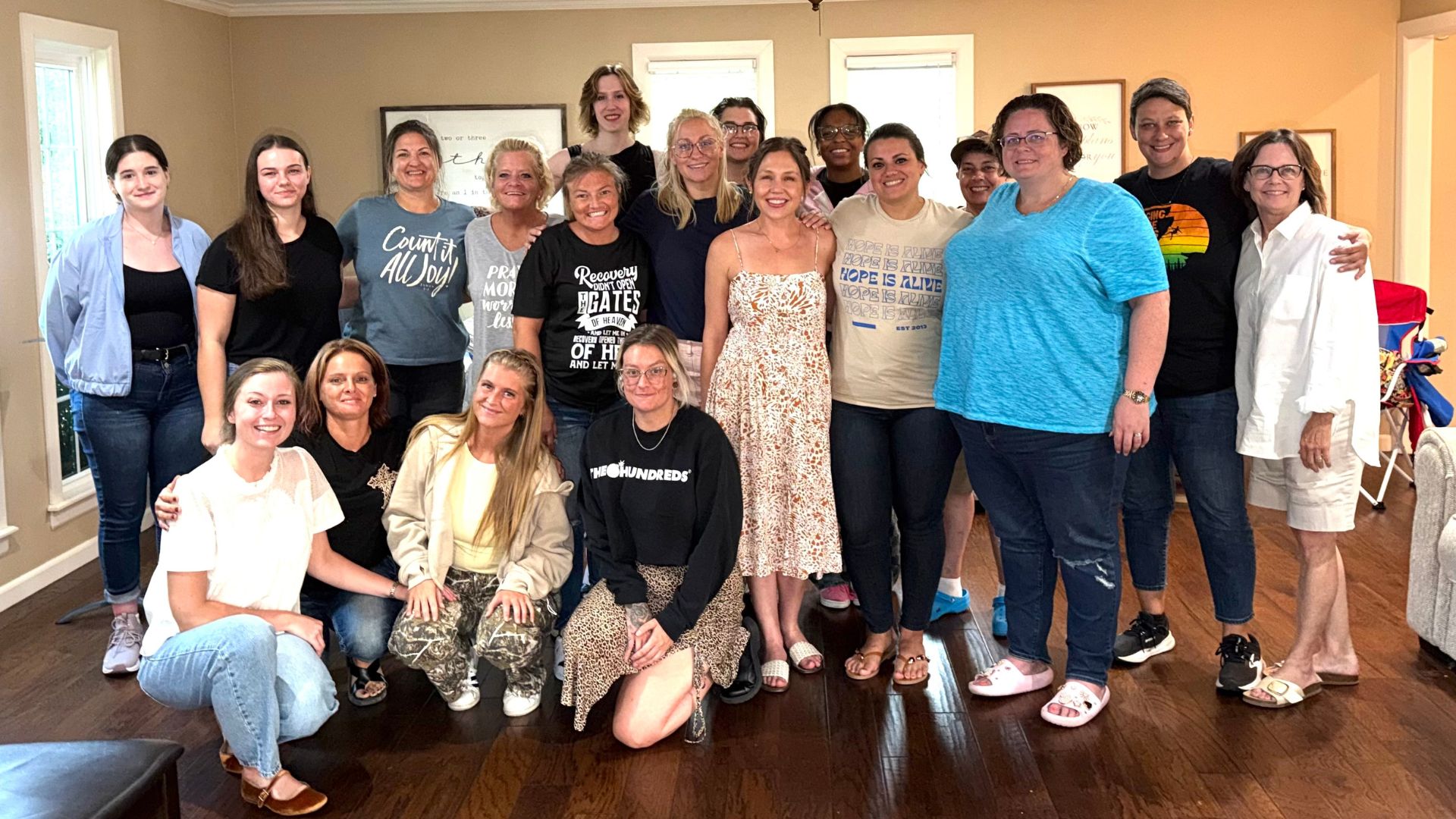
At Hope is Alive, that's what community looks like.
Some days you may be the person who needs someone to sit with you and remind you how far you've come. Other days, you'll be the one doing that for somebody else.
Both are recovery.
At Some Point, Recovery Becomes About More Than Addiction
There is something really special that happens when a person's world starts getting bigger again.
In the beginning, so much of your energy may go toward simply staying sober. That's necessary. But eventually, you start thinking about everything life has to offer sober you.
You start thinking about the kind of parent you want to be. The career you want to build. The friendships you want to have. The ways you can serve other people. Maybe you start dreaming again for the first time in years.
And eventually, you're not waking up every morning thinking about everything you're trying not to do. You're thinking about everything you get to do.
That's the kind of recovery we believe in at Hope is Alive.
We absolutely celebrate sober days. But we also celebrate restored relationships, new jobs, healthy marriages, graduations, baptisms, babies, promotions, hard conversations handled well, and people becoming the kind of friend, parent, spouse, employee, and leader they once thought they could never be.
We call it Radical Life Change because that's what we've watched happen.
Sobriety gives you the chance to stop living the way you were living. Recovery is what happens when you start discovering how good life can be on the other side.
Reclaim Your Purpose | Bible Reading Plan
Reclaim Your Purpose
Drug addicts, sex addicts, alcoholics, gamblers, the spiritually lost — we all share something in common: a lack of purpose. But through a relationship with Christ, we can reclaim that purpose and step into the life we were created to live.
In Christ, there is healing.
In Christ, there is freedom.
In Christ, there is purpose.
Start the plan here: Reclaim Your Purpose
What Not to Do After Rehab: 8 Mistakes That Can Put Your Recovery at Risk
What Not to Do After Rehab: 8 Mistakes That Can Put Your Recovery at Risk
There is a strange temptation after rehab to start measuring how quickly you can become a normal person again. Get a job. Fix things with your family. Make some money. Get your own place. Start dating. Catch up on everything addiction interrupted. After spending weeks or months with your life centered around recovery, it makes sense that you would want recovery to take up a little less space.
But that rush to get back to normal can create its own problems. The life you are returning to is not neutral. There are plenty of situations you haven't had to navigate sober yet. Even good things — more freedom, a paycheck, a new relationship, having people trust you again — can change the way you approach your recovery.
So, after rehab, the goal shouldn't be to prove how quickly you can move on from needing help. It should be to give yourself enough time to find out what your life actually looks like sober.
Knowing what not to do after rehab can be just as important as knowing what to do. Here are eight mistakes that can make recovery more difficult, and healthier choices you can make instead.
1. Don’t Assume Rehab “Fixed” Everything
One of the biggest mistakes after treatment is believing the work is finished. Rehab can give you tools, perspective, stability, and a strong foundation. But long-term recovery is built through much more than that.
Recovery requires continued growth. That often includes meetings such as AA, counseling, a recovery program, accountability, spiritual development, healthy routines, and connection with other people in recovery.
Instead of thinking, “I finished treatment, so I’m good,” consider asking: “What am I doing today to strengthen my recovery?”
2. Don’t Go Back to the Same Environment Without a Plan
Returning to familiar places and relationships can also mean returning to familiar triggers. Old friends, neighborhoods, routines, and environments may be closely connected to substance use. Going straight back into those situations without boundaries or support can create unnecessary risk.
Sometimes protecting your recovery means changing where you spend your time. It may mean ending certain relationships, avoiding particular places, or finding a sober living environment where recovery is supported.
You don’t have to prove that you can handle every trigger. Protecting your recovery is more important than proving a point.
Learn more about triggers in addiction recovery here!
3. Don’t Isolate
Isolation can happen quickly after rehab. Maybe you are embarrassed about where you have been. Maybe you feel behind compared to everyone else. Maybe you are tired of talking about recovery and just want to get on with your life. Whatever the reason, pulling away from people is rarely helpful.
You need people who know you well enough to notice when something is off. You need people you can be honest with before a bad day turns into a bad week. That could be people you met in treatment, a sponsor, a counselor, your family, people at church, or the recovery community around you.
At Hope is Alive, community is a major part of what we do because we have seen what happens when people stop trying to recover by themselves. Having the right people around you does not make recovery easy, but it does make it much more difficult to disappear when you are struggling.
4. Don’t Try to Make Up for Lost Time
Addiction can take years from someone’s life, and it is natural to want those years back. After rehab, you may look around and see friends buying homes, building careers, getting married, raising families, or simply appearing further along in life than you feel. That can create pressure to catch up as quickly as possible.
The problem is that recovery does not need to happen on anyone else’s timeline. Taking on a demanding job, moving out on your own too soon, making major financial commitments, or trying to repair every part of your life at once can add stress before you have learned how to handle that stress sober.
There is nothing wrong with wanting more for your life. In fact, that is one of the best parts of recovery. Just give yourself permission to build it at a pace that allows you to keep it.
5. Don’t Expect Trust to Come Back as Quickly as Sobriety
You may know that you are different when you leave treatment. Your family may still be waiting to see it.
For someone in early recovery, that can feel unfair. You are doing what everyone asked you to do, but those around you still do not completely believe what you tell them. It is important to remember that they experienced your addiction too, just from a different side of it.
Instead of trying to convince them you are different with words, try doing it with actions. Showing up when you say you will, being honest when it would be easier not to be, keeping commitments, and accepting boundaries gives the people in your life a chance to experience the person you are becoming and witness the change that has happened firsthand.
6. Don’t Avoid Responsibility Because You’re “Focusing on Recovery”
Recovery deserves to be a priority, but it should eventually make you more capable of participating in life, not less. Paying bills, doing chores, keeping commitments, helping other people, and being where you said you would be are all part of learning how to live differently.
Granted, returning to a completely “normal” life right after rehab is not something that you should do. Early recovery takes time, and taking on too much responsibility too quickly can create unnecessary stress. However, avoiding responsibility altogether can make the transition from rehab to everyday life more difficult in the long run.
Instead, look for ways to gradually take ownership of your life again. That might mean finding a manageable job (even if it’s just part-time), creating a budget, contributing at home (cooking, cleaning, running errands, etc.), keeping appointments, or simply following through when you tell someone you are going to do something. These everyday responsibilities give you opportunities to practice the habits you started building in treatment.
7. Don’t Make Every Decision Based on How You Feel That Day
There will be mornings when you are excited about recovery and mornings when you are not. There will be days when you love your job and days when you want to quit. You may feel close to your recovery community one week and annoyed by everyone the next. That is normal. Feelings change.
Just don’t make impulsive decisions based on those emotions. If you get frustrated with someone, don’t cut them out of your life. If you have a bad week at work, don’t quit. If recovery is going great, don’t quickly decide that less accountability and more freedom will lead to more growth.
Instead of acting impulsively, take a few days to talk to other people about it, pray about it, and truly think through your options and what can happen as a result of each.
One of the things you get to learn in recovery is that you can feel something without immediately acting on it. Give important decisions some time. A bad day does not always require a life change.
8. Give Yourself Somewhere Healthy to Go Next
One of the most important questions to answer before leaving rehab is simple: What happens next? Going home without a plan and hoping everything works out puts a lot of pressure on someone who is still learning how to live differently.
That next step will look different for everyone, but it should include structure, accountability, healthy relationships, and continued support. For many people, that is exactly what recovery housing or sober living provides. Rehab can help you get started, but you still have a life to build when you leave.
If you or someone you love is preparing to leave treatment and needs a supportive place to continue recovery, Hope is Alive is here to help. Learn more about our recovery homes and what the next step could look like by clicking the button below.
10 Prayers for Moms of Addicts | Bible Reading Plan

.jpg)
10 Prayers for Moms of Addicts
If you're a mom watching your child struggle with addiction, this reading plan is for you. Over the next 10 days, you'll find Scripture and prayers for the difficult emotions that often accompany loving a child trapped in addiction. Whether you're carrying fear, guilt, exhaustion, anger, or heartbreak, know that you're not alone.
Start the plan here: 10 Prayers for Moms of Addicts
Finding Hope Phrases: Faith-Filled Encouragement for Addiction Recovery
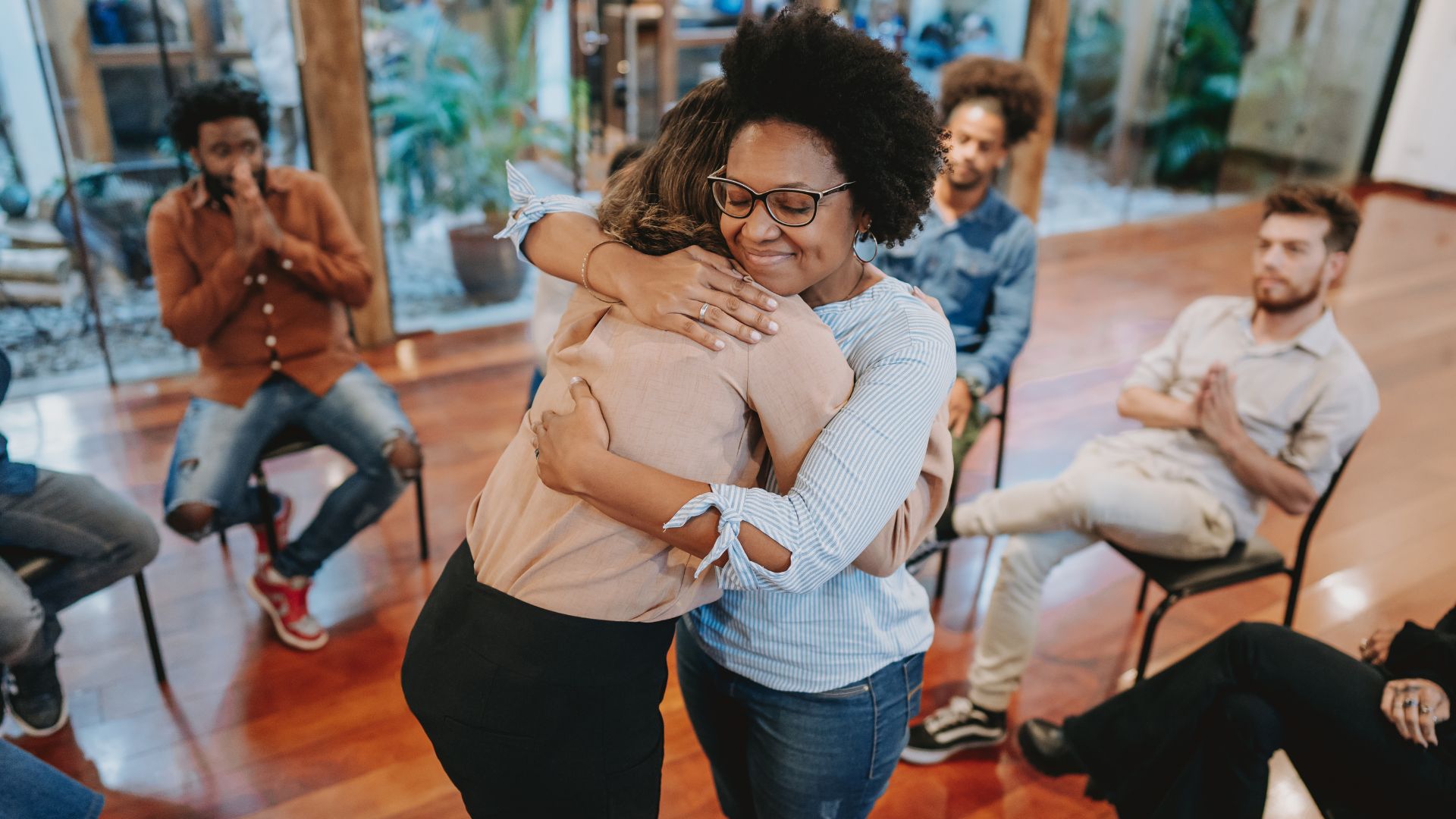
Finding Hope Phrases: Faith-Filled Encouragement for Addiction Recovery
When someone you love is struggling with addiction, it’s natural to focus your energy on helping them change. But one of the most important lessons in recovery for families of addicts is that healing often begins when we stop trying to control someone else’s recovery and allow God to work in our own hearts.
These five Christian recovery phrases can help you find peace, practice healthy boundaries, surrender what you cannot control, and trust God — even when your circumstances haven’t changed.
"Expectations are premeditated resentments."
When our hope is built on someone else’s behavior — when we expect them to behave a certain way — disappointment usually follows. God never asked us to place our hope in people. Instead, He asked us to place it in Him.
Take a moment to ask yourself:
- What expectations have I placed on my loved one?
- Have they turned into resentment?
- What would trusting God look like instead?
"You have to grieve the person before the drugs or alcohol."
This doesn’t mean giving up hope. It means accepting reality. Many of us are still holding onto who our loved one was before addiction. Grieving that loss helps us stop fighting what is and begin healing.
Acceptance is not approval. It’s simply acknowledging the truth.
"You are not God. You do not have that much power."
This was one of the most freeing truths I ever learned: I didn’t cause the addiction. I can’t control it. I can’t cure it. And neither can you.
"Focus on the next step, not the whole staircase."
Healing rarely happens all at once. Sometimes the bravest thing you can do is simply get through today. One prayer. One boundary. One meeting. One step. God doesn’t ask us to climb the whole staircase today — just to trust Him with the next step.
"You don't get it unless you've lived it."
One of the greatest gifts of Finding Hope is community. So much healing happens because you are surrounded by people who truly understand. They don’t have all the answers, but they’ve lived through the same questions.
For more information, visit:
Faith-based support groups for families of addicts and alcoholics.
2026 Run for Hope: Remembering Lives Lost to Addiction

2026 Run for Hope: Remembering Lives Lost to Addiction
At Hope is Alive’s Run for Hope, families and friends come together each year to honor and remember loved ones lost to addiction. In 2026, new names will join those already carried in the hearts of the Run for Hope community, each representing a person who was deeply known and deeply loved, and who is deeply missed.
To help tell their stories, we asked family members and friends to share what they want others to know about the people they lost. Their words offer glimpses of who these individuals were beyond addiction: sons and daughters, parents and siblings, spouses and friends; people with humor, talents, dreams, quirks and an ability to leave lasting impressions on those around them.
The stories that follow introduce those being honored for the first time at Run for Hope in 2026. They are not the only lives remembered through this event, but they are the newest stories being added to a growing legacy.
Tulsa
Toya Lollis
Toya was such a beautiful person, always the light in the room and spreading love wherever she went.
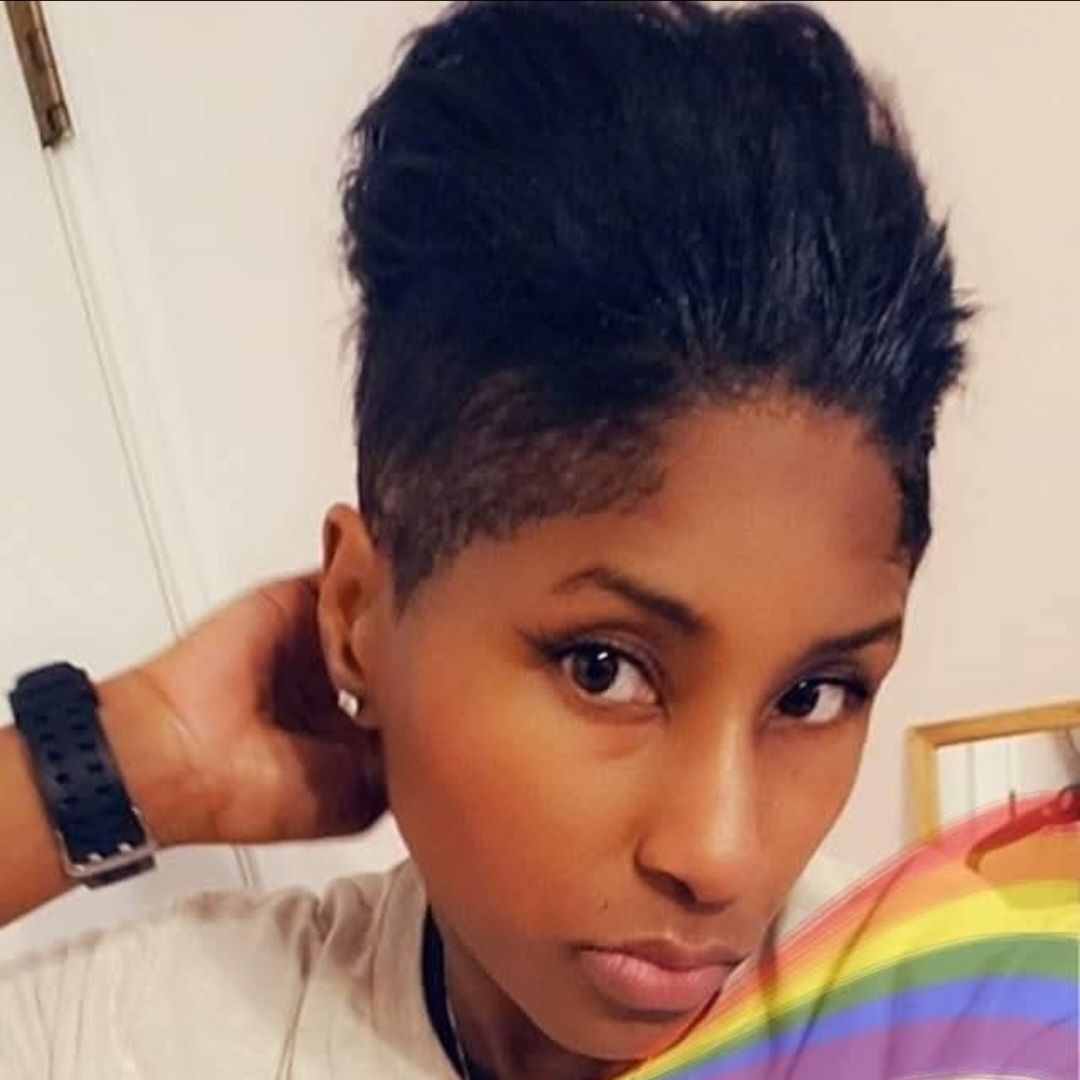
Gabriel Santiago Lopez
Gabe was so loved by many! He had multiple years clean and was involved in a 12-step program. He was vibrant, passionate, and full of life. He was very proud of his Puerto Rican heritage and had a dream of starting his own business. He is missed dearly.
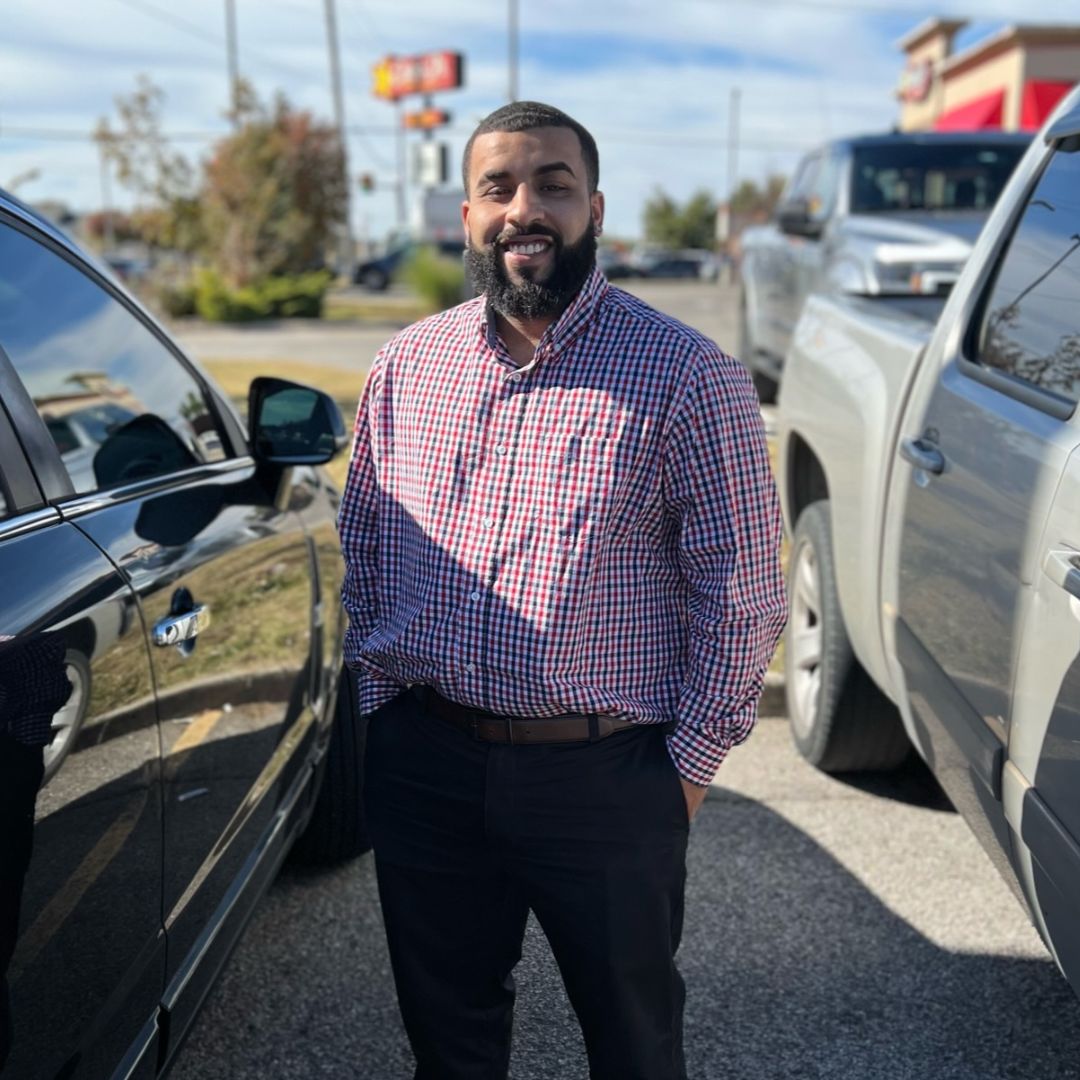
Cory Conrady
Cory was such a funny guy. I am his only sibling, and we would constantly argue about who was funnier. He loved people. He was a very active member of the AA community. He had reached about seven years of sobriety.
Since his passing, I have heard so many amazing stories about how he helped people struggling with addiction alongside him. He would always visit sober living homes and take them pizza or leftovers from a family gathering we had. Sometimes he would even bring a member over to a holiday event if they didn't have anywhere to go, and we welcomed them with open arms.
He was just an amazing human, and we miss him dearly. He fought like hell to get sober and achieved it. Even though addiction eventually got him in the end, we are so proud of him for the fight he put up and hope that it encourages others.
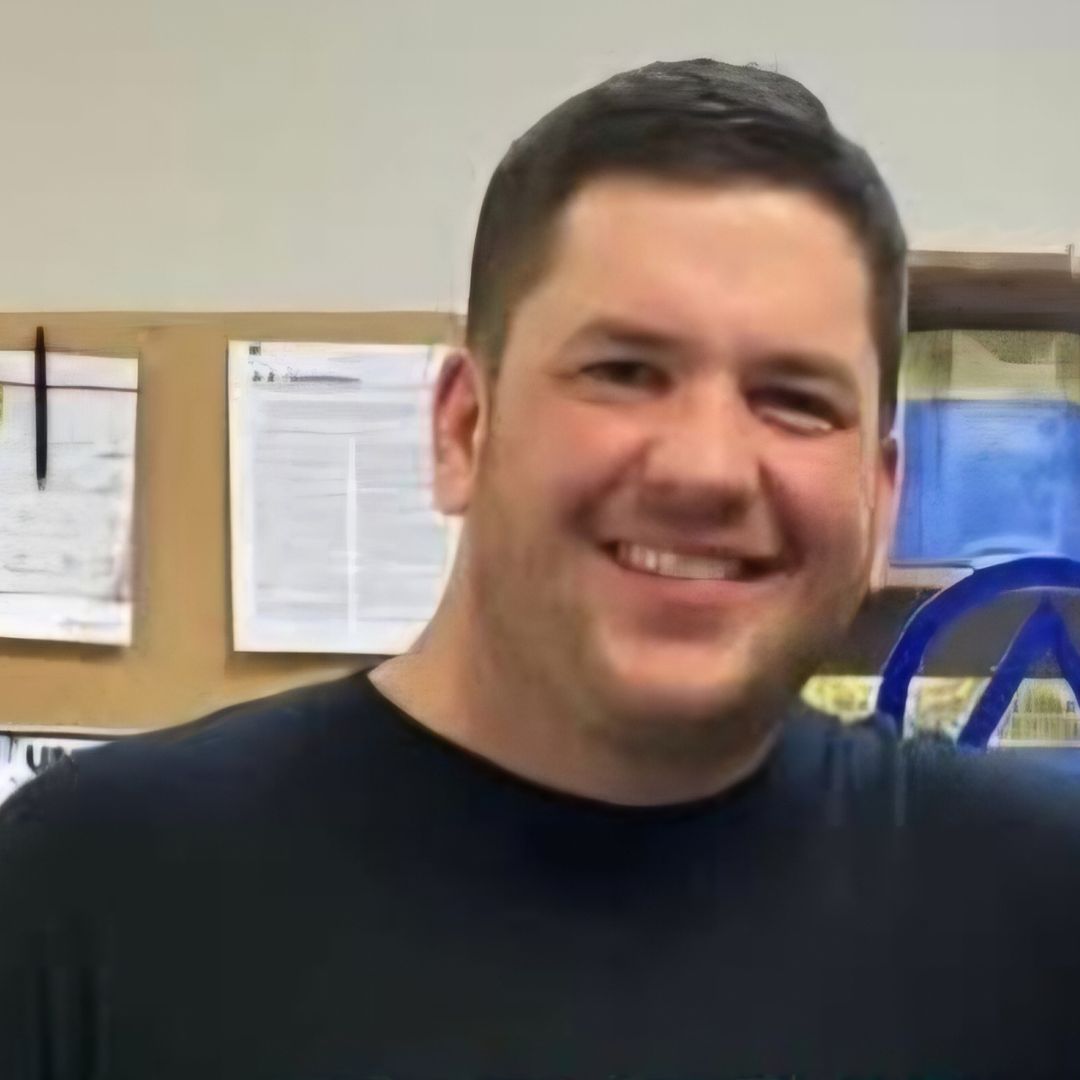
Jordan Birmingham
Jordan always brought laughter to the room. He wanted everyone to feel loved!
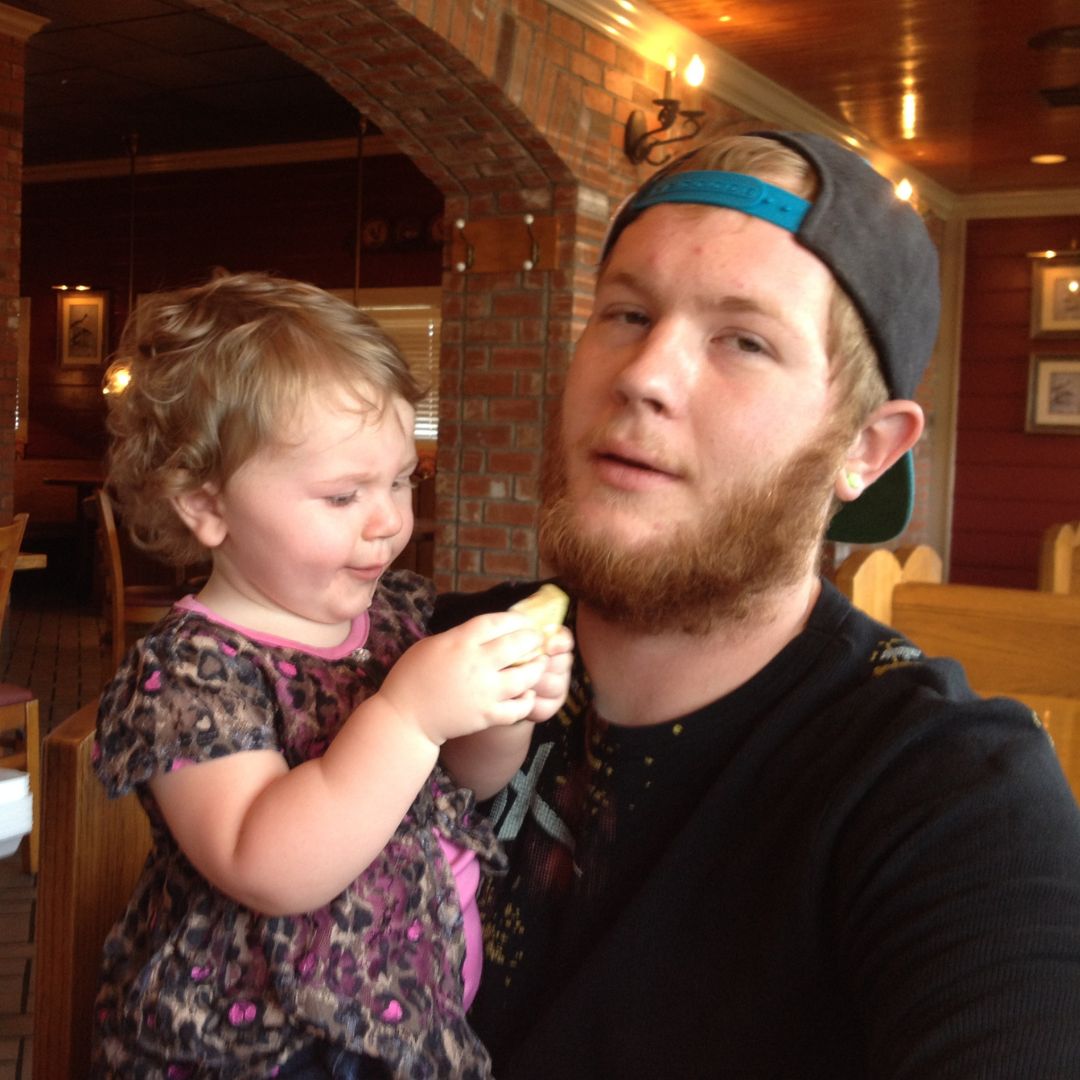
Chase S. Leapline
He was an animal lover, a giver, a musician, an actor, a very hard worker — he could have been a great asset to this earth, but he never had a chance.
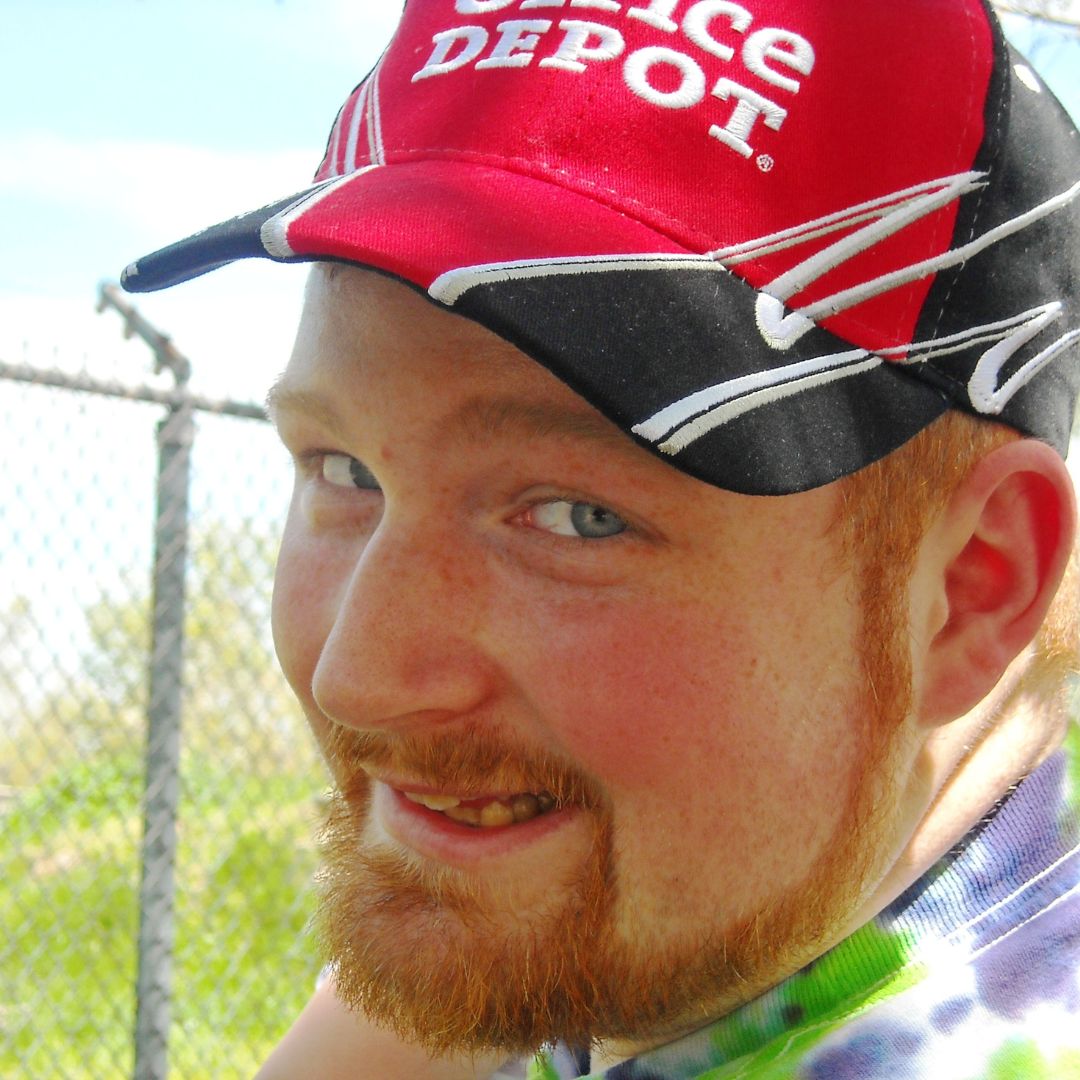
Joshua Duckworth
Joshua lived life to its fullest. He was always well-dressed and had a heart of gold! He was a beautiful soul!
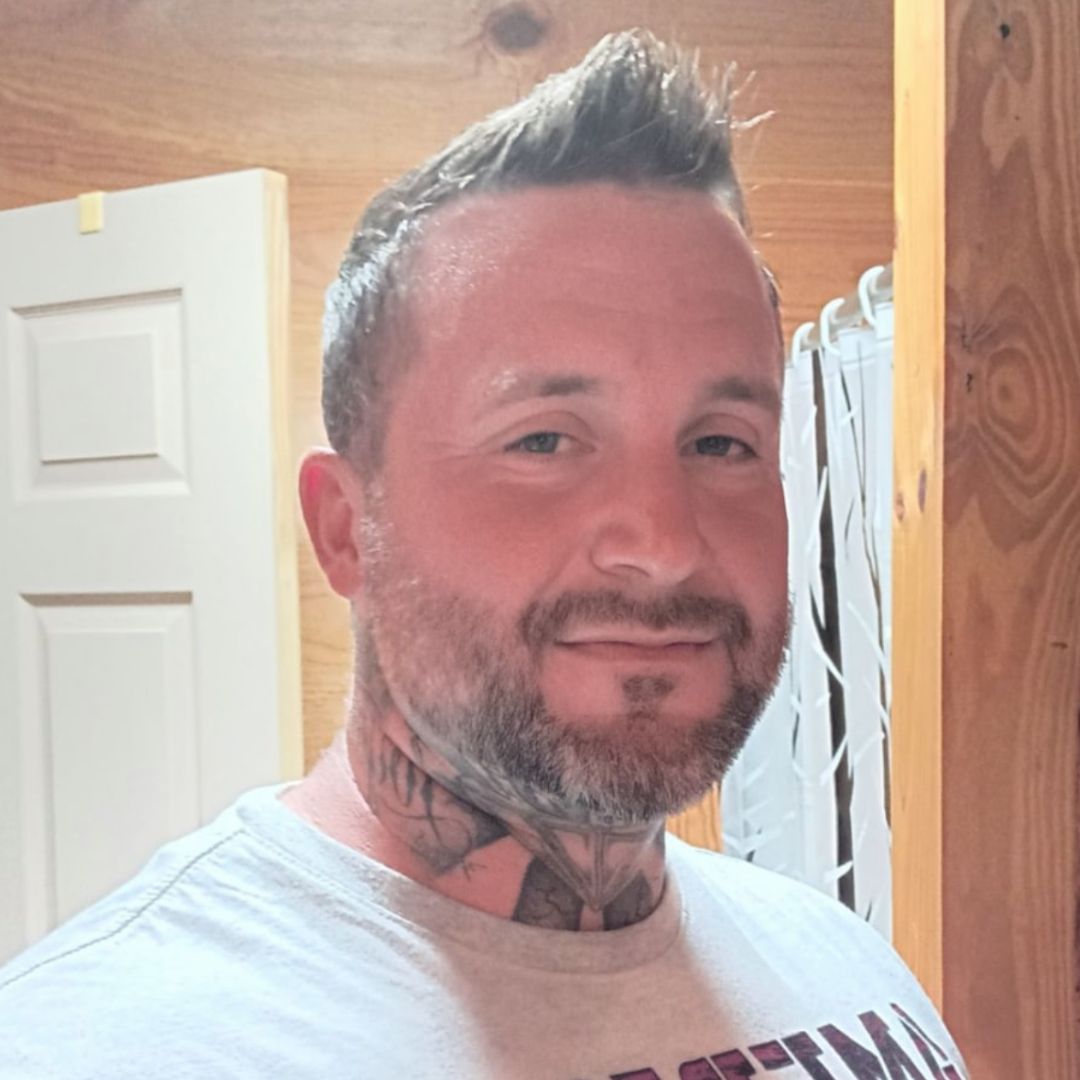
Cordell Barnes
He loved pulling jokes on his family and friends. One time I was getting ready to go somewhere, and he put a rubber band around the sprayer of the kitchen sink so that every time I turned the water on, I would get sprayed. He did that to me three times on the same day, and I kept falling for it. Every time, I had to redo my makeup and my hair. We both just laughed and laughed.
He loved to get together with his sister and tease her and get with his brother and cousins to do so many crazy things. He was smart, loving, thoughtful, mannerly, hard-working, talented — he was so many wonderful things. He is greatly missed.
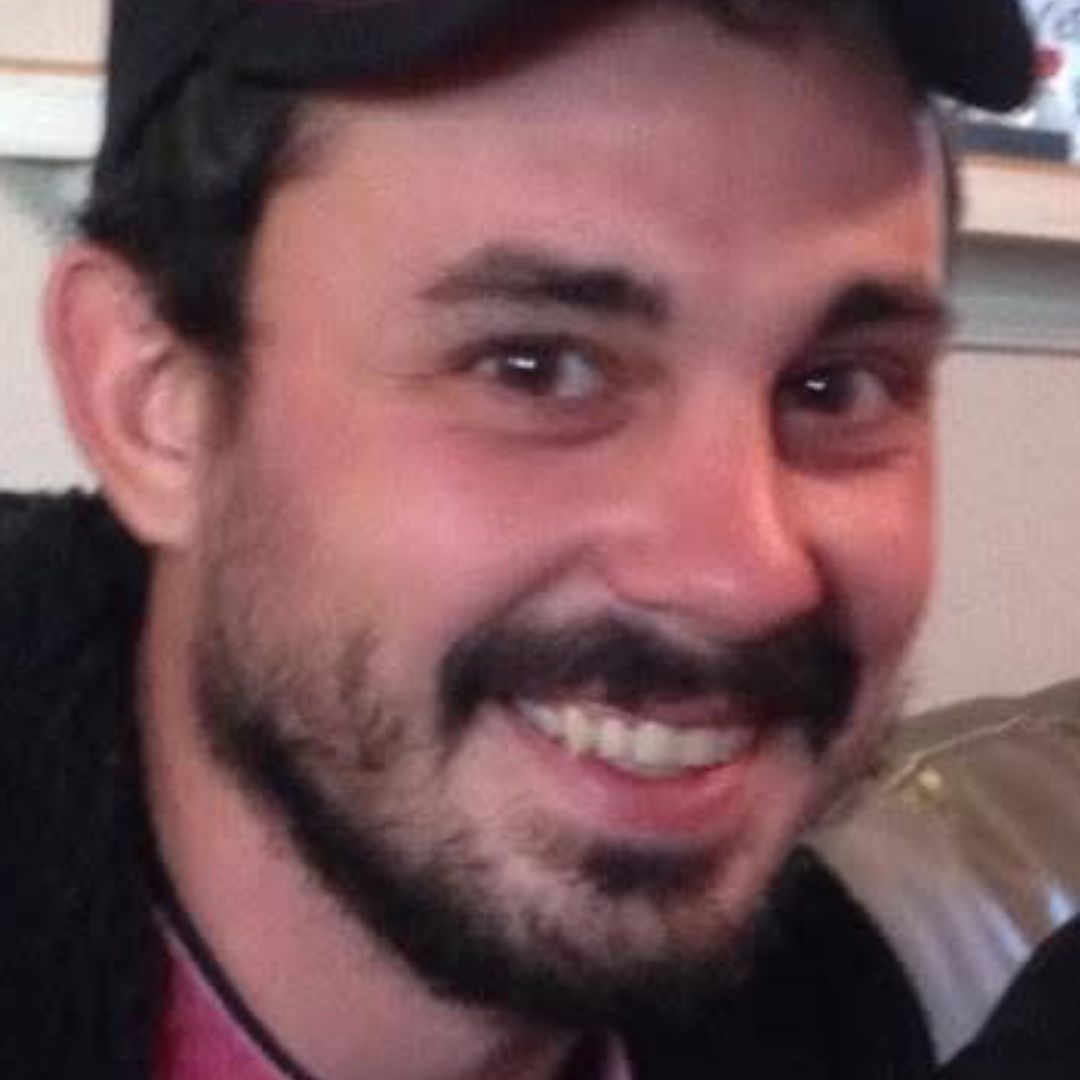
Jacob Harrison
A story about my Jacob… We were headed on a trip and stopped for gas, restroom, and snacks. I sent him in for snacks while I pumped gas. I was waiting in the car, and he walked out shirtless and shoeless. I was like, “What is going on?” as a guy walked past the car, hugged him, and said thanks while wearing my son’s shirt and shoes. He got in the car, and I asked him who that was. “Oh, that’s x. I met him in the bathroom line. He has a big interview today and was a mess. I got him some deodorant and a comb, gave him my shirt and shoes, and helped him get ready.” How do you get mad at a helping heart?
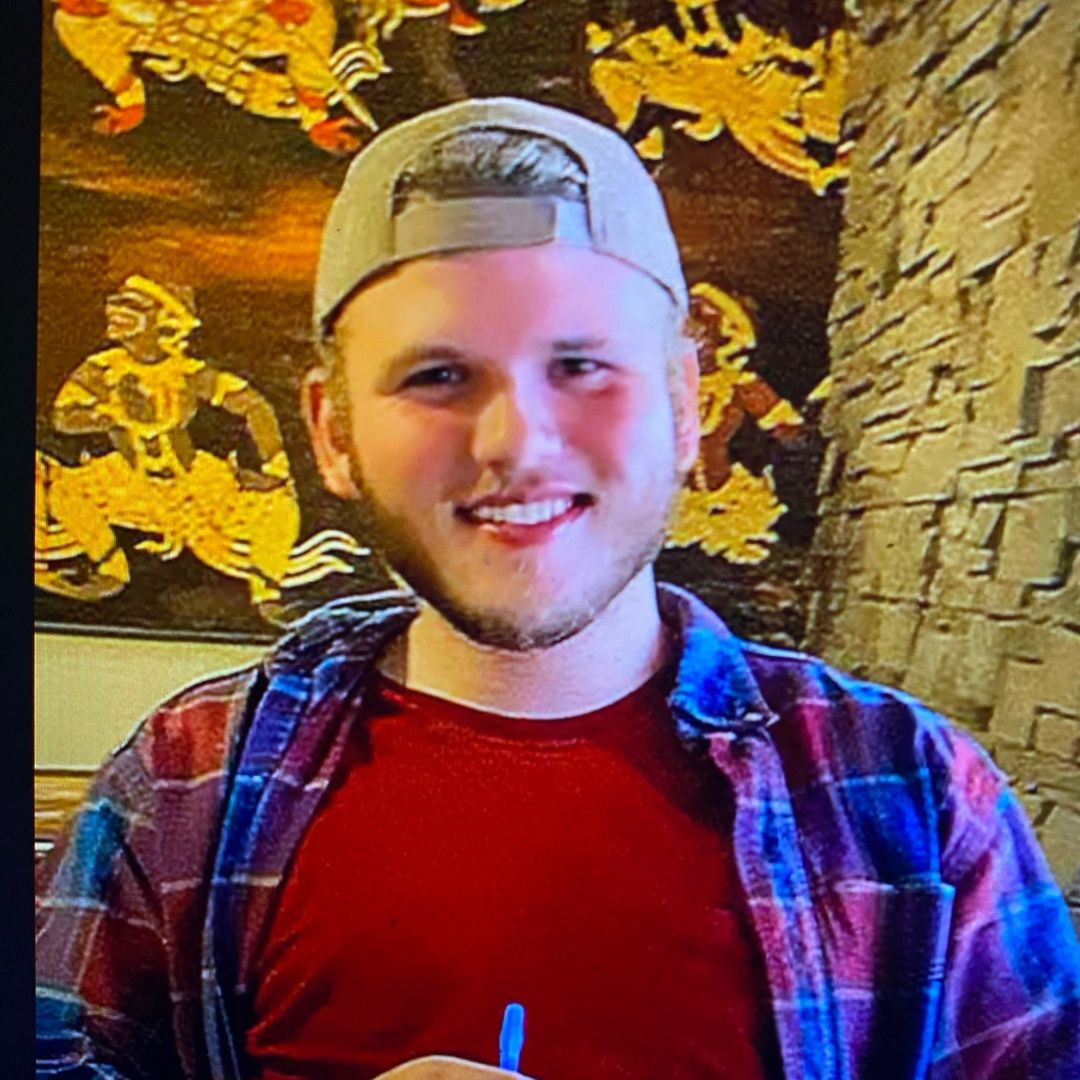
Bradley Cross
Bradley had the biggest heart and was a talented carpenter, mechanic, welder, and plumber. Bradley loved to fish, play soccer, OU, the Thunder, and music. He loved his family more than anyone knows. Bradley was a country boy at heart and would drive dirt backroads at night to watch fireflies, look at the stars, and find the ideal spot to stop and two-step in front of the headlights on his truck.
Weatherford
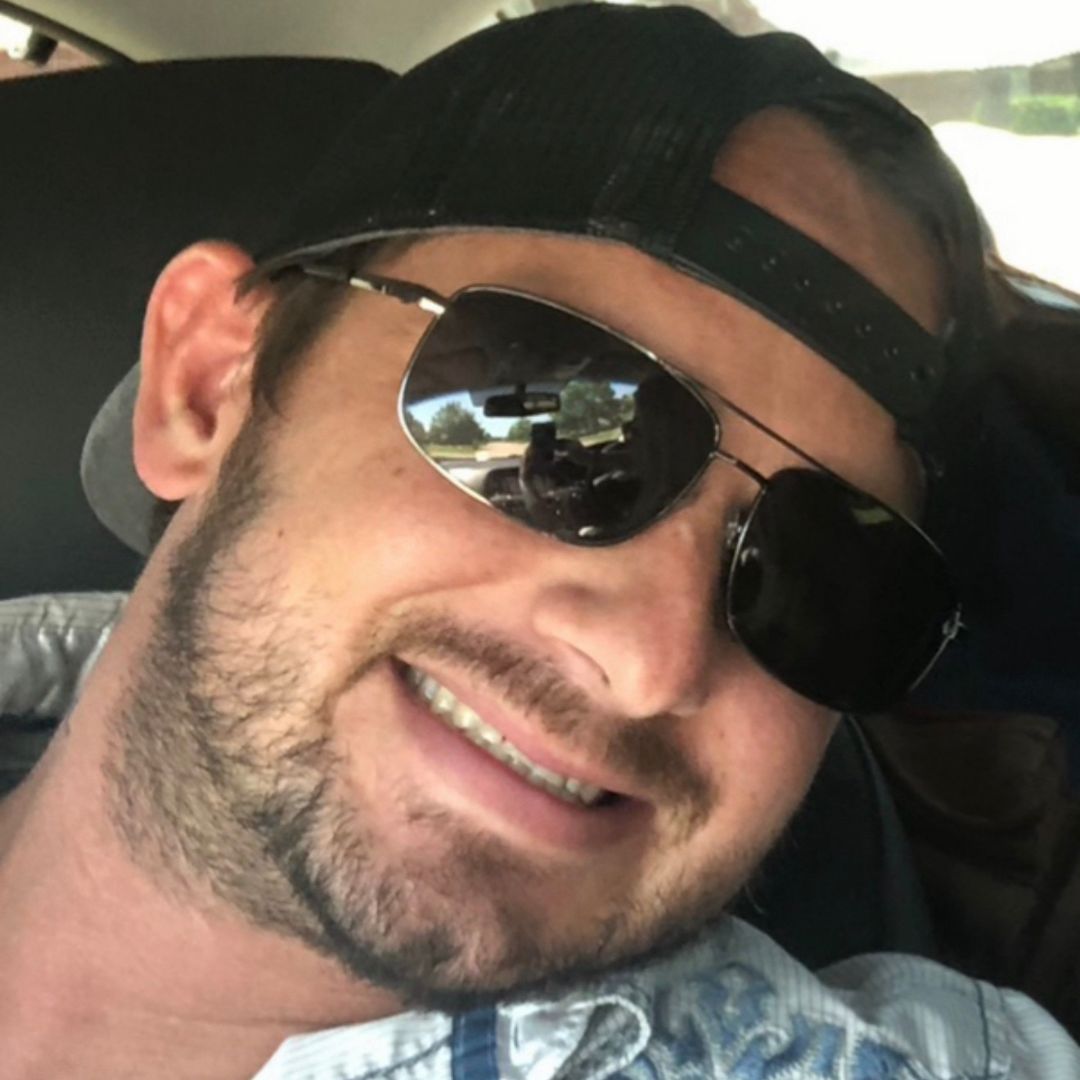
Mark Breeding
Mark was a bigger-than-life personality. Karson is his only child. She has autism (Asperger's) and had a special bond with her father. She calls him her “hero.” Even though Mark’s addiction was a struggle for Karson’s entire life, their unique relationship always included funny moments! She is honoring her dad by running in his memory! She wants everyone to know that he was so special and his memory is love.
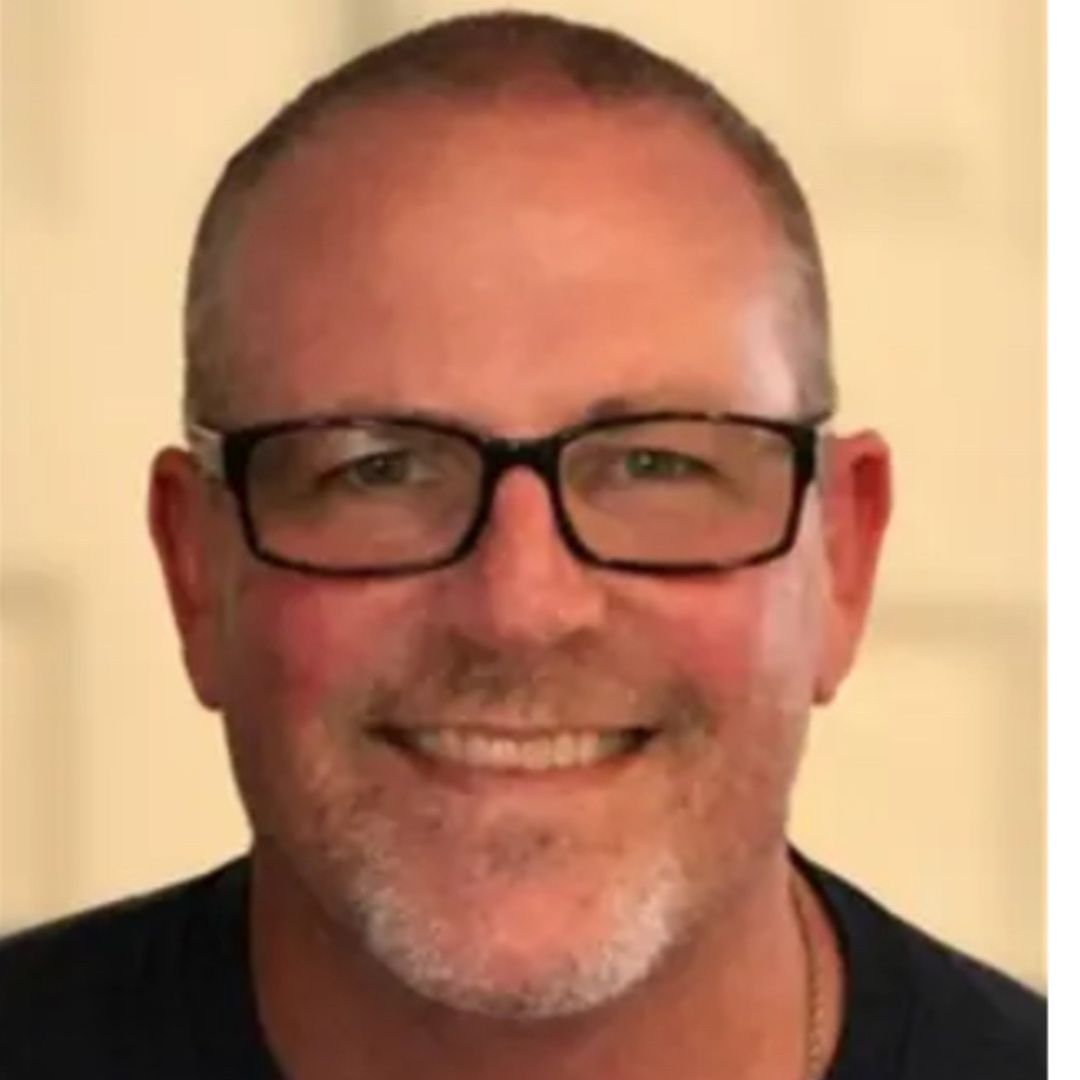
Charla Cummings
My sister, Charla, was so full of life and lived every minute, letting everyone know that she did just that. She loved everyone and didn’t know a stranger. You wouldn’t have known her as a stranger even if you tried. She wore her heart so everyone could see it. My sister fell into addiction at the age of 16 and lost her life to an overdose at the age of 24, leaving behind three beautiful children, the youngest being four months old.
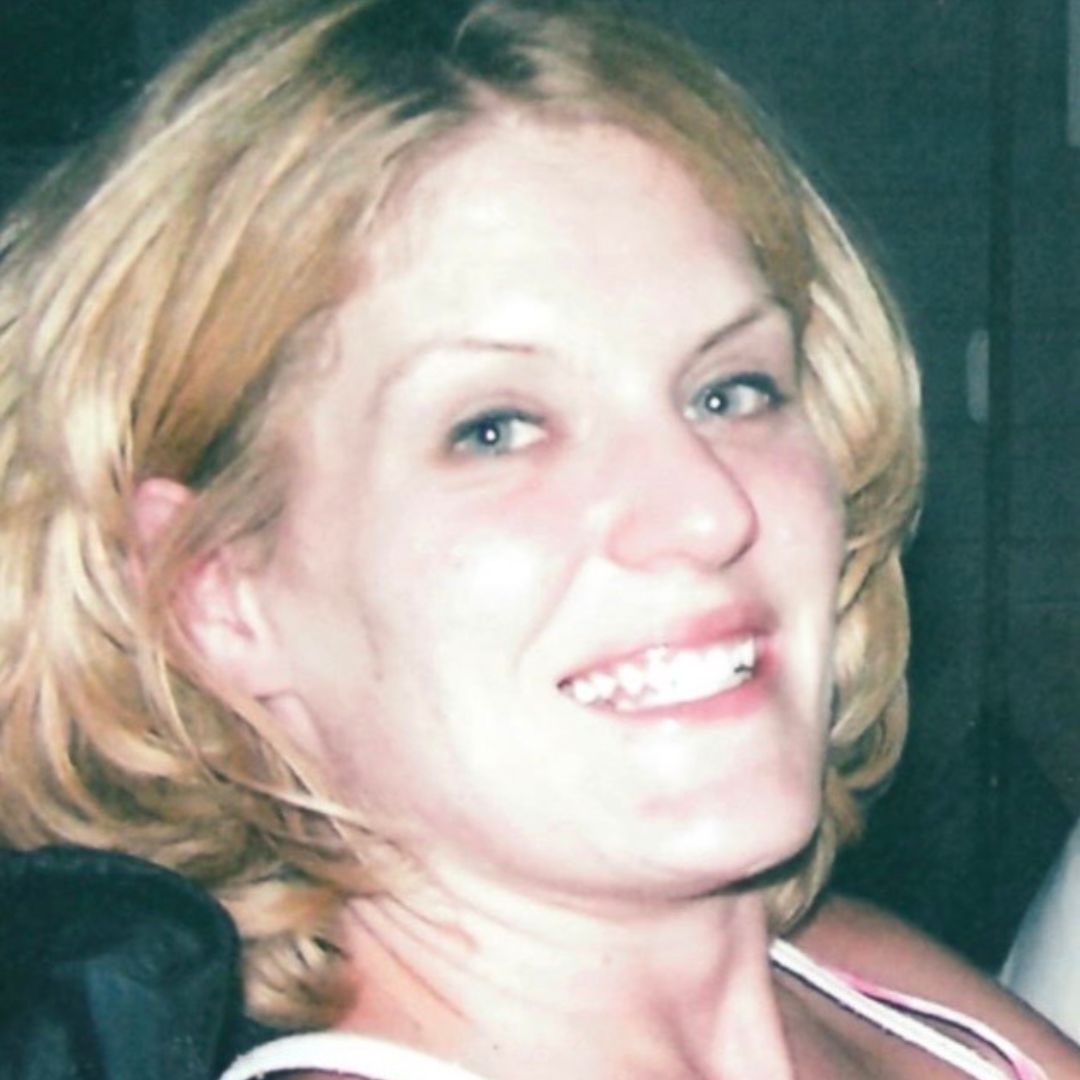
Twila Cummings Purdy
My mom, Twila, struggled with addiction for as long as I can remember. She tried many times to be the mom she was supposed to be, full of life and a wonderful grandma when she was able. She lost her life to an overdose at the age of 44, a month shy of turning 45. She passed three weeks after my sister for the same reason.
Colorado Springs
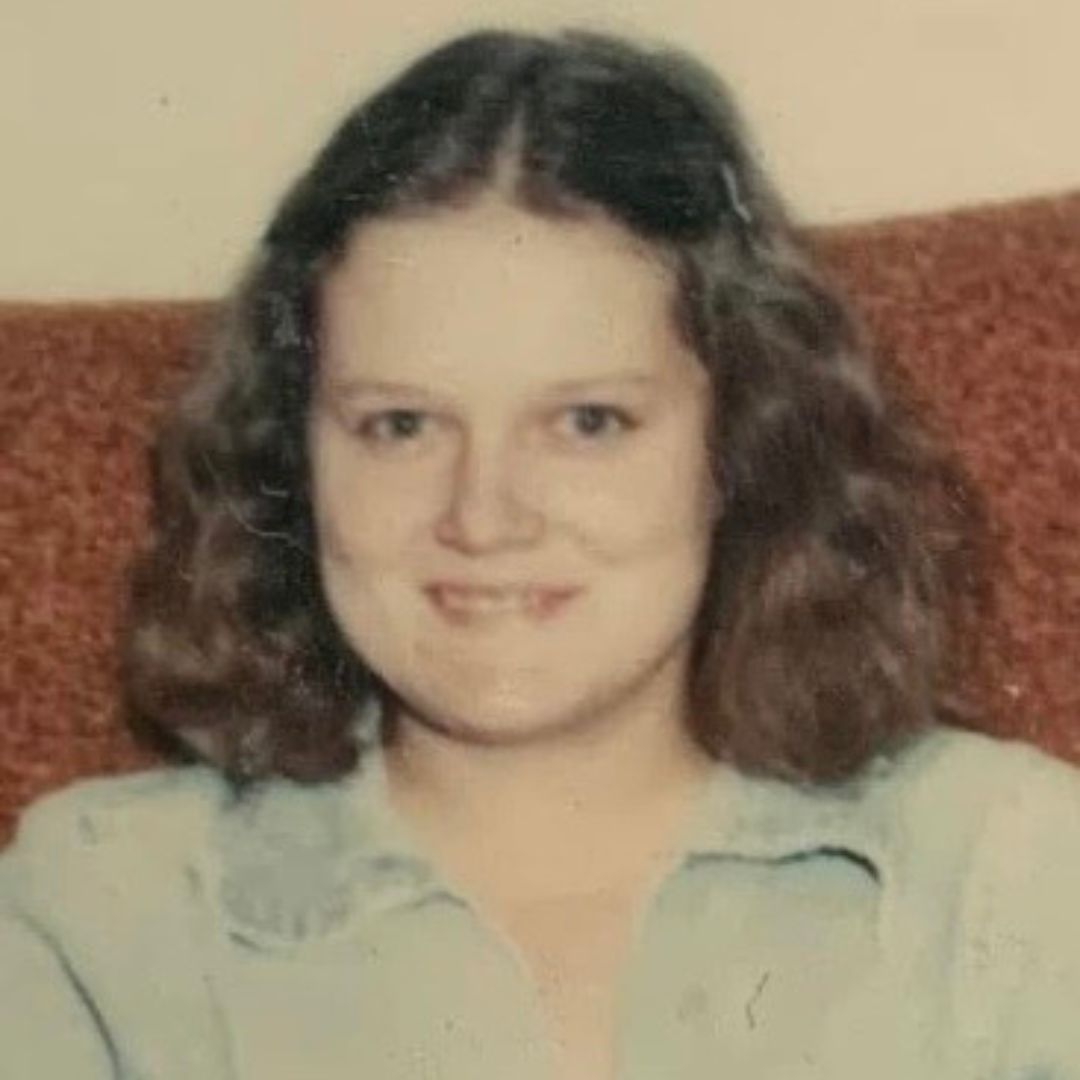
Patrick Baumgardner
Patrick loved his family and his dog and was a friend to everyone. He is remembered by us all every day.
OKC
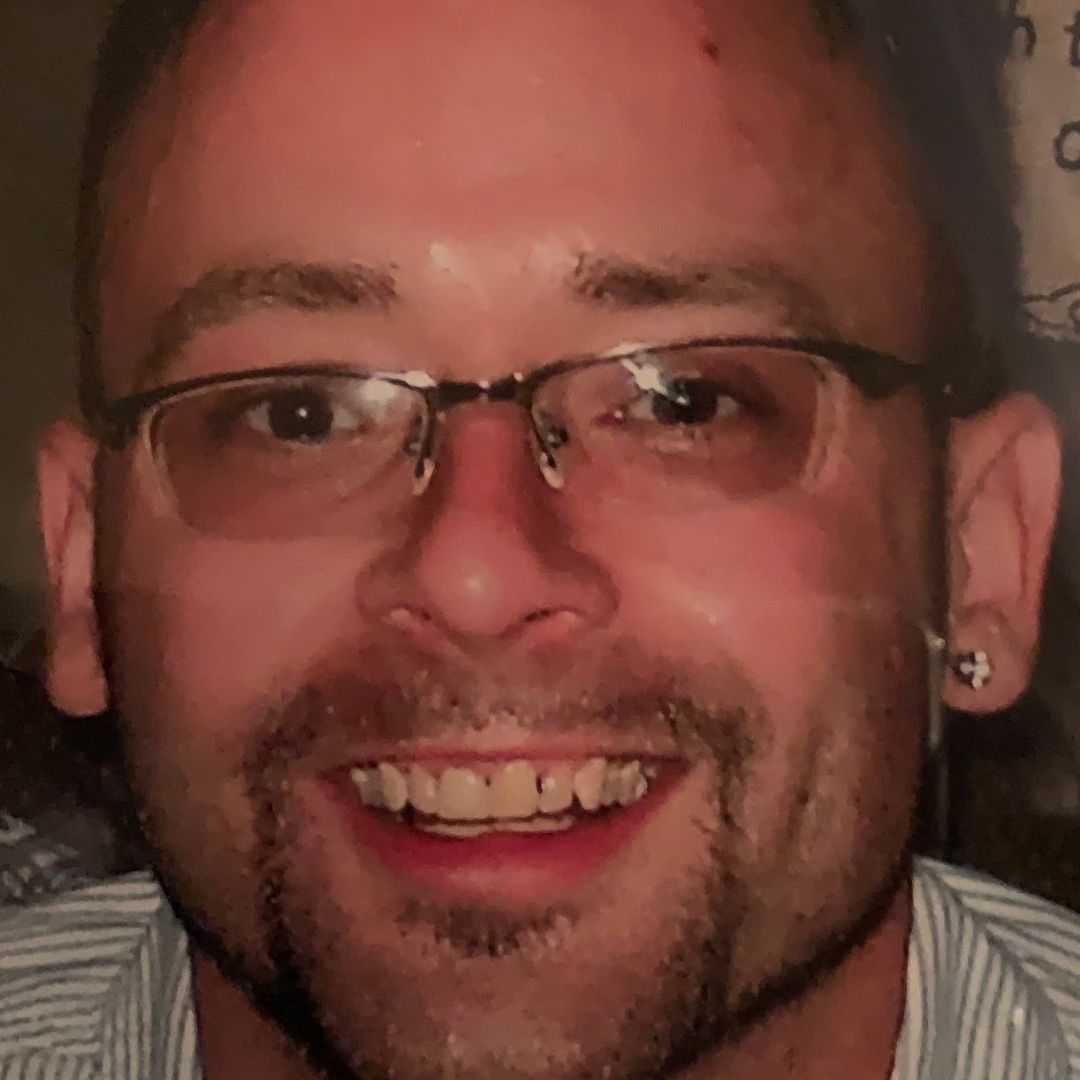
Donald G. Sterns Jr.
Donny had a spirit that drew people to him. He was known for his kindness, sense of humor, compassion, and ability to make others smile and laugh. Whether he was with family, friends, or someone he had just met, Donny had a way of making people feel seen and valued. He graduated from Putnam City North High School, where he participated in football all four years. He was a part of The Who’s Who among high school scholars. He also graduated from the Francis Tuttle nursing program and attended Langston University for two years, striving to build a meaningful future, before passing from fentanyl poisoning.
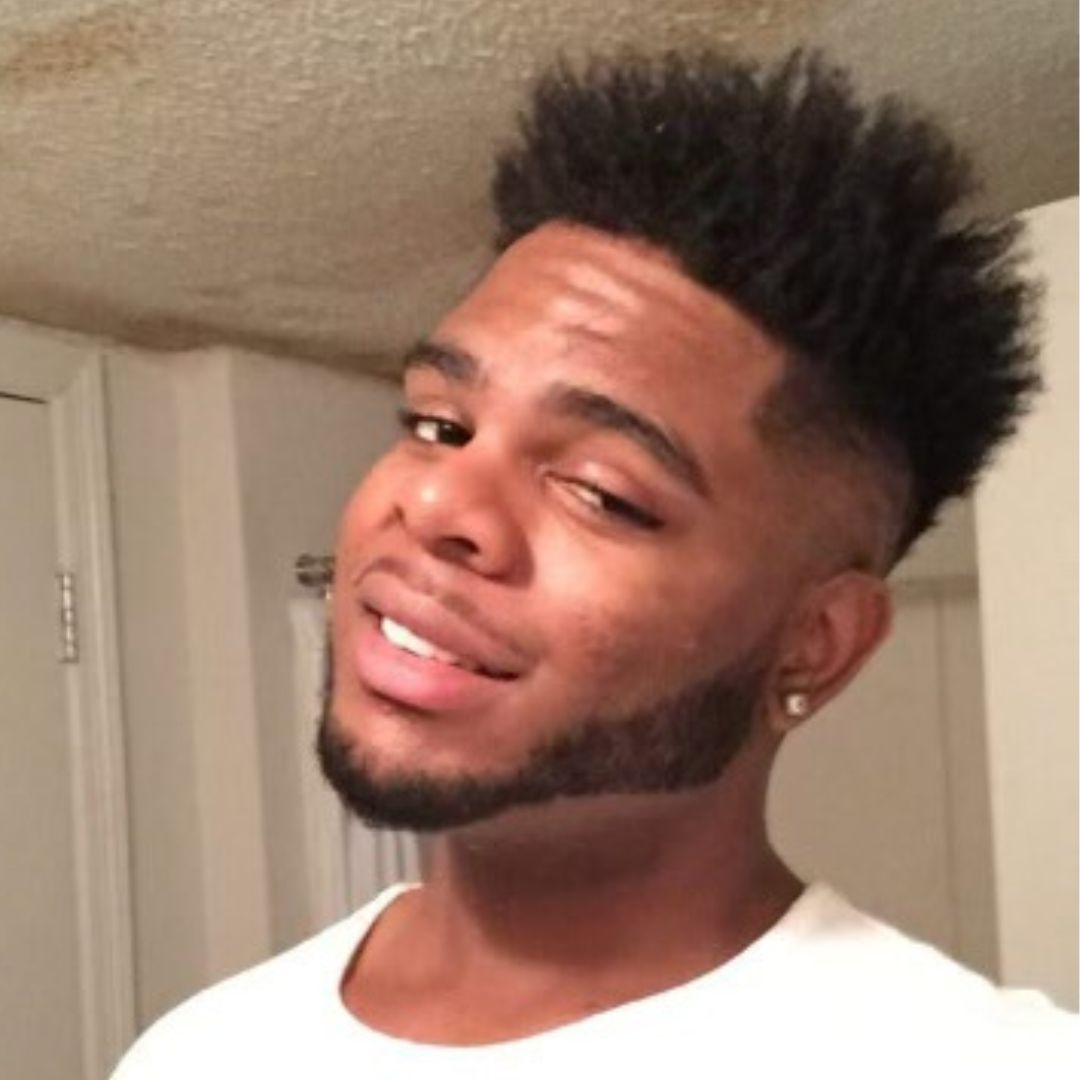
Ritchie Puckett
Ritchie had a way of making people laugh and making everyone around him feel like they belonged. To those who loved him, he was a son, a friend, and someone who mattered deeply.
Ritchie was my one and only lifelong childhood best friend. We grew up together and shared so many of the memories that shaped who I am today. No matter how much time passed, we always picked right back up where we left off. The memories of our friendship will always remain as some of the most important in my life.
I am participating in Run for Hope in his honor because I want people to remember the person behind the struggle. I run for the memories we shared, for the life he lived, and for the hope that others battling addiction can find recovery and a future.
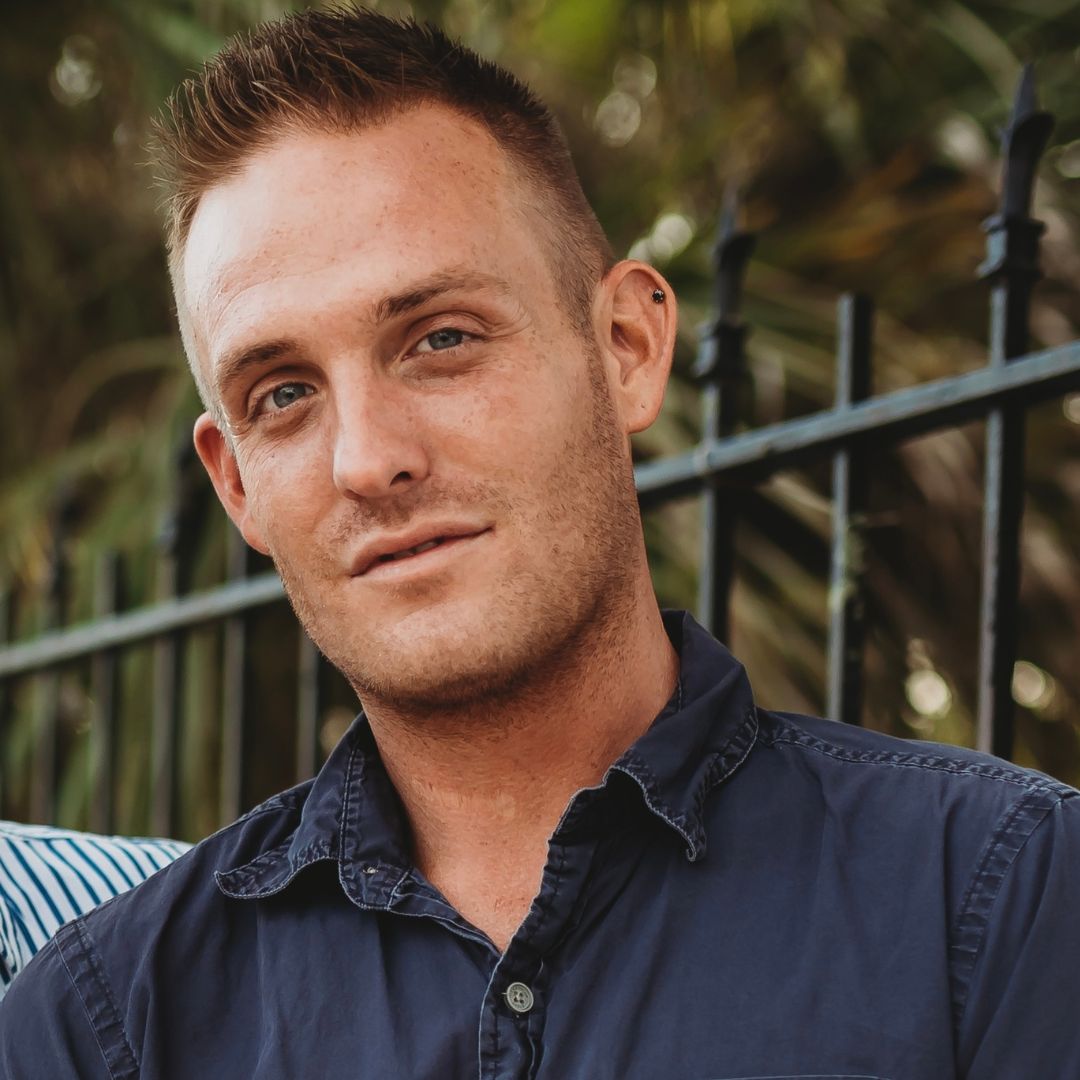
Krystal Heap-of-Birds
Beloved daughter and sister, devoted mother of nine, and a loyal cousin to many. She had a heart that was always open and a presence that could always be counted on. Whether offering a listening ear, a helping hand, or words of encouragement, she was always there for the people she loved. She brought joy wherever she went with her infectious laughter, warm spirit, and ability to make others feel at home. Her greatest pride and deepest love were her babies, whom she cherished with all her heart. She leaves behind a legacy of love, strength, devotion, and countless treasured memories that will continue to live on in the hearts of all who knew and loved her.
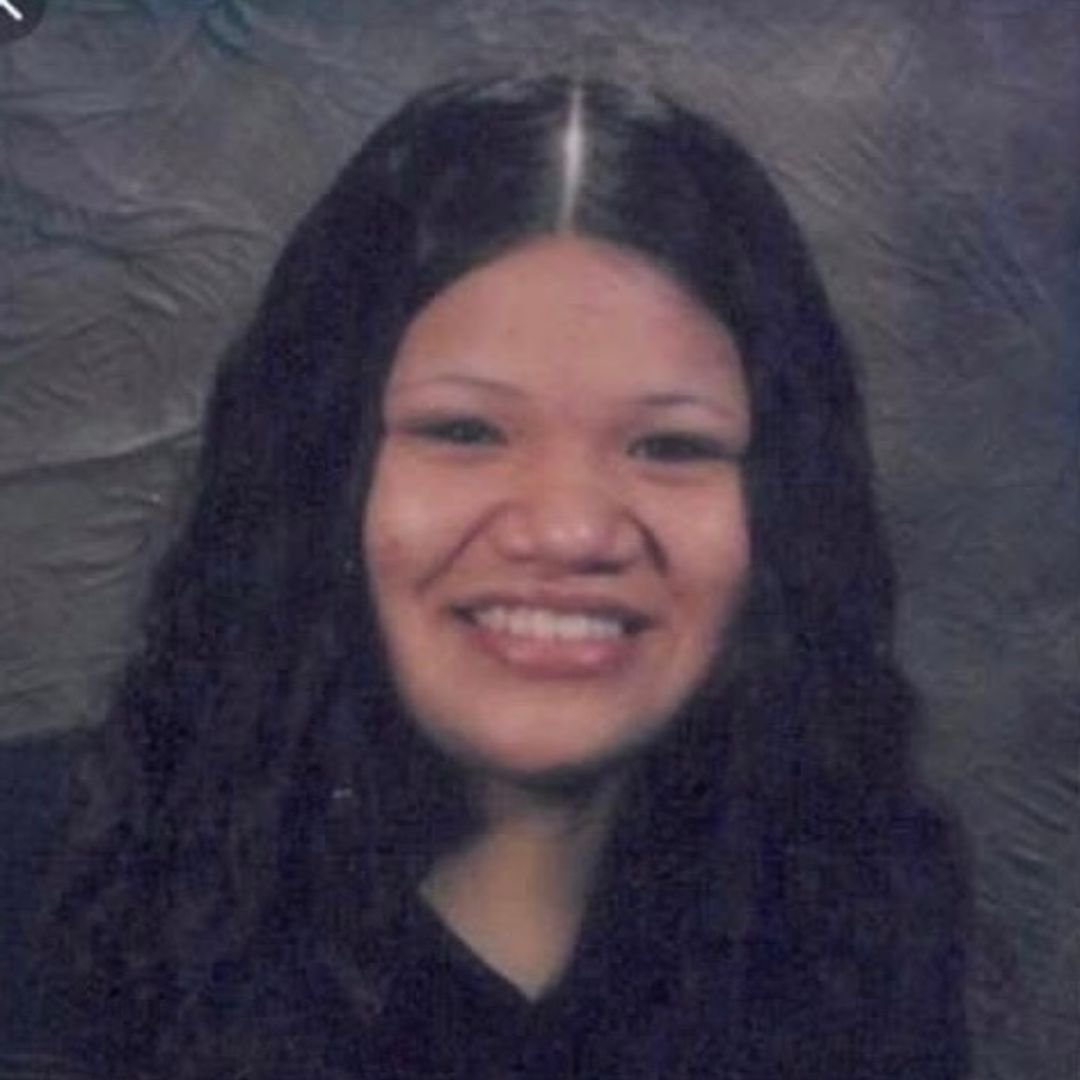
Donna Squire
A devoted and loving mother, she poured her heart into caring for her family and creating lasting memories with those she loved. She had a deep appreciation for music and movies, finding joy in sharing her favorite songs, watching films with loved ones, and creating moments of laughter and connection. As the youngest of nine siblings, she held a special place in her family and was deeply cherished by her brothers and sisters. Family was at the center of her life, and she treasured every opportunity to spend time with those she loved. To me, she was more than an aunt; she was my favorite auntie, a source of love, comfort, laughter, and unwavering support. Her kind heart, vibrant spirit, and devotion to her family will be remembered and cherished forever.
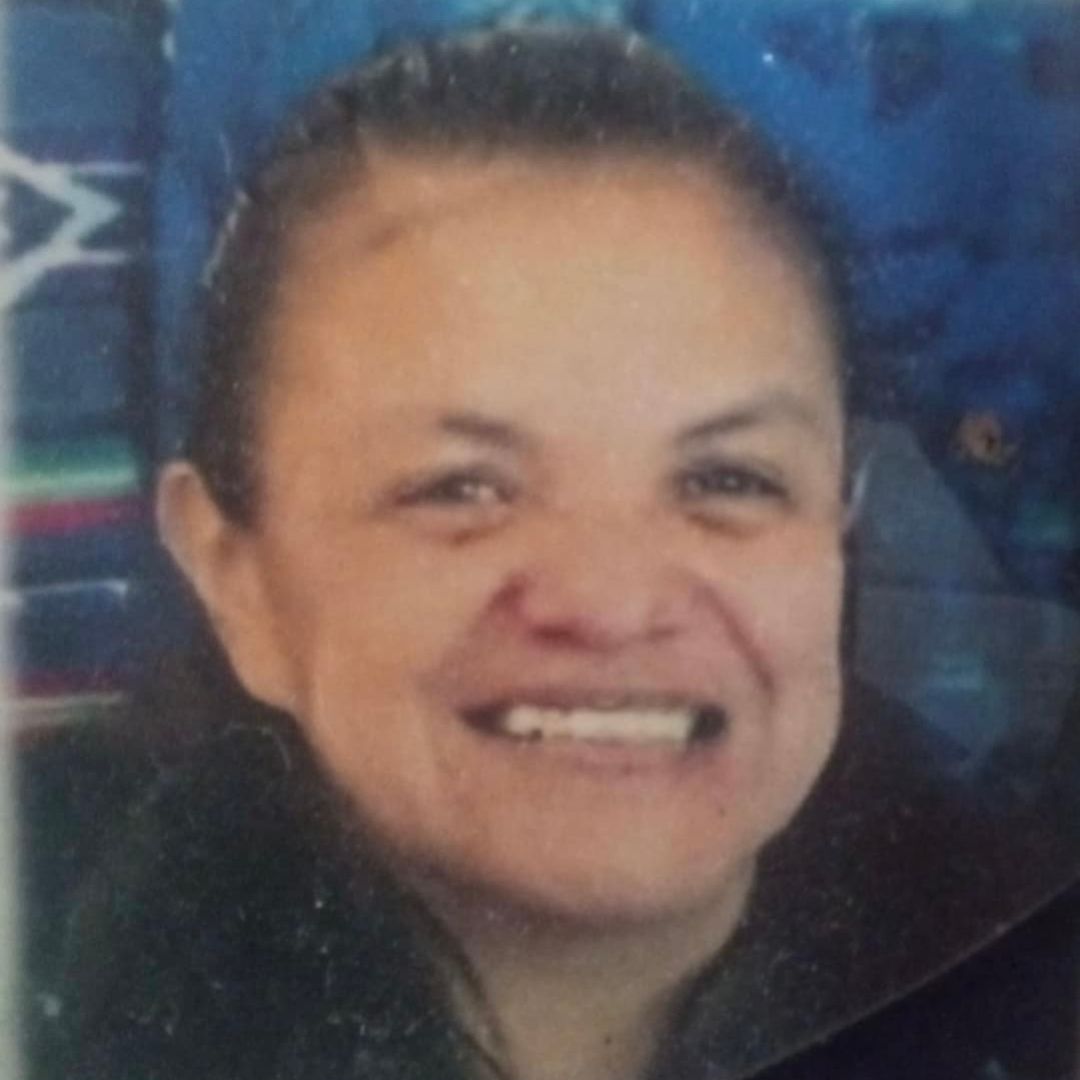
Robin Guoladdle-Navarro
She was truly full of life, bringing energy, laughter, and light into every room she entered. Her vibrant spirit and warm heart made it easy for others to feel loved, welcomed, and valued. Family was everything to her, and she cherished every moment spent with those she loved. As the favorite Auntie to many nieces and nephews, she created countless memories filled with laughter, guidance, and unconditional love. She had a special way of making each person feel important and cared for, leaving a lasting impact on everyone fortunate enough to know her. She was deeply loved by her sisters and her mother, who treasured the bond they shared and the joy she brought into their lives. Though her presence is greatly missed, her love, laughter, and beautiful spirit will continue to live on in the hearts of her family forever.
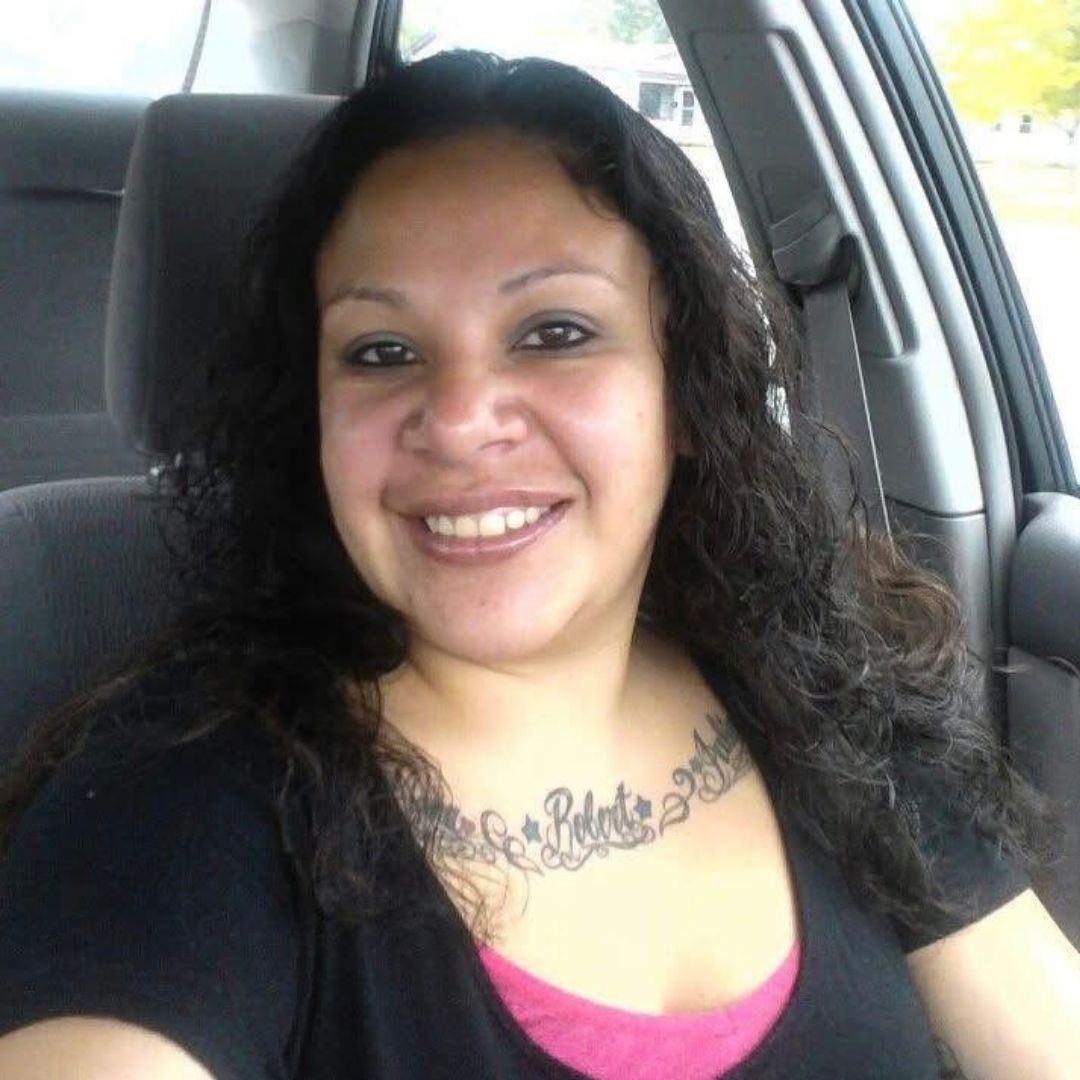
Levi Pothorst
Levi was the kind of person who made the world brighter simply by being in it. He never met a stranger, only friends he hadn’t gotten to know yet. Whether you knew him for years or only for a moment, he had a way of making you feel seen, welcomed, and valued. His smile was contagious, and his embrace was genuine. When Levi smiled at you, you felt the warmth of someone who cared deeply about people. He carried a light that drew others in, and he shared that light freely with everyone around him.
Alcoholism may have taken Levi’s life, but it does not define his life. What defines Levi is the love he gave, the laughter he shared, the friendships he built, and the countless lives he touched. His legacy lives on in every story told about him, every smile inspired by a memory of him, and every act of kindness that reflects the goodness he showed so effortlessly. The world feels a little dimmer without him here, but we are all better for having known him. We will remember his generous heart, his welcoming spirit, and the joy he brought wherever he went.
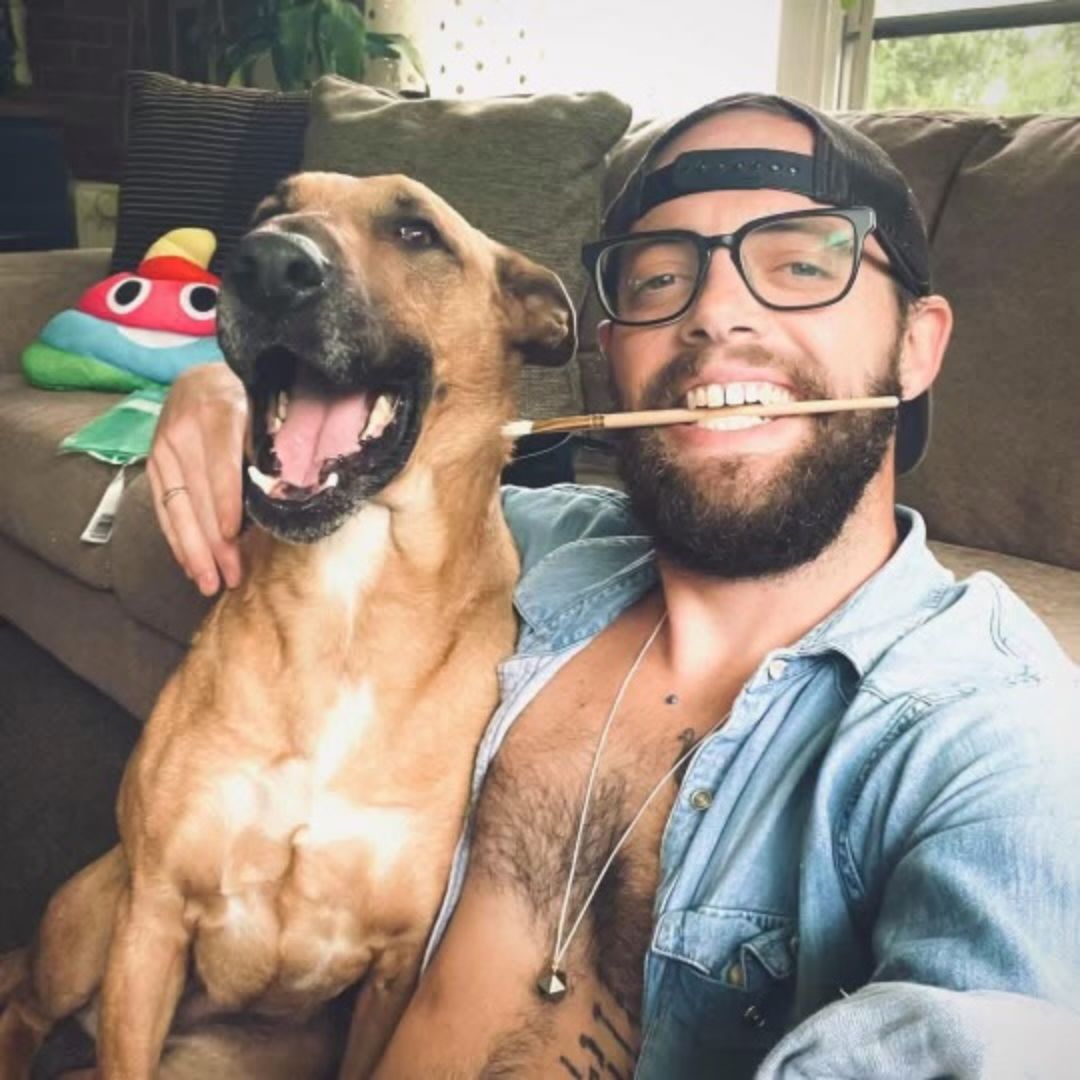
Brandy & John Sweeney
My beautiful mom and wonderful step-dad passed away together. My mom dedicated her life to taking care of our family, and my step-dad was a 23-year Army veteran. They left a beautiful memory in this world.
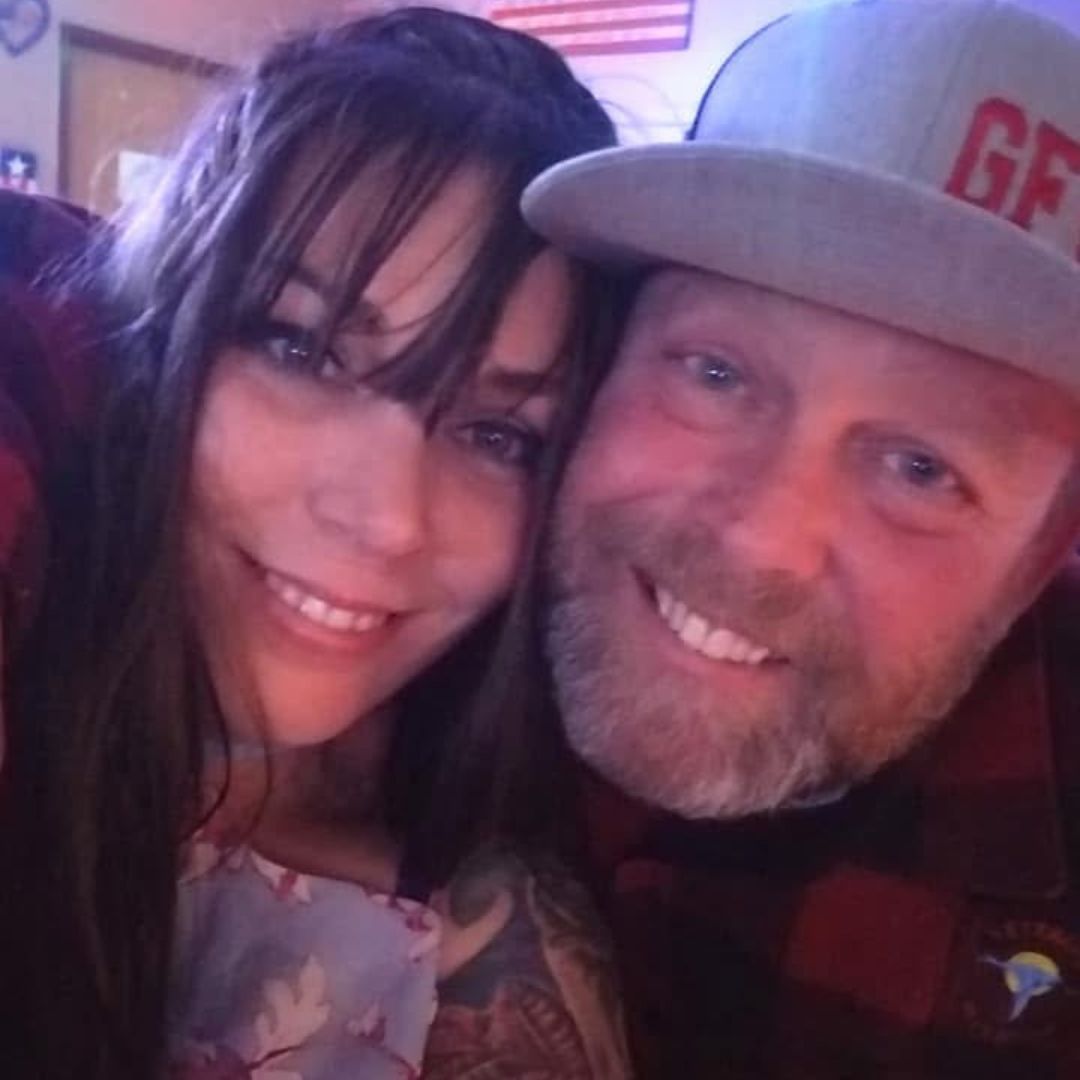
Romauldo Ortiz-Castaneda
My father never had the chance to beat his addiction, but he did know God and Jesus. He died of an overdose. I was so heavy in my addiction at the time of his passing that I couldn’t even attend his funeral. I am breaking this generational curse by stopping addiction with me. With the help of the women’s Hope is Alive program, I am now 17 months sober, and I know my dad would be so proud of me. Addiction took my father, but it doesn’t get to take me!!
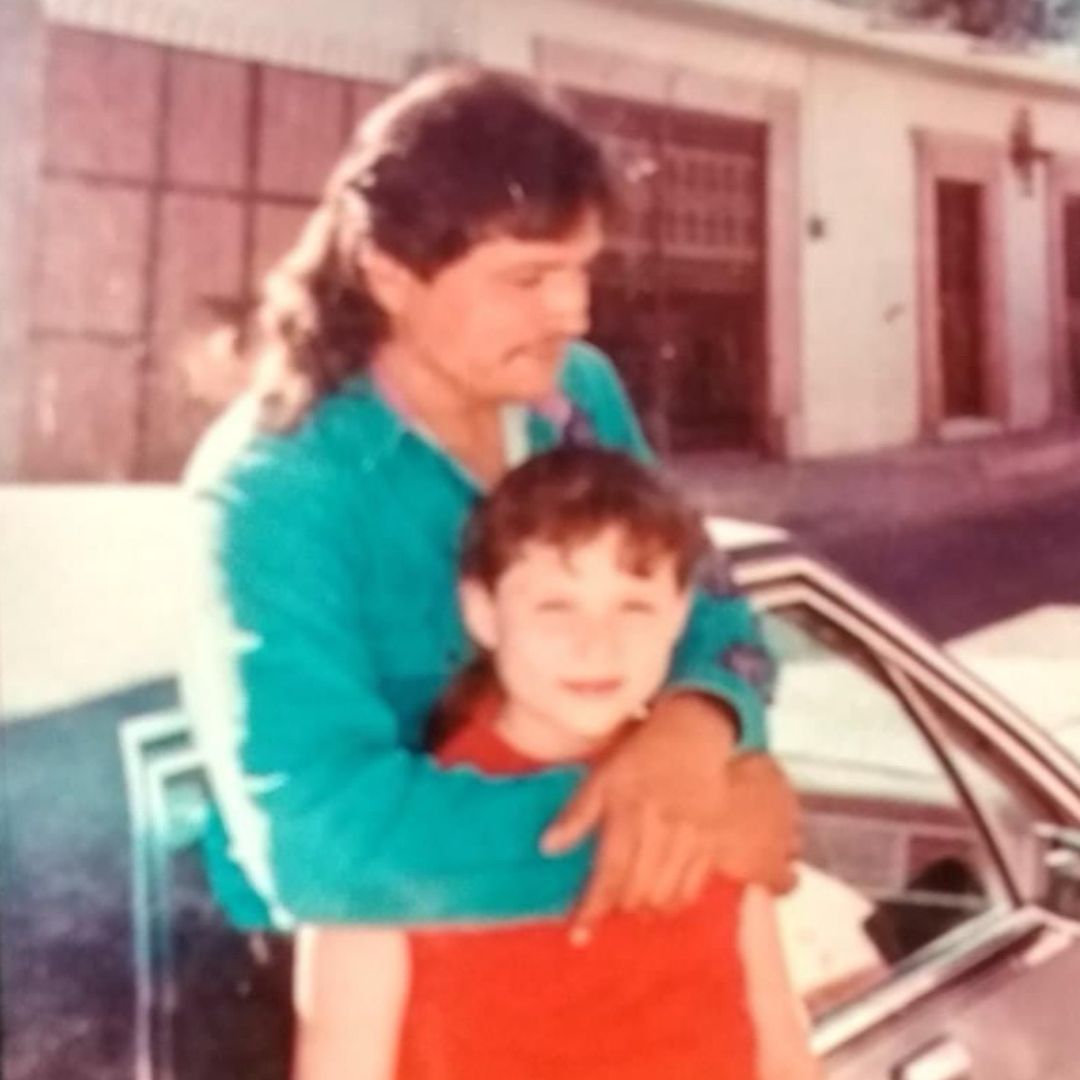
Ryan Sparks
Ryan was an inscribe man who loved his family so very much. He had beautiful twin daughters who miss him dearly. Ryan was a hard-working business owner who would do anything for anyone. Unfortunately, Ryan lost his life to addiction in 2023. He is missed dearly and will never be forgotten.
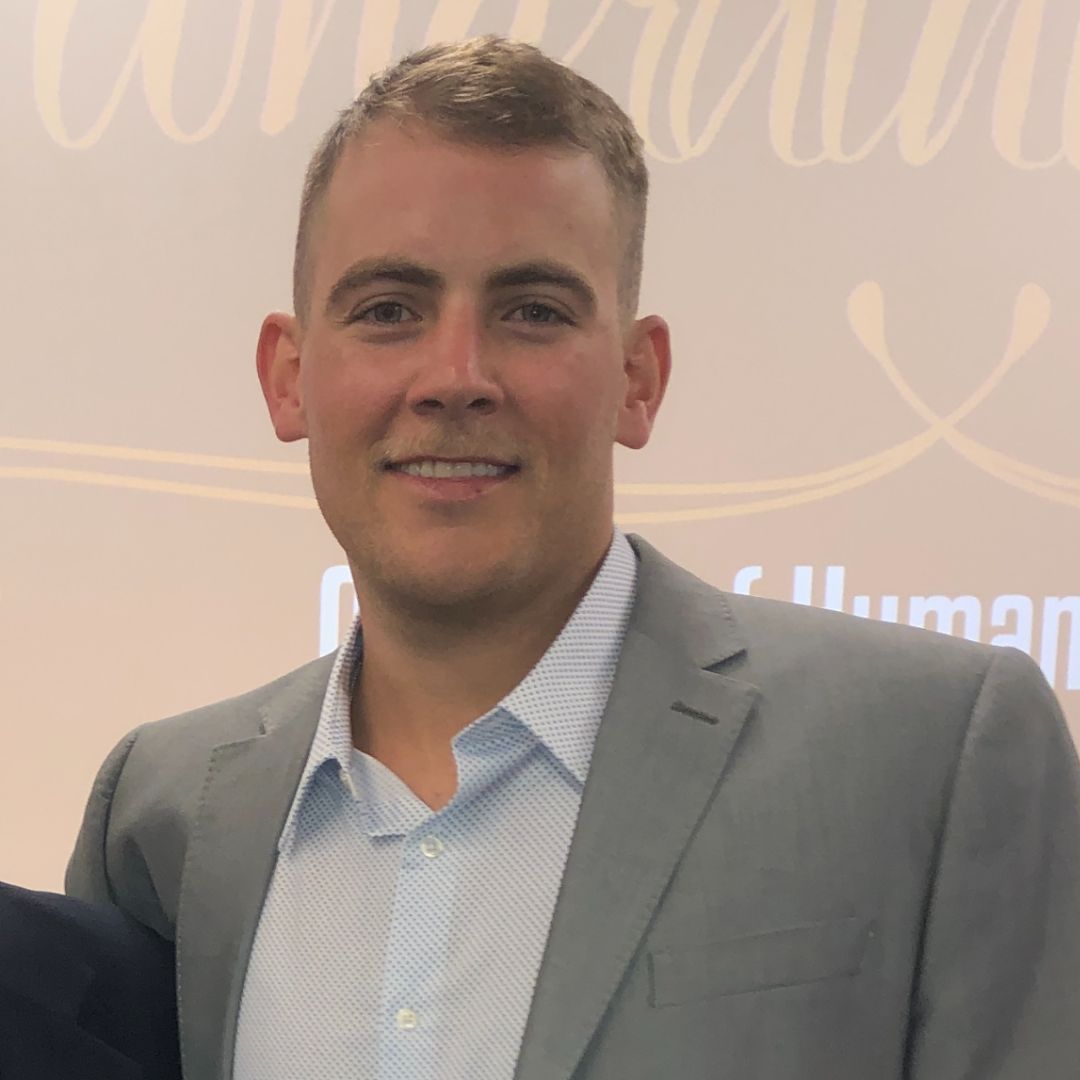
Paul Bertolasio
Navy Veteran Paul was a kind man who struggled with childhood trauma, depression, and alcohol for many years. He always had a couple of bad jokes to share along with a smile. He was a good friend to many and a loving brother.
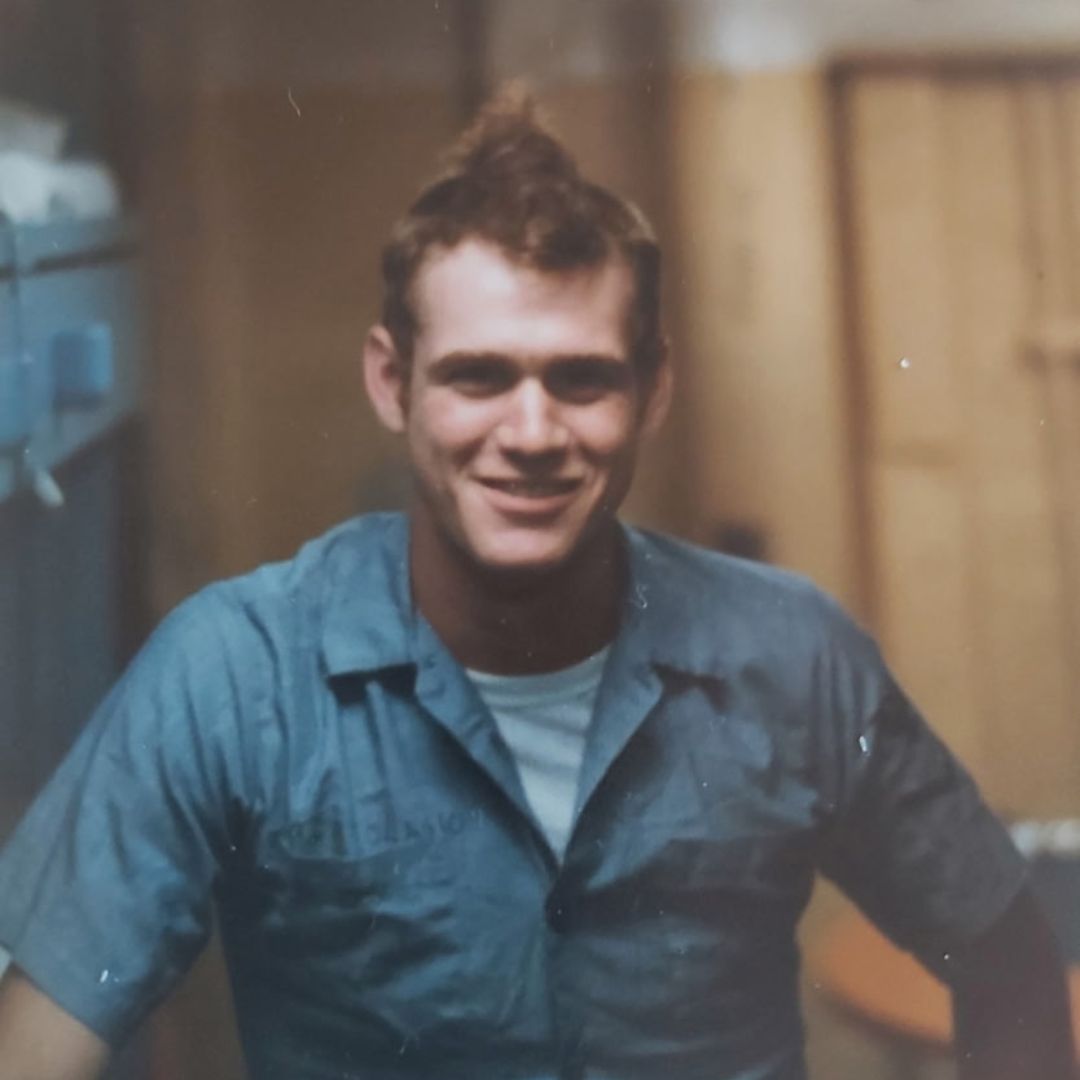
Samuel Richardson
Sam was extremely smart, quick-witted, and handsome. He had the most beautiful soul and smile that could light up any room.
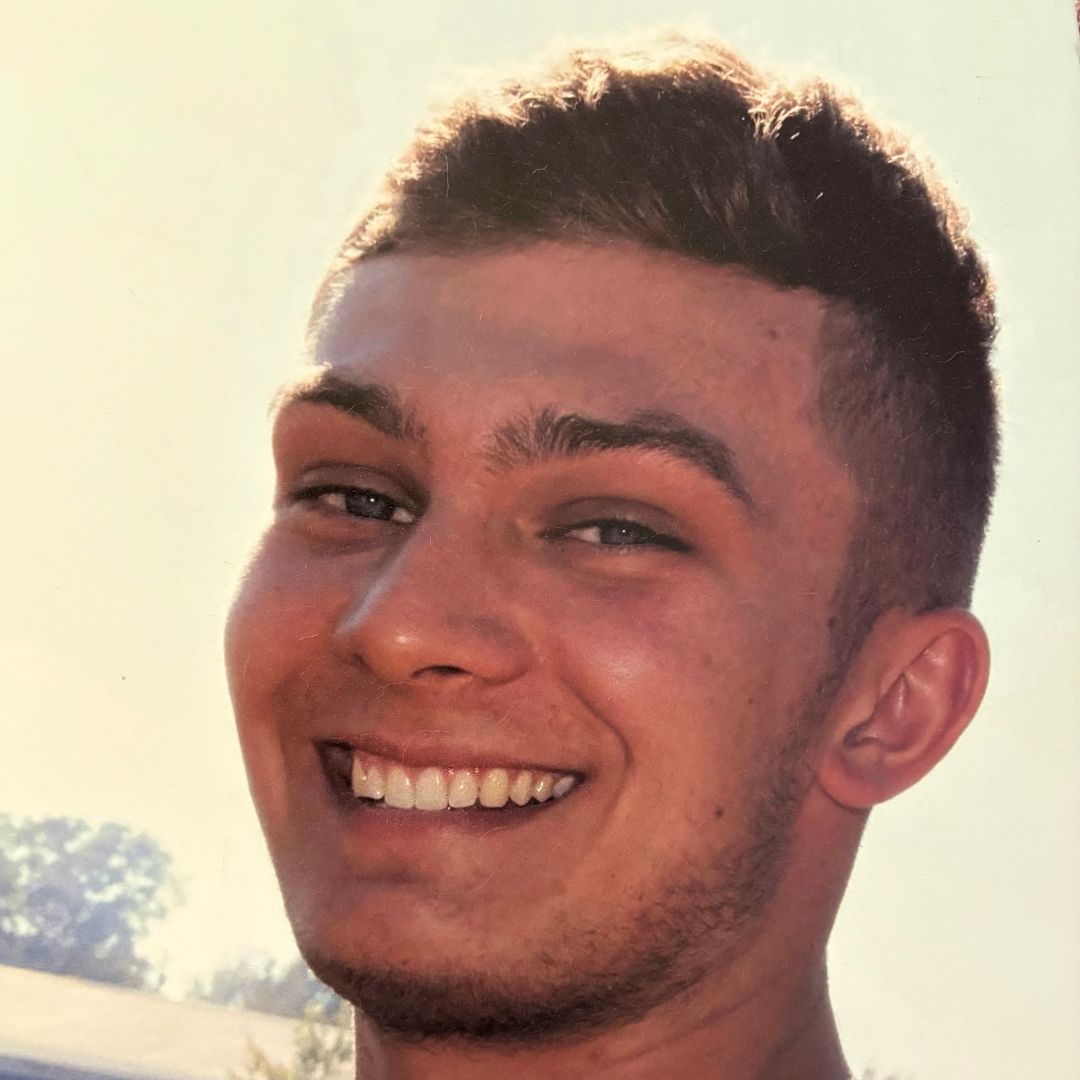
Virtual
Andrew Wusterbarth
As a late teen and young adult, Andrew often presented a “tough guy” exterior. He guarded his real personality carefully, allowing only a select few to truly know him. But if you were fortunate enough to be let in, you discovered who Andrew really was — a beautiful soul with a tender heart and a deep capacity for kindness.
One time, Andrew came home to visit while he was living in Massachusetts. We noticed a toddler car seat in the back of his car and, of course, immediately asked if there was something we needed to know. He brushed it off, explaining that a coworker and her young daughter needed a ride home and he had helped them out.
It wasn’t until after Andrew passed away that we learned the rest of the story. We met this friend, and she shared how much Andrew had meant to both her and her daughter. She told us how he spoiled that little girl, showed up for them when they needed someone, and was a loyal and caring friend.
Since losing Andrew, many men and women have come to us to tell us about the impact he had on their lives. They have shared how his support, encouragement, and friendship played a profound role in their continued sobriety. Andrew never told us about these acts of kindness. He was imperfect, as we all are, but he loved deeply and gave generously. We are so proud to be his family.
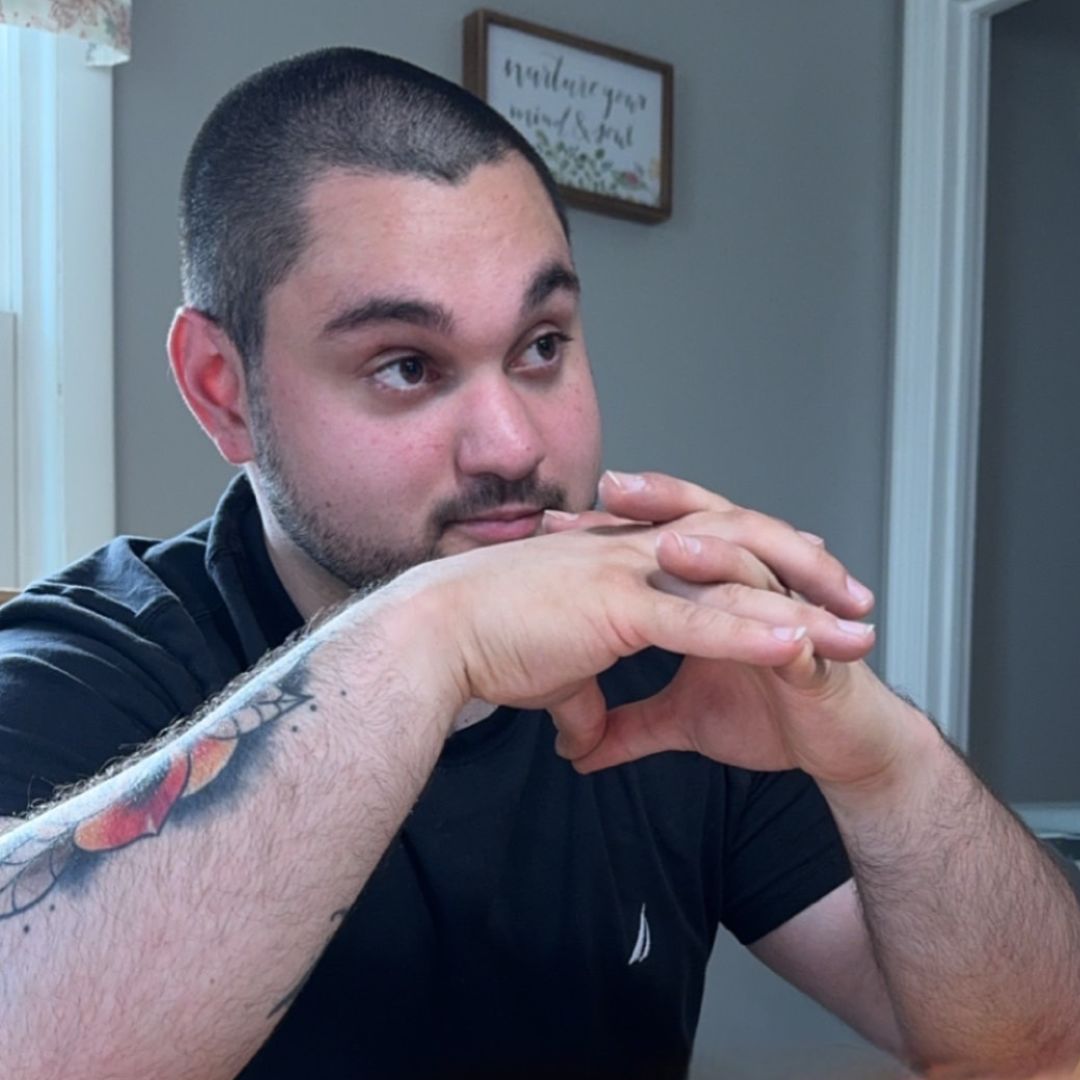
Christian Sanchez and Jonathan Sanchez
Christian was my best friend from childhood. He and his brother, Jonathan Sanchez, both passed from their addiction.
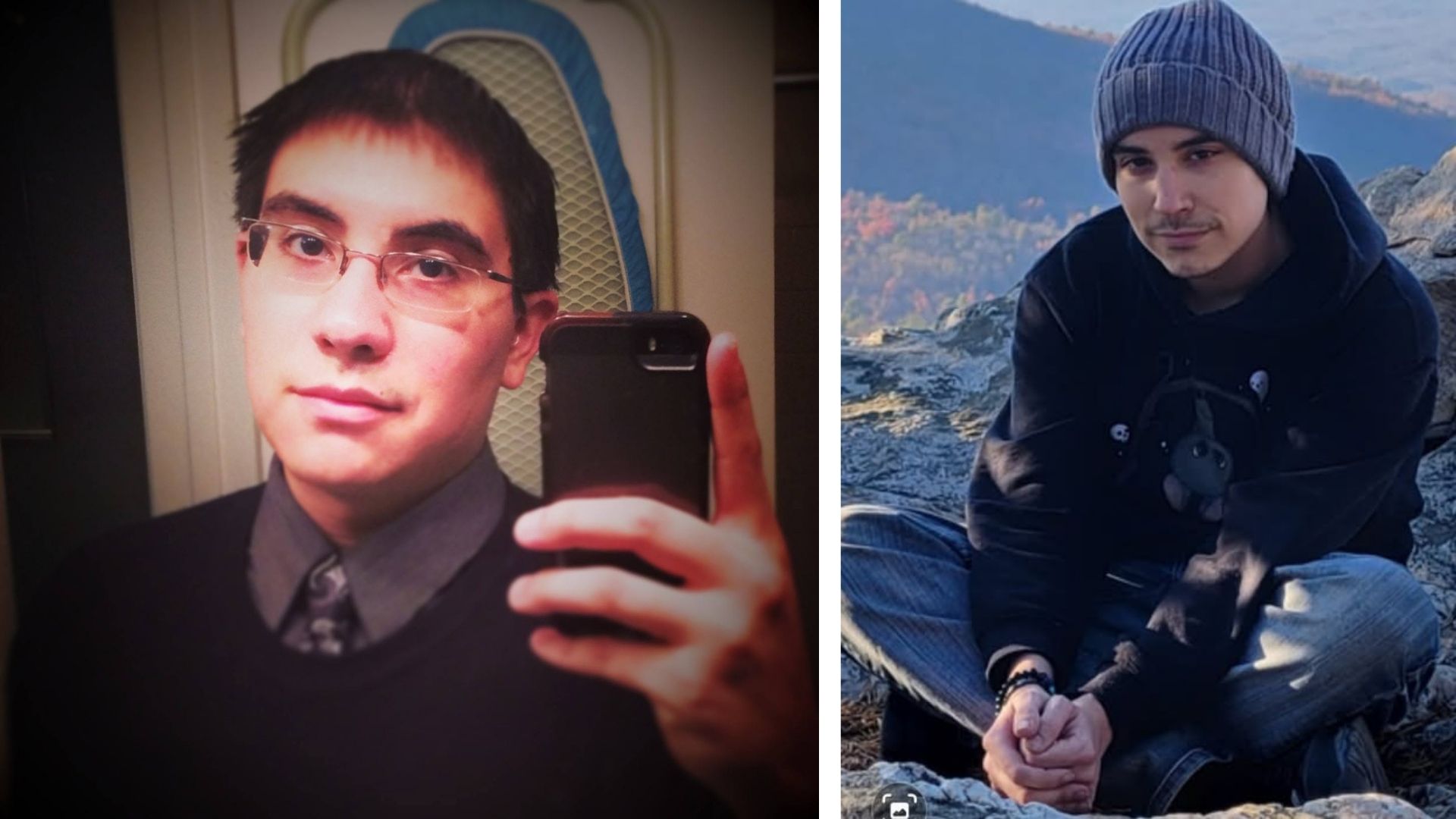
The people we remember at Run for Hope were so much more than the way their lives ended. They were sons and daughters, brothers and sisters, parents, best friends, and people who made others laugh. They were deeply loved, and they are deeply missed.
They are why we run.
Run for Hope is a chance to come together, say their names, share their stories, and remind families that they don’t have to carry their loss alone. It’s also a chance to celebrate recovery and show our community that there is always hope for those still struggling.
We’d love for you to be part of it.
Register for Run for Hope 2026 on August 29th and join us as we run and walk for the people we’ve lost and everyone still fighting for a different tomorrow.
22 Recovery Program Graduates. 22 Stories of Hope.
22 Recovery Program Graduates. 22 Stories of Hope.
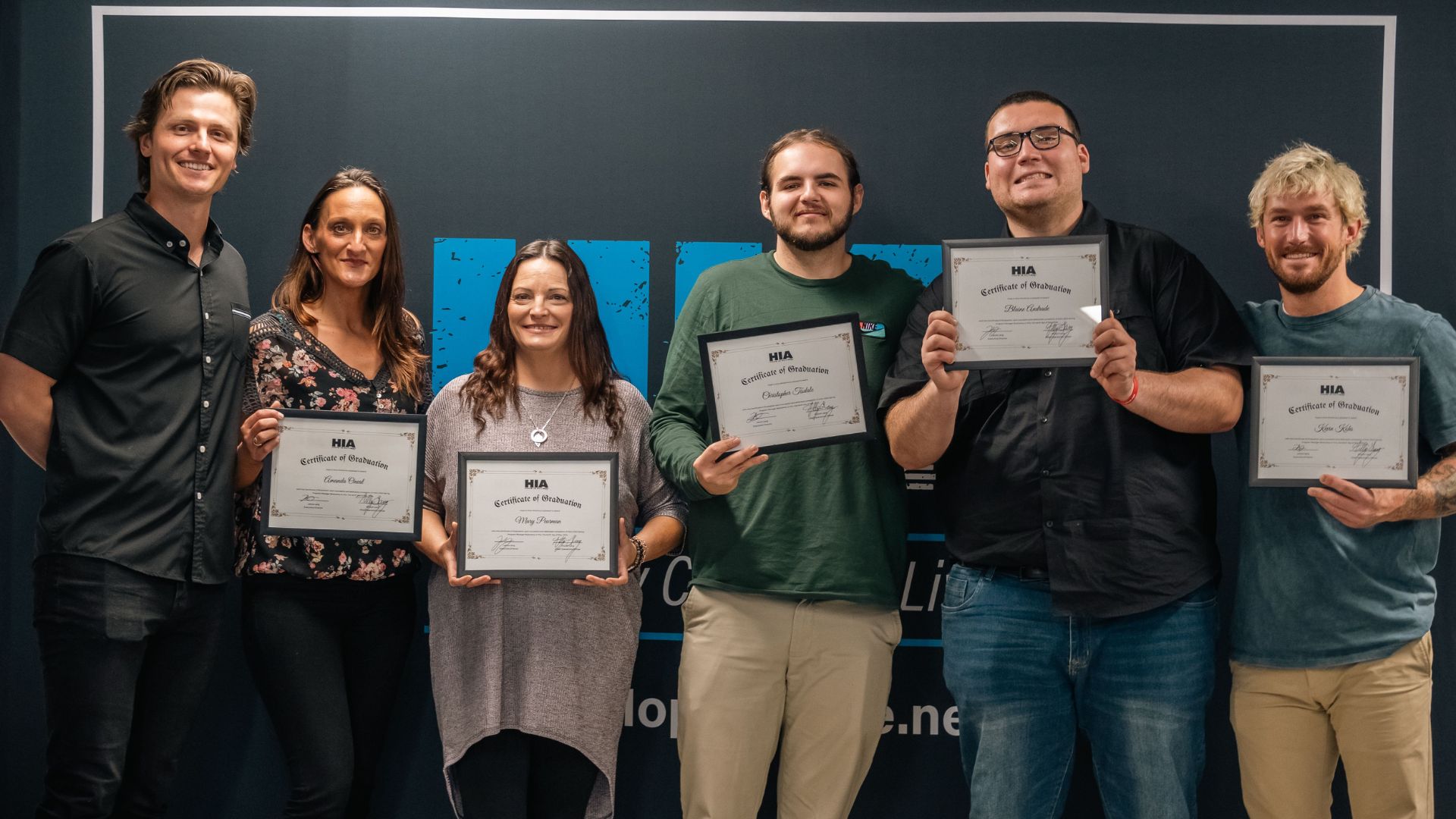
Celebration is a big part of who we are at Hope is Alive. We celebrate the small wins, the big wins, and everything in between. But graduation? We REALLY celebrate graduation.
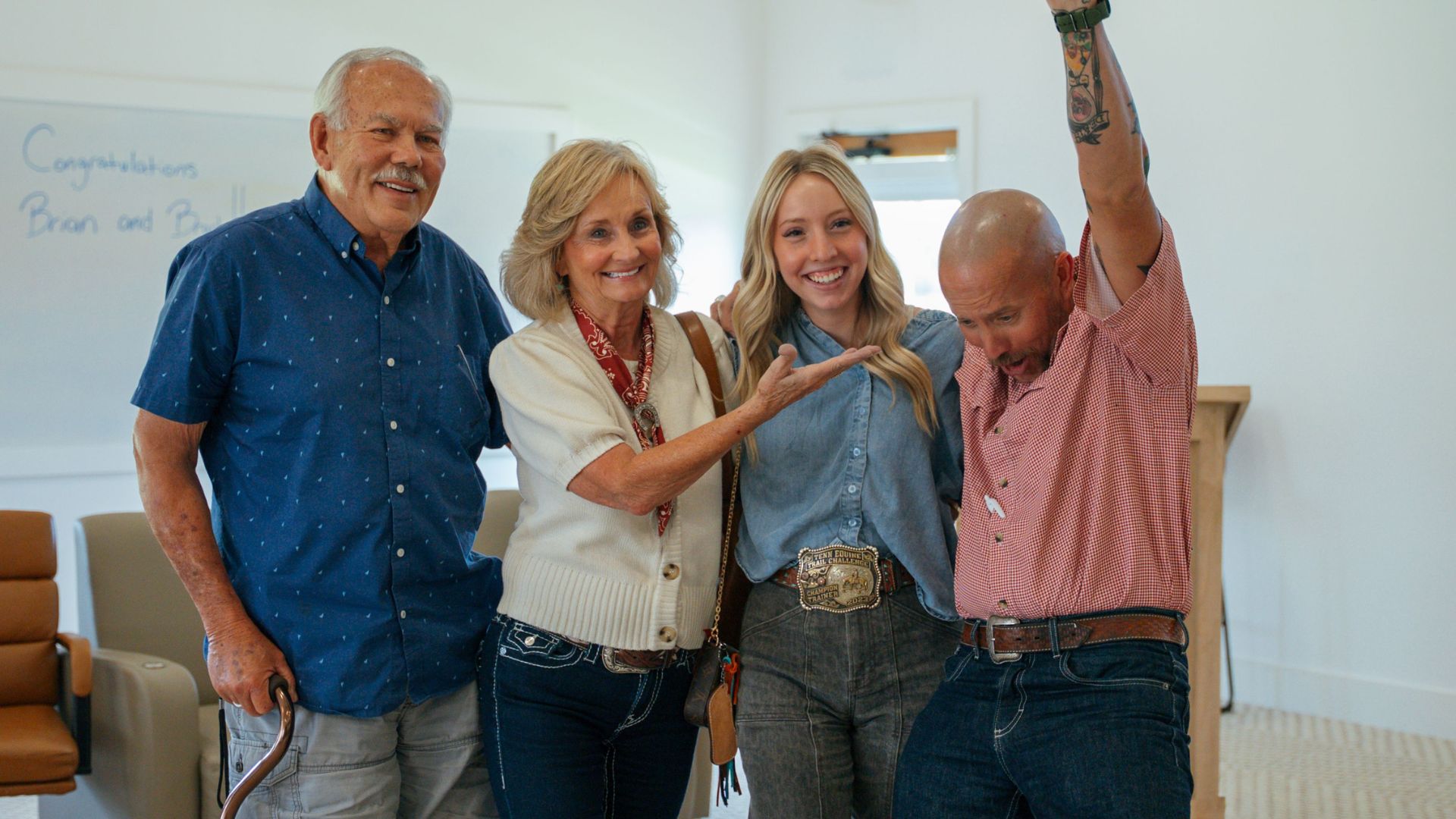
This past month, 22 men and women completed our 18-month recovery program. That means 18 months of living in community, working on their recovery, growing in their faith, rebuilding relationships, and learning a new way of life.
So when someone makes it to the end of those 18 months, we don’t just hand them a certificate and call it a day. We bring together their families, friends, and HIA community and celebrate everything it took to get there.
Watch the video below to see why graduations are such a big deal at Hope is Alive.
Top Addiction Recovery Resources in Oklahoma City
Top Addiction Recovery Resources in Oklahoma City
Searching for addiction recovery resources in Oklahoma City can bring up a long list of options, but finding the right kind of support is about more than choosing a program. Recovery often requires community, accountability, spiritual growth, family support, and people who understand what life after addiction can actually look like.
Hope is Alive offers several Oklahoma City addiction recovery resources designed to support people at different stages of that journey. From structured sober living and immersive recovery experiences to support for families and those grieving an addiction-related loss, each program is built around one goal: helping people move from addiction and brokenness toward lasting freedom, healing, and hope.
Whether you are looking for help for yourself or someone you love, these Hope is Alive resources can help you take the next step.
1. The Healing Center
The Healing Center is a 45-day recovery campus that offers a trauma-informed, Christ-centered approach to radical life transformation for drug addicts, alcoholics, and men with gambling-related or sexual struggles.
It’s not a treatment center or rehab facility. It’s a holistic program where men work through the core wounds of addiction, shame, and brokenness to build an intimate relationship with Christ. At The Healing Center, men don’t just get sober. They build a life so good they never want to escape from it again.
Women’s Lodge planned for 2027.
Click here to learn more about The Healing Center.
2. Hope is Alive Recovery Homes
Getting sober is one thing. Learning how to live sober is another.
Hope is Alive Recovery Homes give men and women a safe, structured place to build a new way of life. These faith-based sober living homes are about much more than having somewhere to stay. Residents become part of a community where they are known, challenged, supported, and reminded that their past does not have to define their future.
Each resident is paired with a sobriety coach and works through Hope is Alive’s three-phase recovery curriculum. The program addresses the physical and emotional impact of addiction while also focusing on relationships and spiritual growth.
Life inside a Hope is Alive home includes accountability, peer support, mentorship, and practical life-skills development. The goal is to help residents build a strong foundation for long-term recovery and learn how to thrive in everyday life.
For someone who is ready to take recovery seriously and wants a community to walk alongside them, a Hope is Alive Recovery Home can be a powerful next step.
Click here to learn more about Hope is Alive Recovery Homes.
3. Finding Hope
Finding Hope was created specifically for the people who love someone struggling with addiction.
These faith-focused support groups provide a safe, non-judgmental place where family members can be honest about what they are experiencing. They can connect with people who understand the impact addiction has on a family and begin learning how to move forward in a healthier way.
Your loved one does not have to be sober for you to start healing.
Finding Hope helps families understand that they need support too. You don't have to keep carrying everything by yourself, and you don't have to wait for someone else to change before you begin changing your own life.
Click here to learn more about Finding Hope.
4. Hope After Loss
Hope After Loss was created so people grieving an addiction-related death don't have to walk through that experience alone.
Hope After Loss is a faith-focused support group where people can connect with others who understand this kind of loss. The group creates space to process grief while beginning the journey toward healing and restoration.
There is no timeline for grief and no perfect way to walk through it. Hope After Loss simply gives you a community that is willing to walk with you as you begin finding hope again.
Click here to learn more about Hope After Loss.
5. Hopeline
Maybe you know you need help, but you have no idea which resource is right for you.
That's exactly what the HopeLine is for.
The HopeLine is the starting point for people looking for help through Hope is Alive. When you call, our team takes time to listen to what is actually going on before helping you figure out what comes next.
That next step might be a Hope is Alive program. It might also be another recovery resource that better fits your situation. The goal is to help you find the right help, not simply point everyone toward the same answer.
If you are searching for addiction recovery resources in Oklahoma City and aren't sure where to begin, start with a conversation.
Call the HopeLine at 1-844-346-7366.
The Labels Addiction Places on Loved Ones
The Labels Addiction Places on Loved Ones
"Wife of an alcoholic." "Stupid." "Ugly." "Foolish." "Enabler." "Overly emotional." "Controlling." "Judgmental." "Addict's dad." "Broken." "Worthless." "Damaged." "Trapped." "Invisible." "Rejected."
Do you wear any of those labels?
Maybe it's a label you've placed on yourself, or maybe it's one someone else has spoken over you that you just can't seem to shake. Have you started believing those words are true?
When you love someone who struggles with a substance use disorder, it's easy to wear labels that were never meant for you. But the truth is, you are so much more than any label this world — or addiction — has placed on you.
When we love someone who struggles with a substance use disorder, we are often deeply hurt by the words they speak. Over time, we can begin to believe the names and labels they place on us, allowing them to shape how we see ourselves. The shame, guilt, and blame they project onto us can become a heavy burden to carry, making it easy to accept labels that were never ours to wear.
But the truth is this: those labels do not define you. Your identity is not found in the words of someone else's pain or addiction. Your identity is found in who God says you are.
God’s view of you is entirely different from anyone on this earth. He sees you through the lens of love, grace, mercy, and purpose. As we grow in our relationship with Him, He reminds us of our true identity — not as broken or worthless, but as His beloved child.
It is through that relationship with Christ that we can break free from negative voices, whether they come from others or from our own insecurities. His truth gives us the courage to set healthy boundaries, heal from past wounds, and walk in the freedom of who He created us to be.
Today, I want to encourage you to replace those false labels with God's truth.
- Loved – John 3:16
- Chosen – 1 Peter 2:9
- Known – Jeremiah 1:5
- Redeemed – Galatians 2:20
- Beautiful (His masterpiece) – Ephesians 2:10
- Called – Romans 8:28
- Worthy (through Christ) – Ephesians 2:8–9
- Enough – Psalm 139:13
- Precious – Psalm 139:14
- Strong – Philippians 4:13
- Seen – Psalm 56:8
Remember this truth today:
"For we are God's masterpiece. He has created us anew in Christ Jesus, so we can do the good things He planned for us long ago." Ephesians 2:10 (NLT)
Don't continue wearing labels that Jesus died to remove. Instead, wear the identity He has lovingly given you. You are His masterpiece, and nothing addiction says about you can change what God says is true.
For more information, visit:
Faith-based support groups for families of addicts and alcoholics.
5 Tips to Maintain Sobriety After Addiction Treatment
5 Tips to Maintain Sobriety After Addiction Treatment
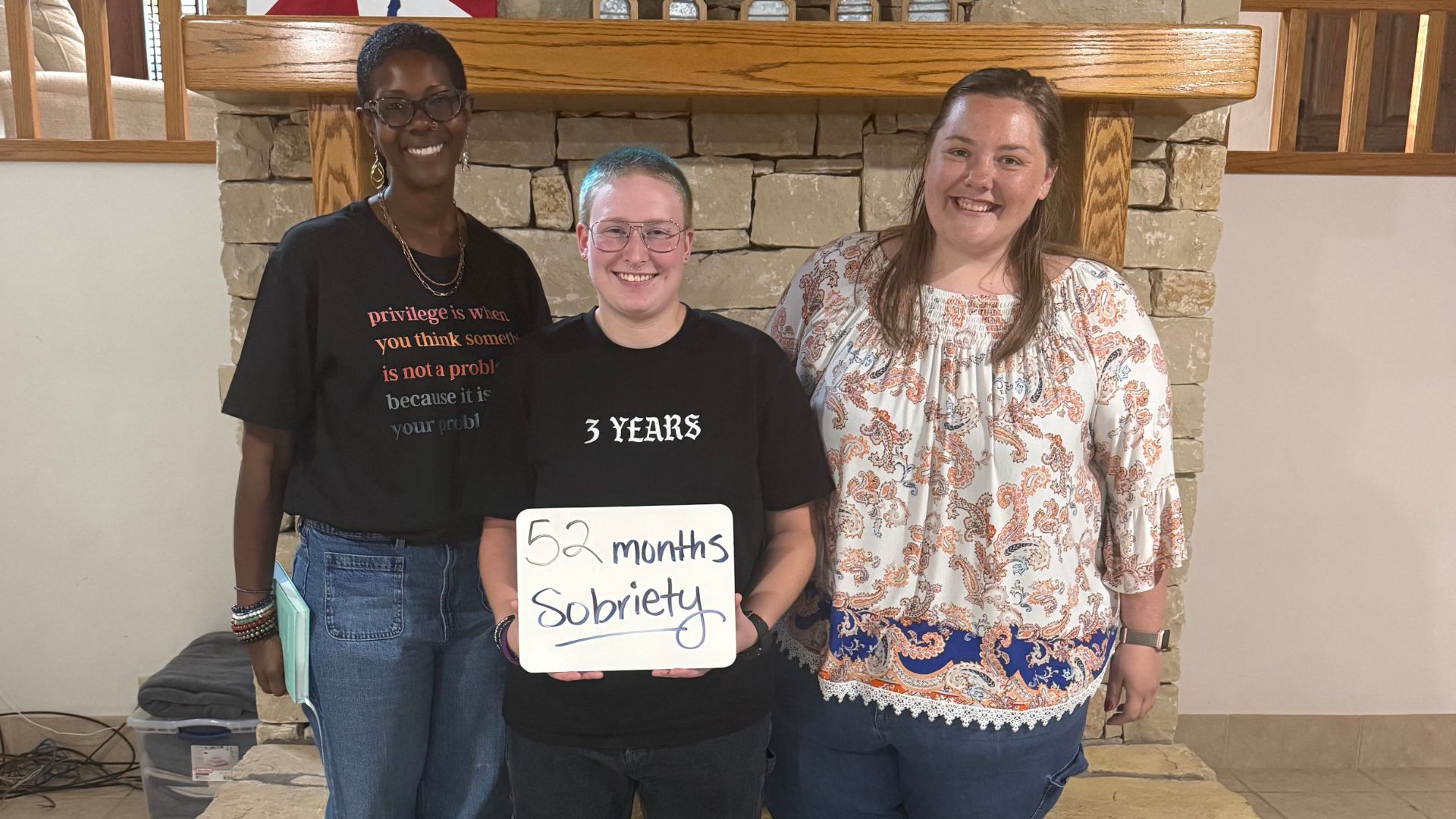
If staying sober were just about quitting substance use, addiction treatment would have a 100% success rate. But the reality is far more complicated than simply avoiding drugs or alcohol.
Recovery doesn't end when treatment does. In many ways, that's when the real work begins. You're no longer in a highly structured environment, and you're faced with the everyday realities of work, relationships, finances, stress, and unexpected challenges.
The good news? You don't have to navigate this next season alone.
To help give you a leg up on recovery, here are five often-overlooked ways to protect your sobriety long after treatment ends.
1. Build a Support System
One of the biggest predictors of long-term recovery isn't willpower — it's community.
Recovery was never meant to be a solo journey. When you're surrounded by people who understand your struggles, celebrate your victories, and hold you accountable, you're far more likely to stay on track.
A healthy support system can include recovery peers, mentors, sponsors, counselors, pastors, family members, and trusted friends. The key isn't having dozens of people in your corner (though that can definitely help), but rather having a few people you can call before a difficult day becomes a relapse.
2. Don't Measure Recovery Only by Sobriety
Sobriety is an incredible milestone, but it isn't the only measure of progress. When you focus only on sobriety, it's easy to overlook the incredible personal growth happening along the way.
To keep a positive mindset and push yourself to truly grow in recovery, ask yourself questions like:
- Am I becoming more honest?
- Am I handling conflict in healthier ways?
- Are my relationships improving?
- Am I taking responsibility for my actions?
- Am I growing spiritually and emotionally?
Recovery is about becoming healthier in every area of life. Sobriety is simply counting the number of days since your last drink or drug.
3. Find Purpose Beyond Recovery
In the early stages of recovery, much of your energy is spent staying sober. And that's exactly where it should be. But over time, your focus has to shift from simply avoiding your old life to intentionally building a new one (and not just through healthy habits and better coping skills).
Whether it's rebuilding your family, pursuing a career, serving at your church, mentoring someone newer in recovery, or discovering gifts you never realized you had, having something meaningful to work toward changes your perspective, which will help you maintain sobriety after addiction treatment.
For many, investing in spiritual growth becomes the foundation for that new life. Developing a relationship with Christ offers a new identity. Instead of being defined by past mistakes or addiction, you begin to see yourself as someone created with purpose and called to something greater.
4. Learn to Ask for Help Early
You will have hard days. There will be times when you desperately want to turn to drugs or alcohol to cope. That's not a sign that you've failed. It's a reminder that recovery is an ongoing journey.
To help prevent relapse, don't wait until you're sitting at the bar or your dealer's house to ask for help. Reach out at the first sign of struggle. If you're feeling isolated, overwhelmed, discouraged, or tempted, call someone you trust.
The earlier you ask for help, the easier it is to change course.
5. Choose Long-Term Sober Living
Rather than returning to the same environment that may have contributed to your addiction, a sober living home gives you the opportunity to continue growing in a safe, structured, and supportive community.
At Hope is Alive, we provide more than recovery housing; we provide a community where people can continue growing long after rehab. Residents find accountability, genuine friendships, purpose, and people who understand that lasting recovery happens one day at a time.
Since 2013, we've had the privilege of walking alongside thousands of men and women as they rebuild their lives. Today, 84% of our graduates maintain long-term sobriety, and we firmly believe it’s because of our one-of-a-kind program that leads people to Jesus.
If you or someone you love is looking for support after addiction treatment, you don't have to navigate recovery alone.
Whether you're taking your first step after treatment or searching for a place to continue your recovery journey, Hope is Alive is here to help you build more than sobriety — we're here to help you build a life filled with hope, purpose, and lasting freedom.
Ready to take the next step? Find a Hope is Alive home near you or contact our team to learn how our recovery program can help you or your loved one experience lasting recovery.
What the Bible Says About Addiction | Bible Reading Plan
What the Bible Says About Addiction
Break free from destructive habits and discover what the Bible says about addiction, temptation, sin, and healing in this five-day reading plan. Perfect for anyone searching for devotionals on addiction recovery, temptation, mental health, pornography, alcohol, substance abuse, or spiritual freedom.
Start the plan here: What the Bible Says About Addiction