Support the vision at Hope Is Alive? Give a donation.


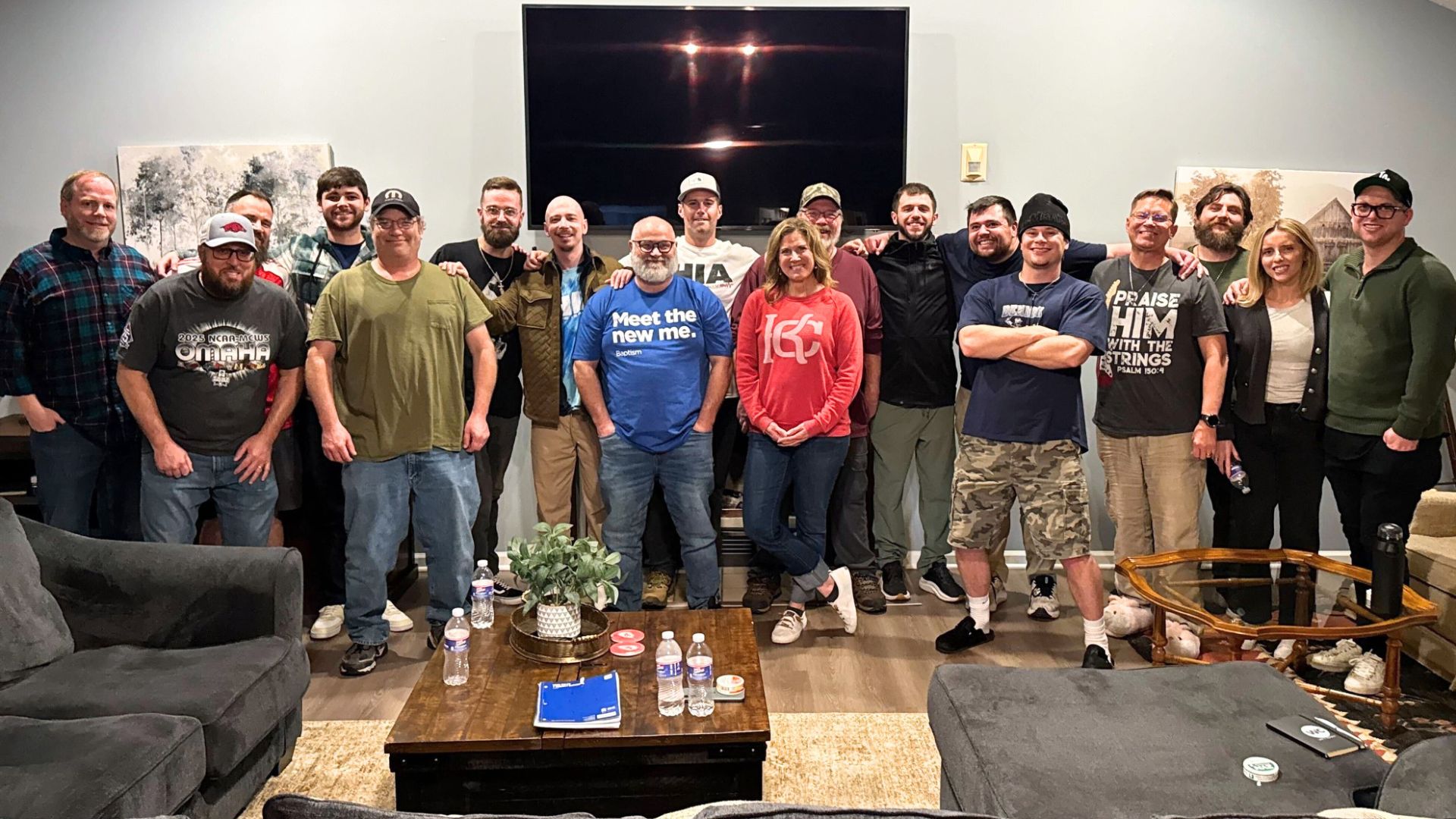
After service, when most people are heading out and the room is starting to quiet down, someone walks forward for prayer.
They hesitate for a second before speaking.
“It’s not for me,” they say. “It’s for my son.”
Sometimes it’s a daughter. Sometimes a spouse. But the story is the same: Someone they love is caught in addiction, and they don’t know what to do.
So the church does what it knows to do. It gathers around them, places hands on their shoulders, and prays. But when the prayer ends, the person in need of help is often left wondering, “What now?”
For Felecia Athey, a leader at Journey Church in Kansas City, that question began to feel all too familiar.
“People don’t talk about addiction in church,” Felecia explained. “There’s a lot of shame and guilt, and you don’t always know who’s walking through it.”
After people started coming forward with their experiences with addiction, Felecia realized that Journey Church didn’t have clear next steps for anyone who needed them. Yes, the church could pray. But they didn’t have the resources to help people take the next step toward recovery.
That began to change when Felecia first encountered Hope is Alive.
At the time, their church wasn’t even looking for another local partner. They were already connected to several organizations in their community. But after learning more about the program, the decision came easily.
“After that first Sunday night meal, I was overwhelmed by the camaraderie of the women and how welcoming they were, inviting strangers into their journey and their struggle. The whole atmosphere and environment were like a big family, and I was shocked at how Jesus was always the focus and the answer to everything,” Felecia shared. “So, I asked God: What are we doing here? What does this look like for our church? Is this something you would want us to partner with?”
At first, she thought Hope is Alive would primarily be a way for Journey Church to have a bigger impact on the community through relationships and discipleship. What Felecia didn’t expect was how quickly Hope is Alive would become not just a place to serve but also a resource to lean on.
“I didn’t realize the value of having a resource like Hope is Alive,” she shared. “At first, I just saw it as another community partner — somewhere we could go, serve, and pour into others. But now I see that we actually have somewhere to point people when they need help.”
Just recently, two mothers reached out to Felecia looking for help for their children who were struggling with addiction. In the past, those conversations might have ended with prayer and encouragement, but little direction.
Because of Hope is Alive, though, Felecia was able to connect them with resources. Even if someone doesn’t qualify for Hope is Alive’s program, HIA still helps connect them to other places that might be able to help.
That’s when Felecia realized that this partnership wasn’t just about what Journey Church could give to Hope is Alive but also about what they now had to offer members of their congregation.
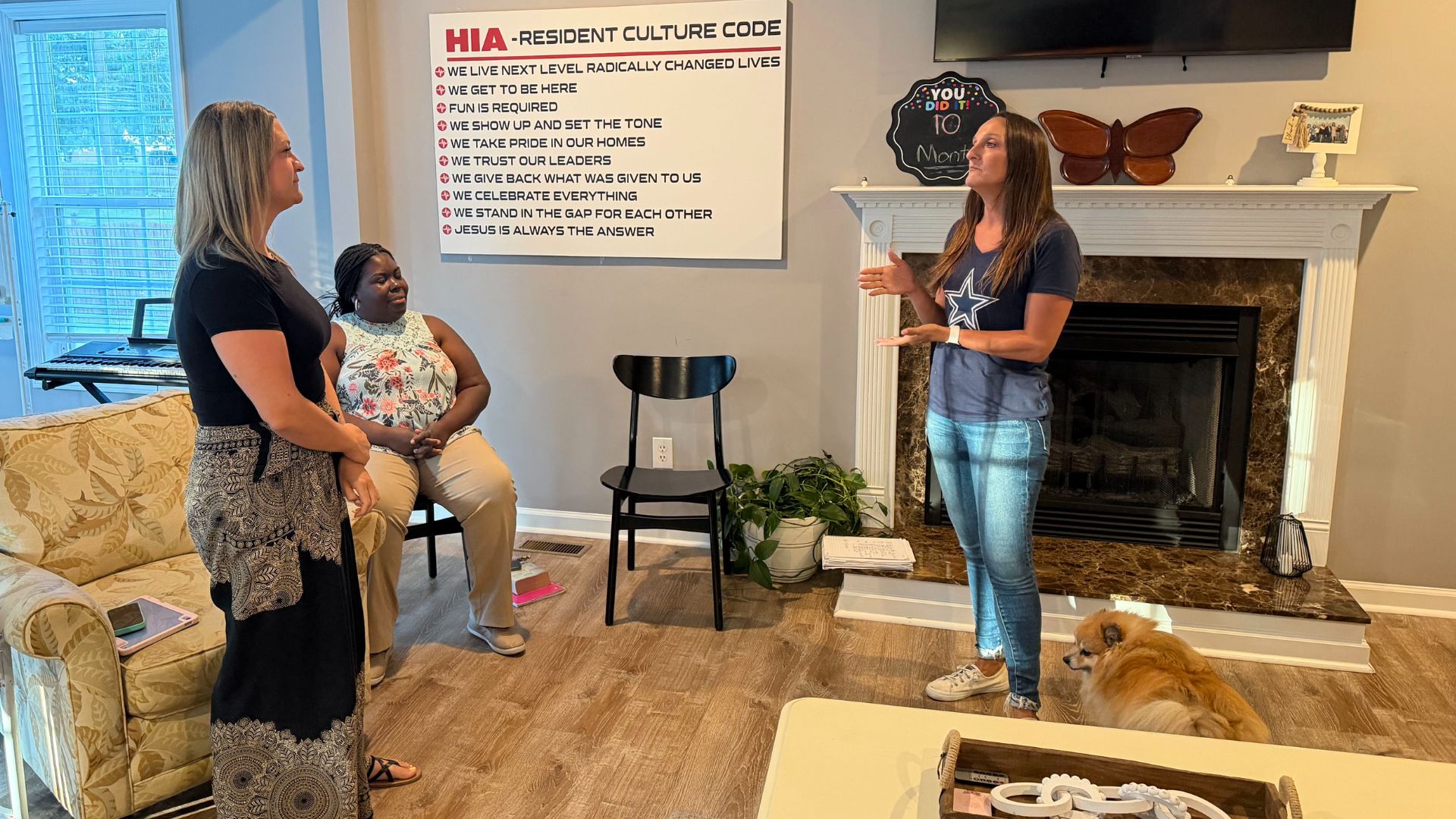
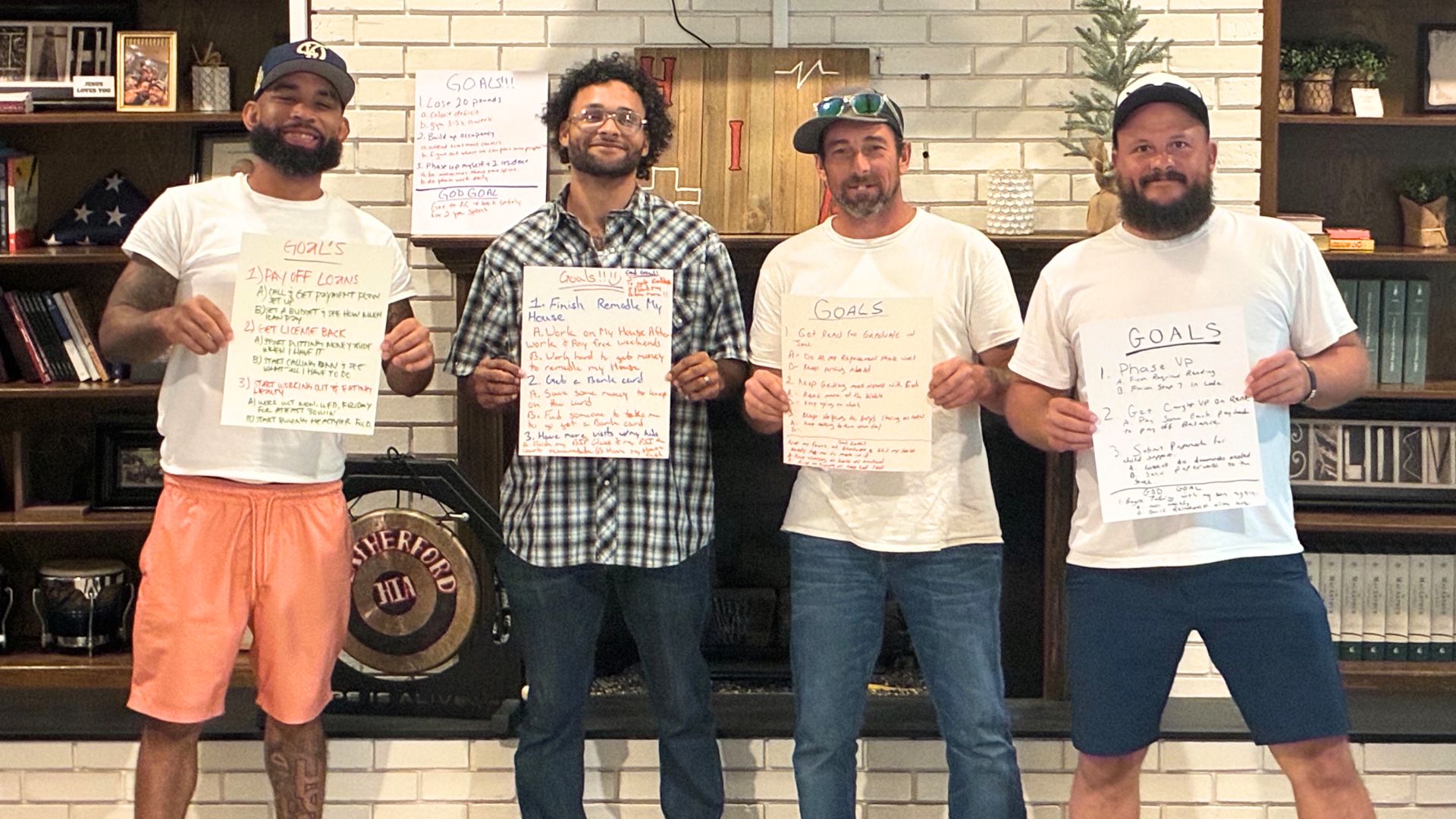
Today, Journey Church has a small but committed group actively involved with Hope is Alive’s recovery program — men going to the men’s home, women to the women’s home — building relationships, sharing meals, and stepping into stories they might never have encountered otherwise.
And through it all, Felecia has watched something powerful unfold inside the homes.
“The biggest impact for me is seeing the transformation,” she said. “Some of the women didn’t even have a relationship with Jesus before they came into the program. And now they’re discovering Him for the first time. It’s like watching someone become a new person.”
That transformation, both inside the homes and within the church, is what continues to affirm that this partnership was never accidental.