Support the vision at Hope Is Alive? Give a donation.



An alcohol addiction doesn’t always look the way people expect. Not everyone who struggles with alcohol loses their job or their relationships. In fact, many individuals maintain careers, families, social lives, good finances, and daily routines while battling dependency behind the scenes. This is often referred to as functioning alcoholism. Because of the high-functioning nature of those impacted, it can be difficult to recognize that your loved one has a substance use disorder.
At Hope is Alive, we understand how confusing and painful it can be to suspect a loved one is struggling with alcoholism. Knowing the signs is the first step toward helping them — and yourself.
A functioning alcoholic is someone who appears to manage daily responsibilities while still having a problematic relationship with alcohol. They can still perform well at their job and some can even appear sober to those who don’t know them well. Generally, they seem “in control” of their alcohol consumption. Nonetheless, alcohol still plays a central and unhealthy role in their life.
Because things may look “fine” from the outside, the issue often goes unnoticed or is minimized.
Your loved one may turn to alcohol to manage their emotions. If they are stressed, they are more likely to drink. If they are anxious, they are more likely to drink. If they are in physical pain, they are more likely to drink. Essentially, instead of using controlled medications or healthy coping habits like journaling, they turn to alcohol to solve all of their problems.
Even if it’s “just a few drinks,” consistent daily use or an inability to skip drinking days can be a sign of alcoholism. If they do manage to go a few days without drinking, you might notice that they are shaky and moody — this is because of withdrawal.
You might hear things like:
These rationalizations help them avoid confronting the issue. They are a form of denial.
Functioning alcoholics often keep up appearances, but they can’t hide everything. Alcohol can affect emotional regulation. As such, you may notice:
They may:
Secrecy is a major red flag.
Over time, they need more alcohol to feel the same effects. This can escalate consumption without obvious outward signs.
For instance, three beers might have given them a buzz previously, but now it takes five. If they drink hard liquor, they might opt for drinks with a higher alcohol percentage to get the same effect without noticeably drinking more liquid.
Recognizing the signs of alcoholism in someone you love can feel overwhelming. You may wonder if you’re overreacting or if things are “really that bad.” But the truth is, functioning alcoholism is still alcoholism, and without help, it often worsens over time.
The good news is that recovery is possible, especially with professional help.
That’s where Hope is Alive and The Healing Center can help.
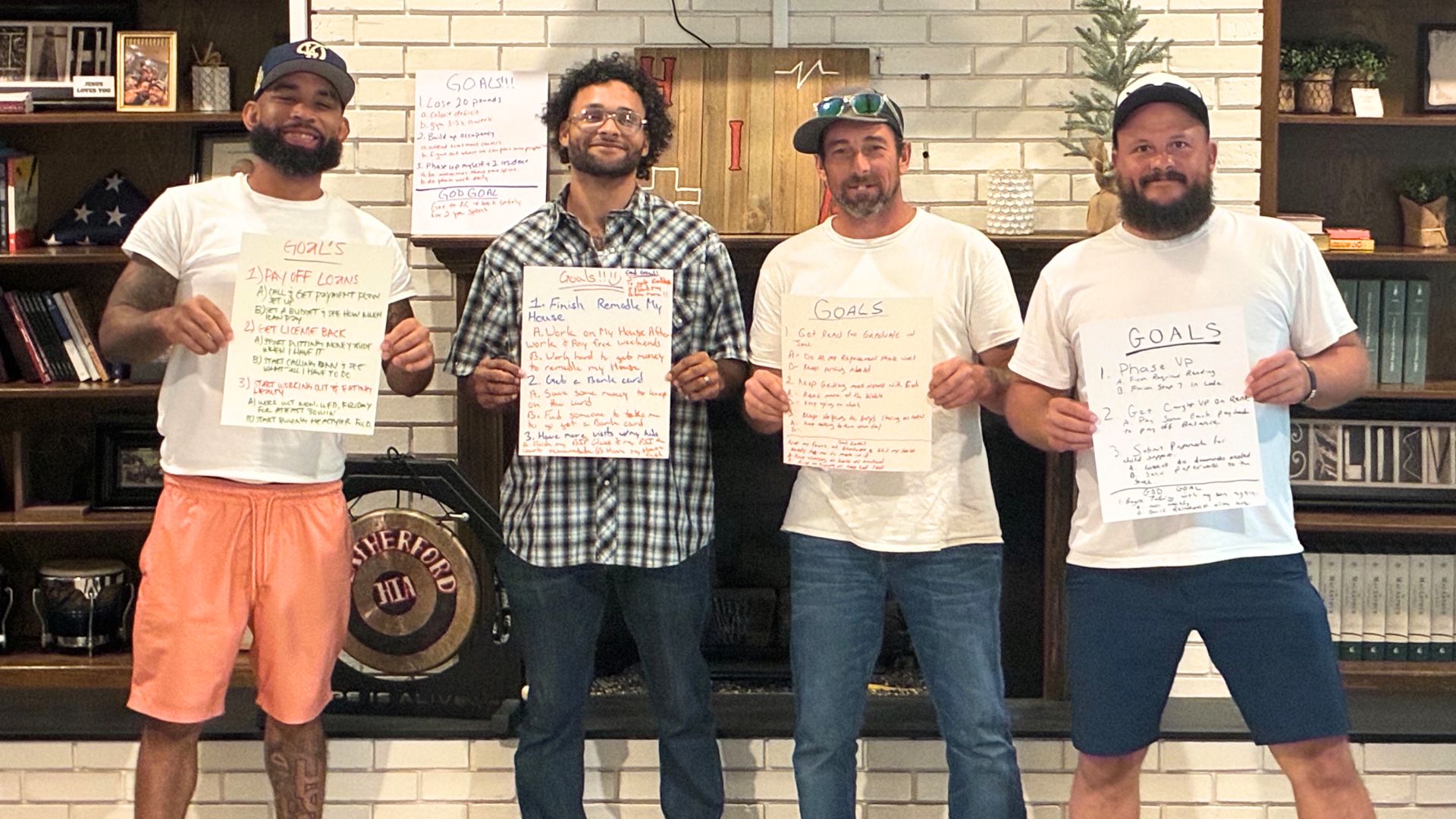
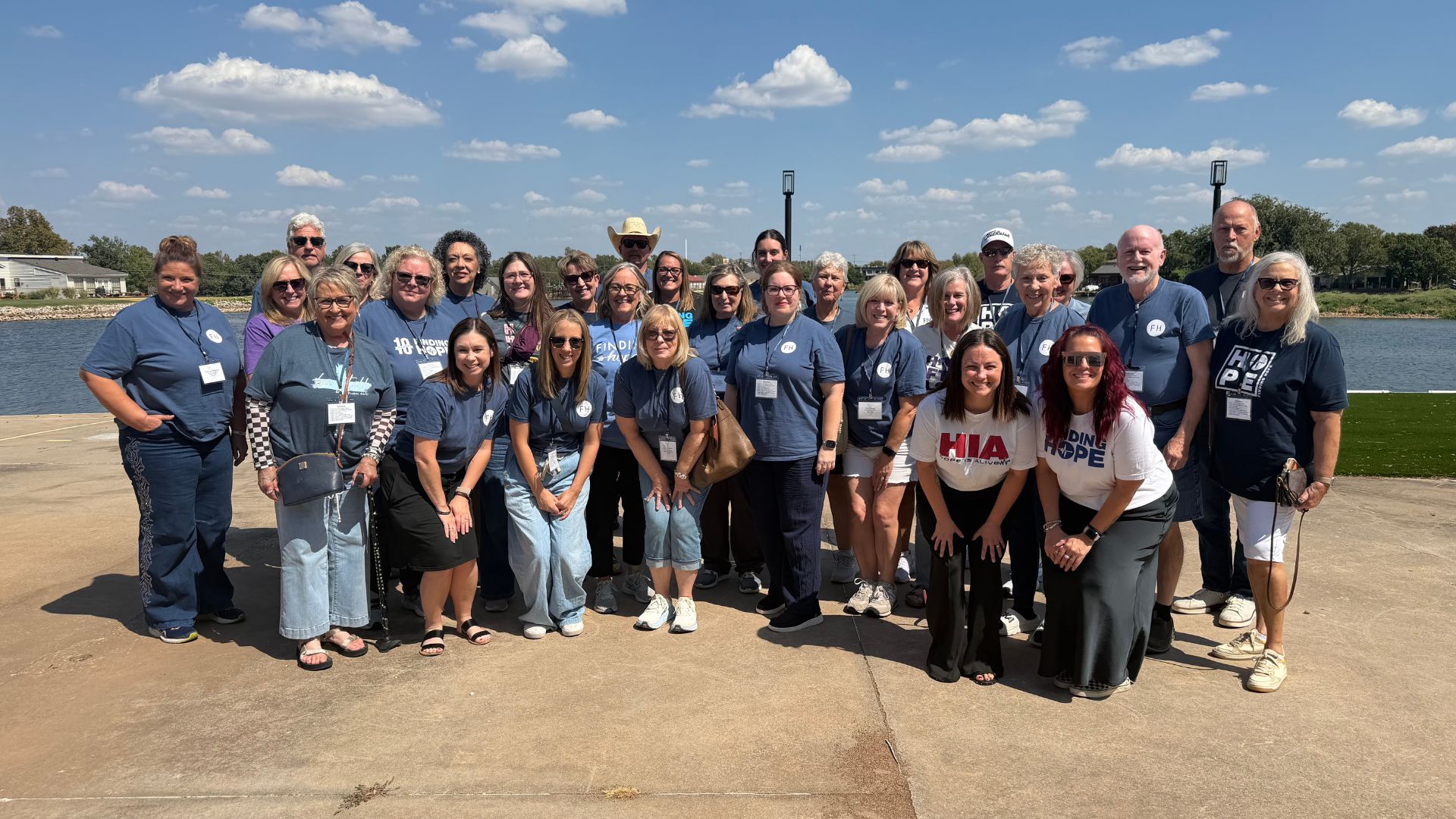
Hope is Alive is dedicated to transforming lives impacted by addiction through a holistic approach that includes recovery homes in six states, an innovative Healing Center for personalized recovery support, and compassionate support groups for families and loved ones through Finding Hope.
The Healing Center is a 45-day immersive experience that offers a trauma-informed, Christ-centered approach to radical life transformation for drug addicts, alcoholics, and men with gambling-related or sexual struggles.
Reach out to our HopeLine today to see which of our services is the best fit for you and your loved one. Call 1-844-3-HOPE-NOW or click here to fill out a contact form.