Support the vision at Hope Is Alive? Give a donation.


Treatment may have saved your life, but community is what teaches you how to live it.
Wondering what to do after addiction treatment? Completing treatment is a major milestone, but it's not the end of the recovery journey. The choices you make in the weeks and months that follow can have a lasting impact on your recovery.
At Hope is Alive, we've helped thousands of men and women navigate life after treatment. While every recovery journey is different, there are several steps that consistently help people build a strong foundation for lasting recovery.
One of the biggest mistakes people make after treatment is assuming they're ready to return to the same environment immediately. But feeling better doesn't always mean you're ready to face the same people, places, and situations that contributed to addiction.
If possible, give yourself additional time in a recovery-focused environment before returning to complete independence. The extra structure allows you to strengthen healthy habits before you're expected to manage everything on your own.
Recovery isn't a race. The goal isn't to get back to normal as quickly as possible. The goal is to build a life that supports long-term sobriety.
Most treatment centers develop an aftercare plan before discharge. Following that plan — whether it includes sober living, counseling, recovery meetings, or continued accountability — is one of the best ways to build on the progress made during treatment.
Your environment matters. Returning to a home where substance use is common, unhealthy relationships remain unchanged, or accountability is absent can make early recovery significantly more difficult.
Instead, look for an environment that reinforces the progress you've already made.
For many people, that means living in a structured sober living home where accountability, healthy routines, and community remain part of daily life. At Hope is Alive, we call our sober living homes mentoring homes because recovery is about more than having a safe place to live. Our program is led by graduates who have experienced its life-changing impact firsthand, providing the mentorship needed to bridge the gap between treatment and independent living.
Think about why treatment worked. It wasn't just because you stopped using drugs or alcohol. It was because there was accountability, structure, and people who noticed when you were struggling. There were opportunities to process challenges instead of avoiding them, and you were surrounded by others who were committed to recovery.
Those elements shouldn't disappear the day you leave treatment.
Continue attending recovery meetings, meeting with mentors, maintaining healthy routines, and staying connected to people who support your recovery. Structure isn't something you outgrow — it's something you should learn to build into everyday life.
Recovery was never meant to be done alone. The people you surround yourself with after treatment will influence the decisions you make, the habits you develop, and the direction your recovery takes.
That doesn't mean you have to cut ties with everyone from your past, but it does mean being honest about which relationships support your recovery and which ones threaten it. Healthy relationships encourage honesty, accountability, and growth. They challenge you when necessary and celebrate your progress along the way.
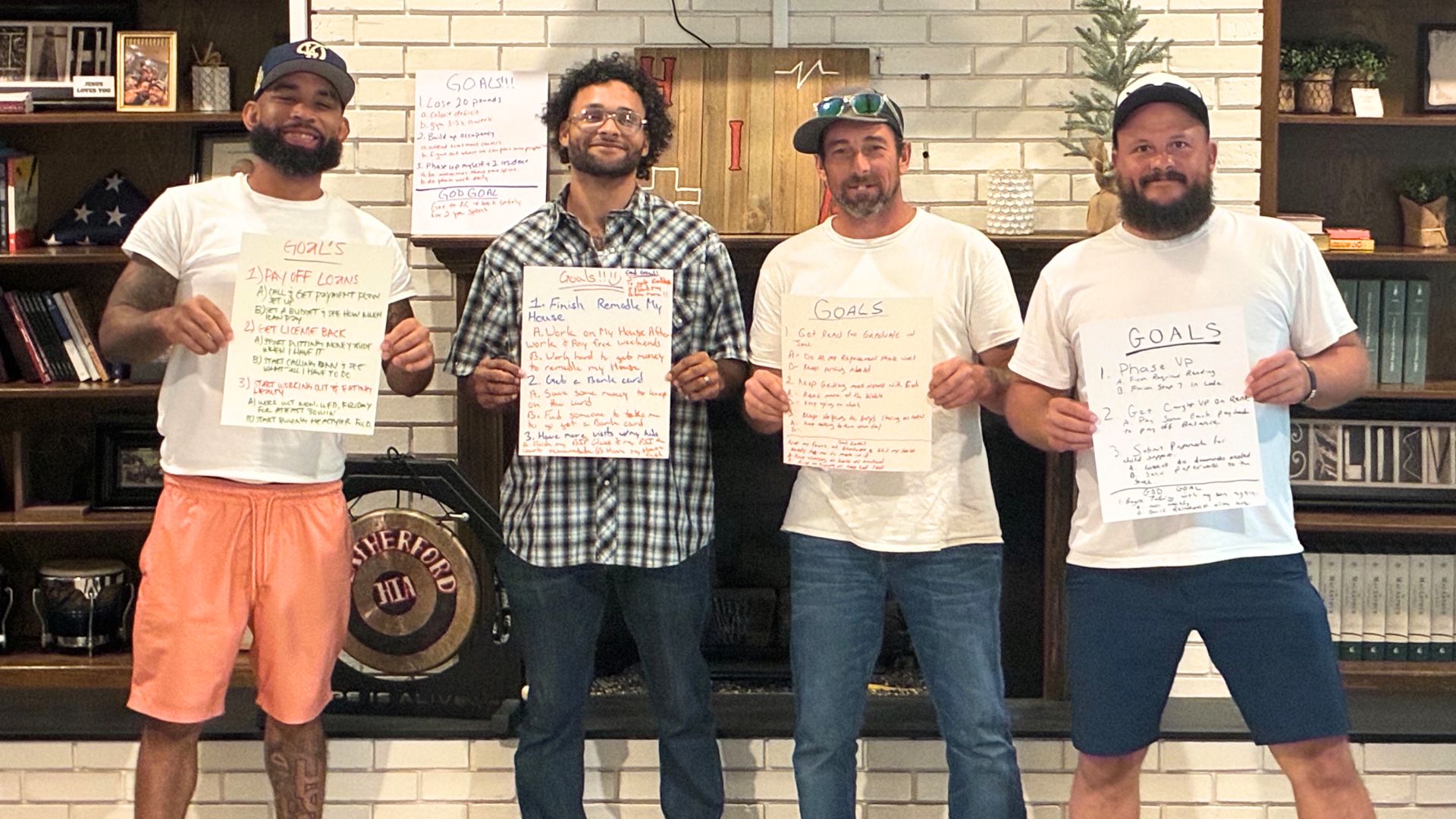
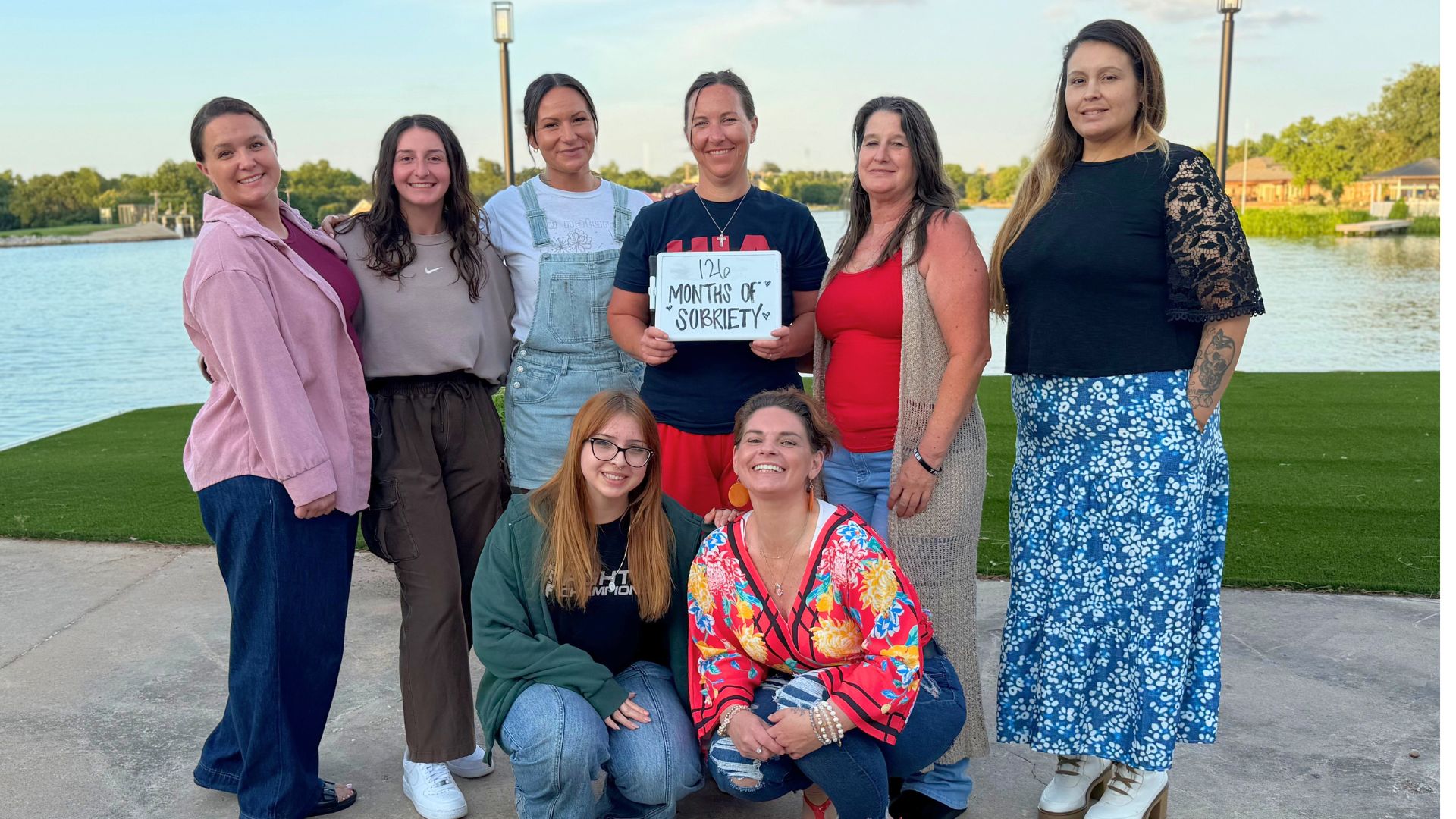
At Hope is Alive, residents live alongside others who understand the challenges of recovery because they've experienced them firsthand. Those relationships are invaluable for long-term recovery.
Recovery is about more than breaking free from addiction. It's about becoming the person God created you to be.
At Hope is Alive, we believe lasting transformation begins with a relationship with Jesus Christ. While treatment often focuses on physical and emotional healing, spiritual growth provides a foundation that continues long after someone leaves rehab.
Whether it's through daily prayer, Bible study, church involvement, or discipleship, staying connected to God provides strength, direction, and hope through every stage of recovery.
One of the greatest misconceptions about recovery is that it ends after treatment. In reality, treatment is just the beginning.
Recovery isn't something you graduate from. It's a lifelong commitment to making healthy decisions and continuing to grow. As life changes, your recovery will require different things from you, but it should never become an afterthought.
Recovery isn't about living in fear of relapse. It's about building a life that makes returning to addiction less and less appealing.
Completing addiction treatment is an incredible accomplishment, but it's only the beginning of the recovery journey. The decisions you make after treatment — where you live, who you spend time with, and how you continue investing in your recovery — can have a lasting impact on your future.
At Hope is Alive, we've seen firsthand what happens when people continue pursuing recovery in a structured, Christ-centered community. They don't just maintain sobriety. They rebuild relationships, develop healthy habits, discover purpose, and become leaders who help others find freedom from addiction.
If you or someone you love is preparing to leave addiction treatment, you don't have to navigate the next steps alone. Hope is Alive's faith-based mentoring homes provide the structure, accountability, community, and spiritual foundation needed to build a life of lasting recovery.
Contact Hope is Alive today to learn more about our sober living homes and take the next step toward lasting freedom.