Support the vision at Hope Is Alive? Give a donation.


Completing a rehab program is a major accomplishment, but it isn't the end of the recovery journey. In fact, many addiction professionals consider the months immediately following treatment to be one of the most important stages of recovery.
If you're wondering what happens after rehab, keep reading and find out what Hope is Alive recommends.
During treatment, individuals typically follow a structured schedule that includes counseling, group therapy, recovery education, and accountability. When rehab ends, that structure often disappears overnight.
Many people return to environments that include stress, family challenges, financial responsibilities, work obligations, and social situations that may have contributed to substance use in the past. Without a strong support system, navigating these challenges can feel overwhelming.
This is why most treatment providers recommend continuing care after rehab. Recovery is not simply about stopping substance use; it's about learning how to build a healthy, sustainable life in sobriety.
Many people leave rehab expecting life to immediately get better. In some ways, it does. There's often a renewed sense of hope, clearer thinking, and a desire to move forward. But recovery doesn't eliminate life's challenges — it simply gives people the opportunity to face them differently.
One of the first challenges many people face after rehab is rebuilding their daily routine. In rehab, schedules are often structured around therapy, meetings, and recovery-focused activities. Once treatment ends, individuals have to create that structure for themselves. Finding employment, managing responsibilities, attending recovery meetings, and maintaining healthy habits all become part of everyday life. Without intentional structure, it's easy to feel overwhelmed or disconnected from recovery goals.
Relationships can be difficult to navigate after treatment. Many people enter rehab with strained family relationships, broken trust, or unresolved conflict. While completing treatment is an important step, healing those relationships usually takes time — sometimes months, and other times years.
Life doesn't suddenly become easier after rehab. Work pressures, financial concerns, family responsibilities, and unexpected challenges still exist. The difference is learning how to respond to stress without turning to drugs or alcohol. Developing healthy coping skills is one of the most important parts of long-term recovery.
Many people return home to the same places, people, and situations that were connected to their substance use. Learning how to recognize triggers and create healthy boundaries can help protect recovery during this vulnerable stage.
One of the most overlooked challenges after rehab is loneliness. Recovery is difficult when someone tries to do it alone. Finding supportive friendships, mentors, and a recovery community provides encouragement, accountability, and a sense of belonging throughout the recovery journey.
Getting sober is the goal in treatment, but building a meaningful life is the goal of recovery. Many people spend time after rehab rediscovering their passions, pursuing career goals, repairing family relationships, and creating a future they can be excited about. Recovery becomes much more sustainable when there is something meaningful to work toward.
One of the most effective ways to bridge the gap between treatment and independent living is through a recovery housing program or sober living community. These environments provide structure, accountability, and peer support while individuals continue building a foundation for long-term recovery.
Rather than immediately returning to old routines and environments, residents have the opportunity to strengthen healthy habits, develop life skills, and surround themselves with others who are pursuing recovery.
For many people, this additional support can make the difference between short-term sobriety and lasting recovery.
At Hope is Alive, we understand that treatment is often just the beginning. Our focus is on helping individuals move beyond sobriety and build meaningful, purpose-driven lives in recovery.
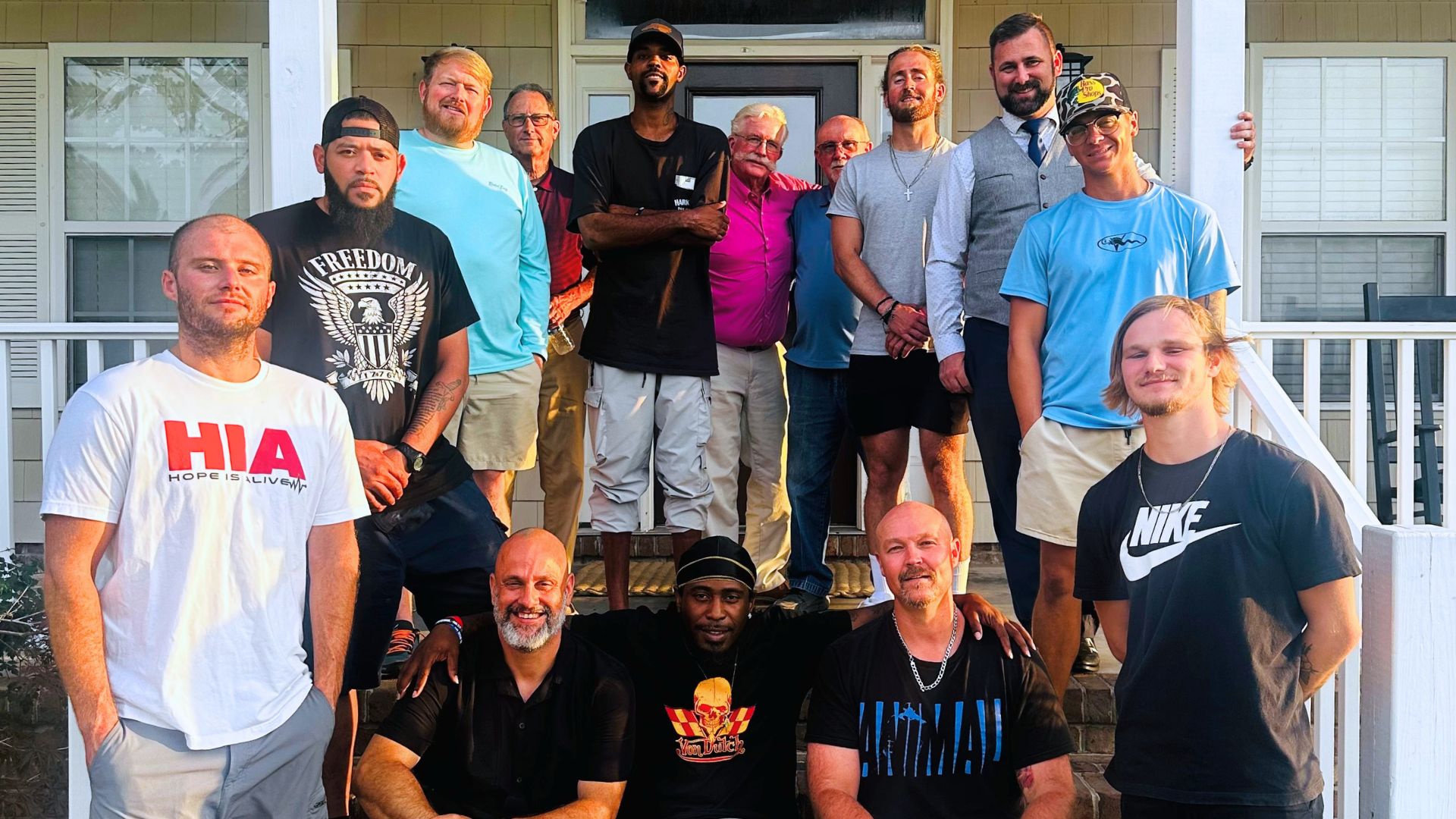
Through recovery housing, mentorship, accountability, and community, residents are given the opportunity to continue growing after treatment ends. They are surrounded by people who understand the challenges of recovery and who are committed to helping one another succeed.
Recovery is about more than avoiding relapse. It is about rebuilding trust, developing healthy relationships, finding purpose, and creating a future that feels worth fighting for.
One of the most common questions people ask is whether rehab works. The reality is that addiction recovery is an ongoing process, not a one-time event. Long-term success is often influenced by what happens after treatment, including participation in recovery communities, support groups, counseling, and recovery housing.
Individuals who remain connected to recovery resources tend to have stronger outcomes than those who attempt to navigate recovery alone. For instance, graduates of Hope is Alive’s recovery program have an 84% success rate.
If your loved one is preparing to leave rehab, now is the time to start making a plan. One of the biggest mistakes families make is assuming that completing treatment is enough. While rehab is an important step, recovery outcomes are often influenced by the support, accountability, and environment a person has after treatment ends.
As discharge approaches, ask yourself: What is my loved one coming home to?
If they're returning to the same people, places, and patterns that contributed to their addiction, recovery may become much more difficult. Early recovery is often a vulnerable time, which is why many addiction professionals recommend a step-down level of care such as sober living or recovery housing.
For many families, the next step after rehab is finding a recovery-focused living environment where their loved one can continue building healthy habits while receiving accountability and support. Rather than navigating early recovery alone, individuals have the opportunity to live alongside others who are committed to sobriety and personal growth.
At Hope is Alive, we encourage families to begin exploring recovery housing options before treatment ends. Having a plan in place can help reduce uncertainty and provide a smoother transition from rehab to everyday life. Our faith-based recovery homes offer structure, mentorship, community, and support designed to help residents continue growing long after treatment is complete.
The goal isn't simply to help someone leave rehab. The goal is to help them stay in recovery.
The first priority after rehab should be establishing a recovery plan that includes accountability, support, and a stable living environment. Many individuals choose sober living or recovery housing to help bridge the gap between treatment and independent living.
While not everyone requires sober living after rehab, many addiction professionals recommend it.
Common challenges after addiction treatment include rebuilding daily routines, repairing relationships, avoiding triggers, finding employment, managing stress, and maintaining a strong recovery support system.
Families can support addiction recovery by encouraging healthy boundaries, promoting accountability, participating in family recovery resources, and helping their loved one connect with ongoing support programs.
If you're looking for support while your loved one navigates life after rehab, consider joining Finding Hope, Hope is Alive's support group for family members and loved ones affected by addiction. Finding Hope provides education, encouragement, and community for those walking alongside someone in recovery.
If your loved one is preparing to leave treatment, Hope is Alive can help them take the next step with confidence. Reach out today to learn more about the services we offer for drug addicts, alcoholics, and those who love them.