Support the vision at Hope Is Alive? Give a donation.


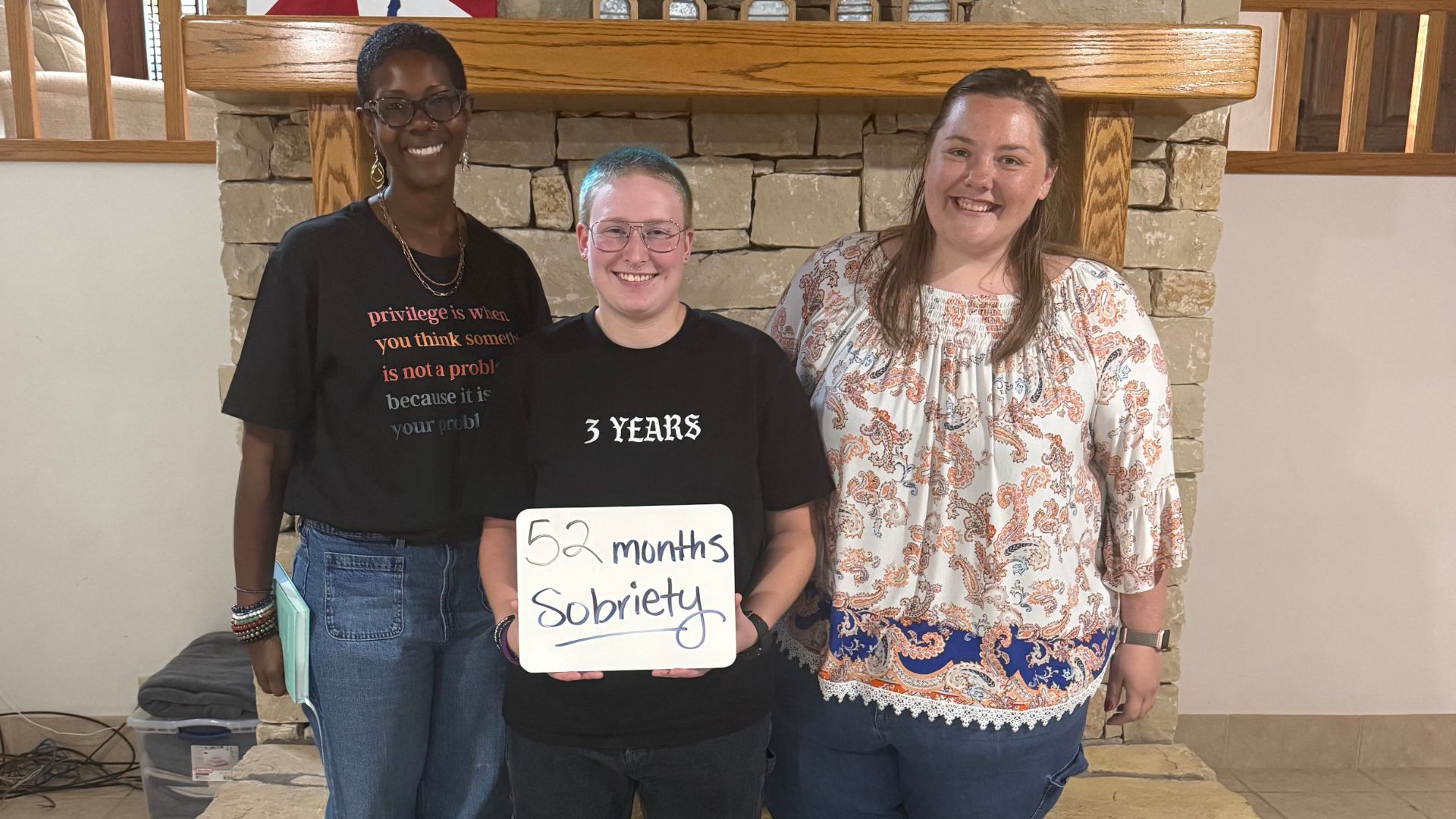
If staying sober were just about quitting substance use, addiction treatment would have a 100% success rate. But the reality is far more complicated than simply avoiding drugs or alcohol.
Recovery doesn't end when treatment does. In many ways, that's when the real work begins. You're no longer in a highly structured environment, and you're faced with the everyday realities of work, relationships, finances, stress, and unexpected challenges.
The good news? You don't have to navigate this next season alone.
To help give you a leg up on recovery, here are five often-overlooked ways to protect your sobriety long after treatment ends.
One of the biggest predictors of long-term recovery isn't willpower — it's community.
Recovery was never meant to be a solo journey. When you're surrounded by people who understand your struggles, celebrate your victories, and hold you accountable, you're far more likely to stay on track.
A healthy support system can include recovery peers, mentors, sponsors, counselors, pastors, family members, and trusted friends. The key isn't having dozens of people in your corner (though that can definitely help), but rather having a few people you can call before a difficult day becomes a relapse.
Sobriety is an incredible milestone, but it isn't the only measure of progress. When you focus only on sobriety, it's easy to overlook the incredible personal growth happening along the way.
To keep a positive mindset and push yourself to truly grow in recovery, ask yourself questions like:
Recovery is about becoming healthier in every area of life. Sobriety is simply counting the number of days since your last drink or drug.
In the early stages of recovery, much of your energy is spent staying sober. And that's exactly where it should be. But over time, your focus has to shift from simply avoiding your old life to intentionally building a new one (and not just through healthy habits and better coping skills).
Whether it's rebuilding your family, pursuing a career, serving at your church, mentoring someone newer in recovery, or discovering gifts you never realized you had, having something meaningful to work toward changes your perspective, which will help you maintain sobriety after addiction treatment.
For many, investing in spiritual growth becomes the foundation for that new life. Developing a relationship with Christ offers a new identity. Instead of being defined by past mistakes or addiction, you begin to see yourself as someone created with purpose and called to something greater.
You will have hard days. There will be times when you desperately want to turn to drugs or alcohol to cope. That's not a sign that you've failed. It's a reminder that recovery is an ongoing journey.
To help prevent relapse, don't wait until you're sitting at the bar or your dealer's house to ask for help. Reach out at the first sign of struggle. If you're feeling isolated, overwhelmed, discouraged, or tempted, call someone you trust.
The earlier you ask for help, the easier it is to change course.
Rather than returning to the same environment that may have contributed to your addiction, a sober living home gives you the opportunity to continue growing in a safe, structured, and supportive community.
At Hope is Alive, we provide more than recovery housing; we provide a community where people can continue growing long after rehab. Residents find accountability, genuine friendships, purpose, and people who understand that lasting recovery happens one day at a time.
Since 2013, we've had the privilege of walking alongside thousands of men and women as they rebuild their lives. Today, 84% of our graduates maintain long-term sobriety, and we firmly believe it’s because of our one-of-a-kind program that leads people to Jesus.
If you or someone you love is looking for support after addiction treatment, you don't have to navigate recovery alone.
Whether you're taking your first step after treatment or searching for a place to continue your recovery journey, Hope is Alive is here to help you build more than sobriety — we're here to help you build a life filled with hope, purpose, and lasting freedom.
Ready to take the next step? Find a Hope is Alive home near you or contact our team to learn how our recovery program can help you or your loved one experience lasting recovery.