Support the vision at Hope Is Alive? Give a donation.


Completing rehab is a major accomplishment — but what comes next?
For many individuals, the most vulnerable time in recovery is life after rehab. Without structure and support, old habits are a major risk of relapse. That’s why transitional housing for recovery plays such a critical role in long-term sobriety.
Recovery is not a 30-day process. It’s a lifelong journey. While inpatient programs provide intensive care, transitional housing helps individuals apply what they’ve learned in real-world settings.
A structured sober living program offers:
This combination dramatically increases the likelihood of long-term addiction recovery. But not all sober living homes near you provide the same level of structure. At Hope is Alive, our program is intentionally designed to promote responsibility and independence over time.
Residents participate in:
Structure creates stability. Stability builds confidence. Confidence strengthens recovery.
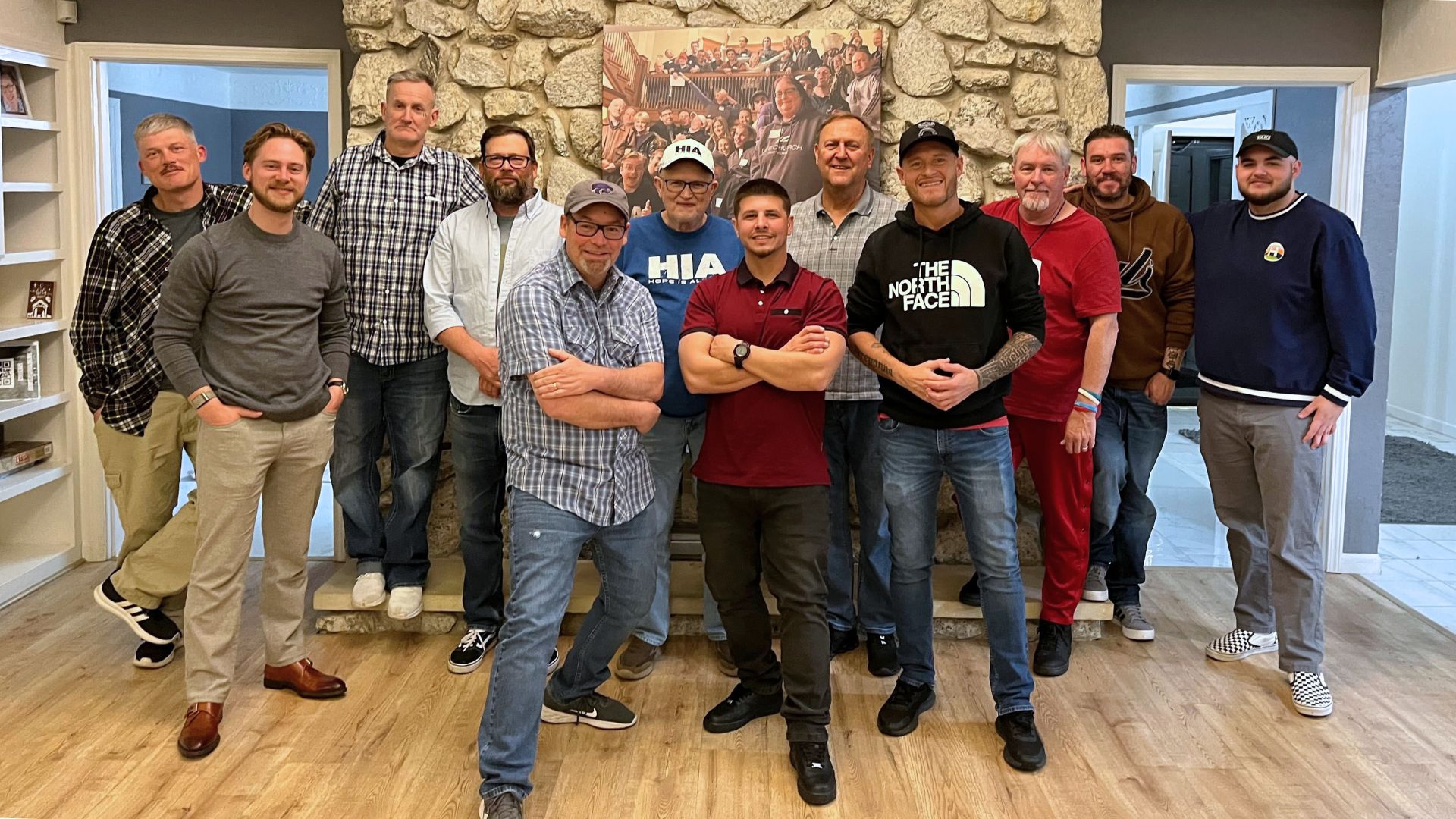
One of the most powerful elements of sober living is the built-in addiction recovery community. Living alongside others who understand the challenges of recovery can make a huge difference in long-term sobriety.
That’s why Hope is Alive creates an environment where friendships can thrive, residents can give back through mentorship, and everyone can learn and grow together through shared experiences, accountability, and positive peer influence.
Hope is Alive also gives residents a community beyond addiction recovery by connecting them to local churches. This connection provides opportunities for spiritual growth, healthy relationships, and a sense of belonging that extends outside the home.
As a faith-based recovery home, Hope is Alive emphasizes identity and purpose. For them, sobriety is about so much more than avoiding substances. Recovery is an opportunity to become the person you were created to be.
Recovery isn’t just about getting clean; it’s about building a life worth living.