Support the vision at Hope Is Alive? Give a donation.



Getting sober can change your life. Staying sober requires learning how to live that new life.
For many people struggling with drug or alcohol addiction, treatment is an important beginning. It provides separation from substances, professional support, recovery education, and time to heal. But eventually, treatment ends, and real life begins again.
Work. Relationships. Stress. Bills. Family. Loneliness. Old friends. Old neighborhoods. Old emotions.
This transition is one reason relapse is such a serious risk in early recovery.
The good news is that relapse does not have to be part of your story. Understanding why people relapse and choosing an environment that supports your recovery — including sober living or recovery housing when needed — can dramatically strengthen your foundation for long-term sobriety.
One of the biggest misconceptions about relapse is that it happens because someone simply decides they no longer want to be sober. In reality, most people who relapse do not wake up one morning and suddenly abandon everything they have worked for.
Relapse is often a progression. Small compromises begin to add up, stress goes unaddressed, and the person gradually becomes disconnected from the people and practices that were helping them stay grounded in recovery.
The return to drugs or alcohol may be the most visible part of a relapse, but it is often the last step in a process already underway.
For example, relapse can begin with something as simple as keeping a problem to yourself. Maybe you’re angry with someone, embarrassed about a mistake, or worried about money, but instead of talking about it, you decide you can handle it on your own. A few days of carrying that stress turns into avoiding people, skipping the things that normally keep you grounded, and letting your thoughts go unchecked.
You started moving away from the behaviors that protect your recovery long before you considered picking up a drink or drug. That’s not to say that moving away from healthy behaviors guarantees a relapse, but it does make it much more likely — especially in early recovery.
Because relapse often develops gradually, there are usually warning signs along the way. They will look different for everyone, but some of the most common include:
Warning signs are the behaviors that may indicate someone is moving toward relapse, but the cause is often something deeper. Understanding what is driving those changes can help you address the actual problem instead of simply trying to correct the behavior.
One of the most common causes of relapse is an unaddressed core wound. For many people, drugs and alcohol are a way to cope with pain they did not know how to process. Trauma, abandonment, rejection, grief, shame, abuse, or difficult family relationships do not automatically disappear when you get sober.
In fact, sobriety can bring some of those issues closer to the surface. Without drugs or alcohol to numb what you are feeling, you may find yourself confronting emotions and memories you spent years trying to avoid. If you never address what was underneath your substance use, it can be tempting to return to the thing that once provided temporary relief.
Stress is unavoidable, but too much of it without healthy ways to cope can put your recovery at risk. Financial problems, work pressure, relationship conflict, family responsibilities, and major life changes can pile up quickly. When you are overwhelmed, old coping mechanisms can start looking appealing again, especially if using drugs or alcohol was how you handled stress in the past.
The goal is not to create a life where nothing stressful ever happens. It is to learn how to recognize when you are overwhelmed and deal with that stress before it reaches a breaking point.
There is a reason you hear so much about changing your people, places, and things in recovery. Returning to the same bar, spending time with people you used drugs or drank with, or putting yourself in situations where drugs/alcohol are readily available can trigger thoughts and behaviors you thought you had left behind.
This can be especially difficult after treatment. You may have changed significantly during your time away, but the environment you return to may not have changed at all. If home means immediate access to substances, unhealthy relationships, or constant reminders of your addiction, staying sober can become much harder than it needs to be.
Getting sober can shrink your social circle quickly. Some relationships may need to end because they were built entirely around drinking or using, while others may have been damaged during active addiction. Even when separating yourself from those relationships is the right decision, the loneliness that follows can be difficult.
That empty space needs to be filled with healthy connection. Without it, isolation can make it easier to get stuck in your own thoughts and harder for anyone else to recognize when you are struggling. Building relationships with other people in recovery gives you somewhere to turn when the alternative is going back to people who are still living the life you are trying to leave.
Not every relapse happens when life is falling apart. Sometimes things are actually going really well. You have some sober time behind you, your relationships are improving, you're working again, and life finally feels manageable.
That's when it can become easy to believe you no longer need as much support. Boundaries loosen, meetings become less important, and you start thinking you can handle situations you would have avoided six months ago. Confidence is a good thing in recovery, but believing you are somehow beyond relapse can lead you to stop protecting what you worked so hard to build.
Treatment usually comes with a significant amount of structure. Your days are planned, expectations are clear, and there are people around you who know where you are and how you are doing. Leaving that environment and suddenly having complete freedom can be a much bigger adjustment than people expect.
Too much unstructured time can leave room for boredom, isolation, impulsive decisions, and old habits to creep back in. Accountability matters for the same reason. Having people who notice when you stop showing up, start isolating, or begin making questionable decisions can help catch a problem while it is still a problem — not after it has become a relapse.
Click here to learn more about triggers in addiction recovery!
You cannot eliminate every trigger from your life. Relapse prevention is about learning how to respond differently when those things happen. That means knowing your warning signs, addressing the deeper issues behind your addiction, staying connected to people who support your sobriety, and creating enough structure and accountability that you cannot easily disappear when things get hard.
It also means being intentional about your environment, particularly in early recovery. Where you live, who you spend your time with, and what you are surrounded by every day can either reinforce the changes you are making or constantly pull you back toward the life you are trying to leave behind.
For someone leaving treatment, choosing the right environment may be one of the most important relapse-prevention decisions they make.
Going directly from treatment back into complete independence can be a difficult transition, especially when home means returning to the same people, places, stressors, or lack of structure that surrounded your addiction. Sober living gives you more time to strengthen your recovery while still moving forward with everyday life.
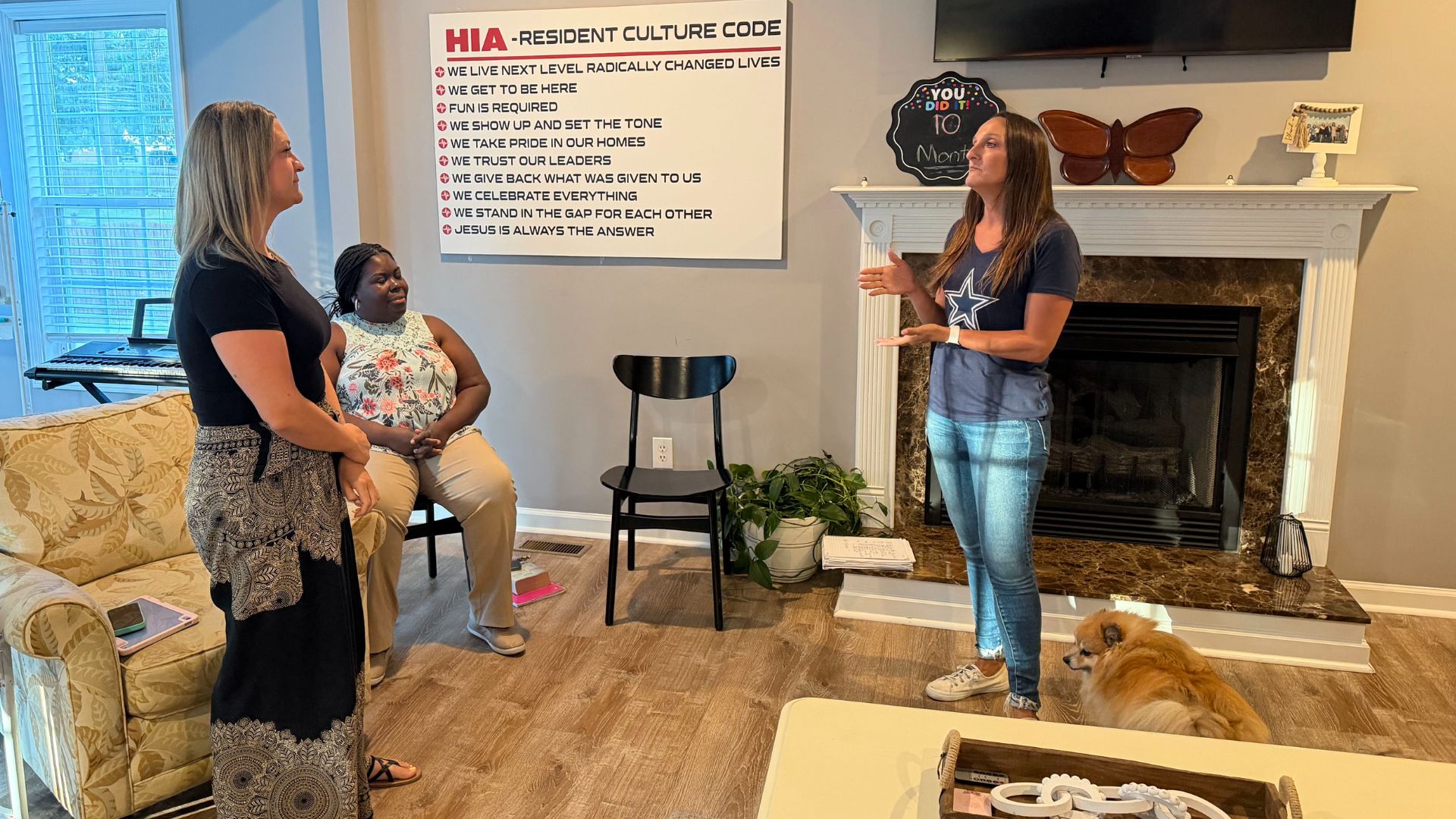
At Hope is Alive’s Recovery Homes, residents live in structured, faith-based sober living environments alongside other men or women who are pursuing the same thing: lasting recovery. You are able to work, rebuild relationships, take on responsibilities, and regain independence while still having accountability and a recovery community around you.
Instead of trying to figure out sober life by yourself, you are surrounded by people who understand exactly what it takes to build one.
Each Hope is Alive resident is paired with a dedicated sobriety coach and guided through a three-phase recovery curriculum that addresses the physical, emotional, relational, and spiritual areas of recovery. Residents also experience peer accountability, mentorship, life-skills development, and opportunities to become part of a larger recovery community. These are not meant to keep you dependent on a program; they are meant to help you develop the habits, relationships, and stability you will need long after you leave.
You worked hard to get sober. Give yourself the environment and support you need to stay that way.
To learn more about Hope is Alive or find out what other options are available, call the HopeLine at 1-844-346-7366 or click the button below.
.jpg)