Support the vision at Hope Is Alive? Give a donation.


When someone you love finally gets sober, you want to do everything you can to help them stay that way.
If you're a parent, you may want them back home where you can keep an eye on them. If you're a spouse, you may be ready to put the pieces of your family back together. After months or years of worrying, waiting, praying, and wondering what would happen next, having your loved one safe and sober can feel like the answer you've been asking for.
So it can be confusing when part of their recovery means they need something you can't provide on your own: a recovery community.
At Hope is Alive, we've watched hundreds of men and women rebuild their lives for years, and one thing we've learned is that who surrounds a person in early recovery matters tremendously.
Getting sober is the beginning. Learning how to live sober happens over time, and much of that learning happens alongside other people going through the exact same thing.
This can be a hard question for families. But your relationship with your loved one has history.
You may still be working through broken trust. You may find yourself questioning whether they're telling the truth because there were years when they weren't. You may be watching for signs of relapse without even realizing you're doing it. And your loved one may be carrying their own guilt and shame about what happened during their addiction.
Beyond that, there is something different about sitting across from someone who can say, “I've been there.” Someone who knows what cravings feel like. Someone who understands how strange it can be to learn how to have fun sober. Someone who knows what it's like to face the consequences of decisions made during addiction and still keep moving forward. Someone who won’t be impressed by excuses.
People in recovery tend to recognize the thinking that comes before the behavior because they've had many of those same thoughts themselves. They know what it sounds like when someone starts justifying a bad decision, pulling away, getting too comfortable, or convincing themselves that this time will somehow be different. And because they've been there, they can usually call it out in a way that family simply can't.
In other words, your loved one needs the guy across the room who can say, “I did the exact same thing at three months sober. Here's what happened.” They need the woman who is a year ahead of them to show them that the uncomfortable parts of early recovery don't last forever.
They also need to see recovery working in someone else's life. It's one thing to be told that life can be good without drugs or alcohol. It's another thing to live with people who are actually experiencing it.
Family will always matter. But you were never meant to be your loved one's entire recovery community. They need people beside them who understand the road they're walking because they're walking it too.
To find a community for you, consider joining Finding Hope — a support group for loved ones of addicts and alcoholics. Just like they need a community that gets it, you do too.
The time between treatment and fully independent living is a major transition, and going straight back to the same environment someone left can make it much harder to put everything they learned into practice.
Recovery housing provides a place to keep building. Your loved one gets to experience real life — work, relationships, responsibilities, stress, conflict, celebrations, and ordinary days — while still surrounded by structure and people committed to recovery.
Here are 10 of the biggest benefits to living in a recovery home:
This may sound obvious, but environment matters. It's incredibly difficult to build a new life while surrounded by substance use, crime, and instability. Recovery housing gives your loved one a home where sobriety is the expectation, not the exception.
Treatment is structured. Independent life usually isn't. Recovery housing helps bridge that gap by giving residents expectations, routines, responsibilities, and consistency while they learn how to create healthy structure for themselves.
Accountability is much more effective when it isn't limited to one appointment a week. In recovery housing, people are surrounded by others who see how they're actually doing. They notice patterns, ask questions, challenge excuses, and encourage one another to keep doing what they said they wanted to do.
Many people enter recovery realizing that some of their old relationships can't come with them. That can leave a huge hole. Recovery housing gives them the opportunity to build friendships that aren't centered around drinking, using, or getting into trouble.
Recovery doesn't happen in a vacuum. Your loved one still has to learn how to manage money, show up for work, deal with disappointment, communicate, resolve conflict, keep commitments, and make good decisions when nobody is forcing them to. Recovery housing gives them a place to practice those things with support nearby.
Sometimes going home too soon means stepping right back into the routines that were connected to addiction. Even with the best intentions, familiar places can make familiar behaviors easier to return to. Time in a new environment gives your loved one space to establish different routines before deciding what comes next.
Your loved one needs to discover that recovery isn't going to be a lifetime of sitting around wishing they could drink or use. They need to laugh, travel, celebrate, make memories, find new interests, and experience genuine fun without substances. Living around other people doing exactly that helps make a different future feel possible.
Addiction can leave people believing they can't be trusted with much of anything. Recovery gives them the chance to change that, one responsibility at a time. Getting a job, paying bills, completing commitments, helping around the house, and following through may seem ordinary, but each one helps rebuild confidence and character.
Sobriety doesn't instantly restore trust, and it shouldn't have to. Recovery housing can give families some much-needed space to heal while their loved one continues working on themselves. Instead of immediately returning to old family roles and dynamics, everyone has time to establish healthier boundaries and allow trust to be rebuilt through consistent actions.
Ultimately, recovery housing shouldn't just help someone avoid relapse. It should help them build a life worth protecting.
That's what we want for every person who walks through the doors of Hope is Alive. We want residents to grow physically, emotionally, relationally, and spiritually. We want them to discover who God created them to be, rebuild what addiction damaged, find purpose, and develop relationships that will continue long after they leave a Hope is Alive home.
The goal isn't for your loved one to need recovery housing forever. The goal is for the time they spend there to help prepare them for everything that comes after it.
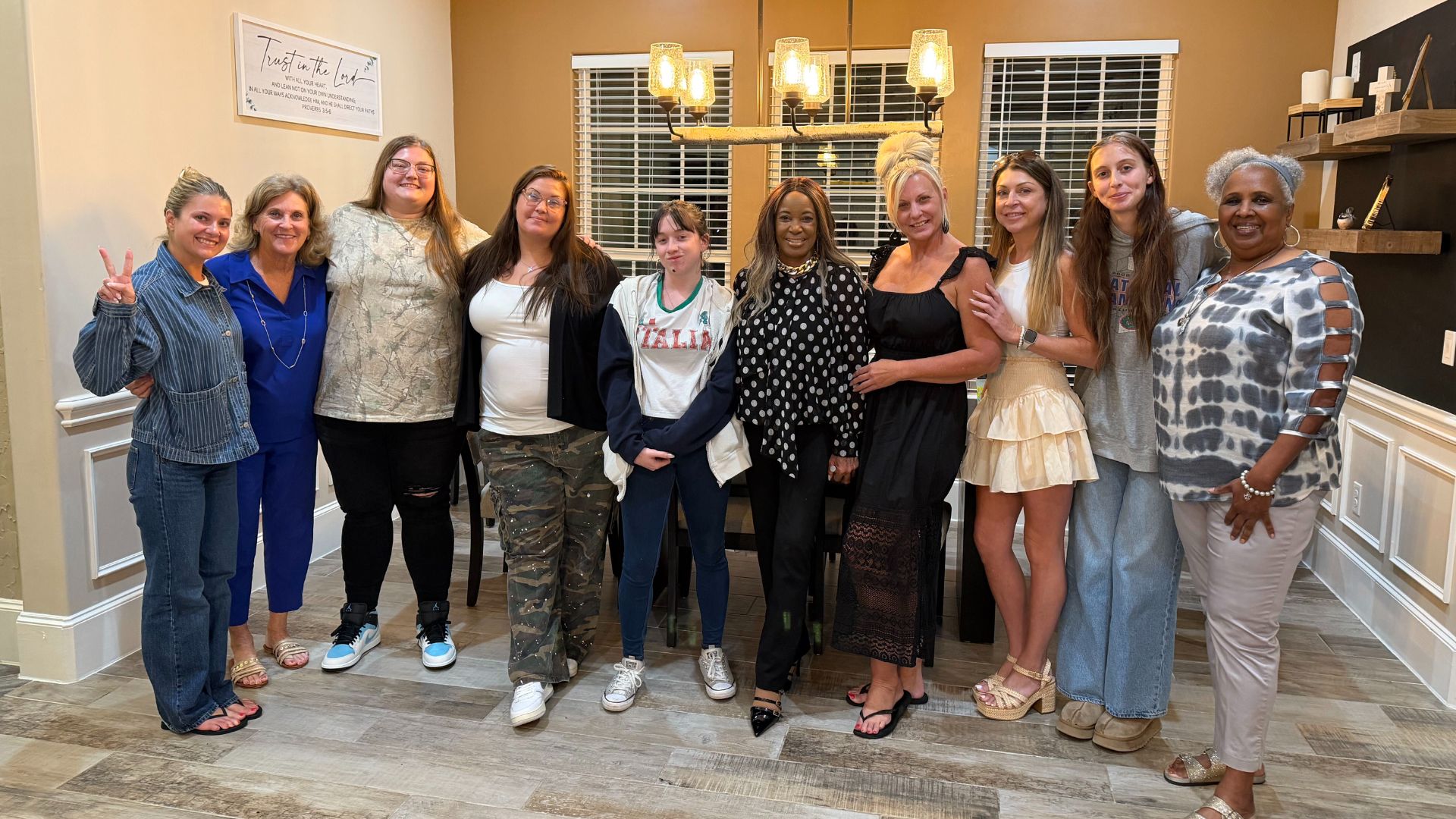
At Hope is Alive, recovery housing is about far more than providing a sober address. Our Recovery Homes provide structured, Christ-centered environments where men and women are surrounded by community while rebuilding their lives. Each resident is paired with a dedicated sobriety coach and guided through a three-phase recovery curriculum that addresses the physical, emotional, relational, and spiritual areas of recovery.
And perhaps just as importantly, they're doing all of it alongside people who understand.
If you're trying to decide what should come next for someone you love, know that the right recovery community can give them the chance to begin building a life they genuinely don't want to escape from.
Contact us today to learn more about our one-of-a-kind recovery program. Hope and healing are waiting.