Support the vision at Hope Is Alive? Give a donation.



There is a strange temptation after rehab to start measuring how quickly you can become a normal person again. Get a job. Fix things with your family. Make some money. Get your own place. Start dating. Catch up on everything addiction interrupted. After spending weeks or months with your life centered around recovery, it makes sense that you would want recovery to take up a little less space.
But that rush to get back to normal can create its own problems. The life you are returning to is not neutral. There are plenty of situations you haven't had to navigate sober yet. Even good things — more freedom, a paycheck, a new relationship, having people trust you again — can change the way you approach your recovery.
So, after rehab, the goal shouldn't be to prove how quickly you can move on from needing help. It should be to give yourself enough time to find out what your life actually looks like sober.
Knowing what not to do after rehab can be just as important as knowing what to do. Here are eight mistakes that can make recovery more difficult, and healthier choices you can make instead.
One of the biggest mistakes after treatment is believing the work is finished. Rehab can give you tools, perspective, stability, and a strong foundation. But long-term recovery is built through much more than that.
Recovery requires continued growth. That often includes meetings such as AA, counseling, a recovery program, accountability, spiritual development, healthy routines, and connection with other people in recovery.
Instead of thinking, “I finished treatment, so I’m good,” consider asking: “What am I doing today to strengthen my recovery?”
Returning to familiar places and relationships can also mean returning to familiar triggers. Old friends, neighborhoods, routines, and environments may be closely connected to substance use. Going straight back into those situations without boundaries or support can create unnecessary risk.
Sometimes protecting your recovery means changing where you spend your time. It may mean ending certain relationships, avoiding particular places, or finding a sober living environment where recovery is supported.
You don’t have to prove that you can handle every trigger. Protecting your recovery is more important than proving a point.
Learn more about triggers in addiction recovery here!
Isolation can happen quickly after rehab. Maybe you are embarrassed about where you have been. Maybe you feel behind compared to everyone else. Maybe you are tired of talking about recovery and just want to get on with your life. Whatever the reason, pulling away from people is rarely helpful.
You need people who know you well enough to notice when something is off. You need people you can be honest with before a bad day turns into a bad week. That could be people you met in treatment, a sponsor, a counselor, your family, people at church, or the recovery community around you.
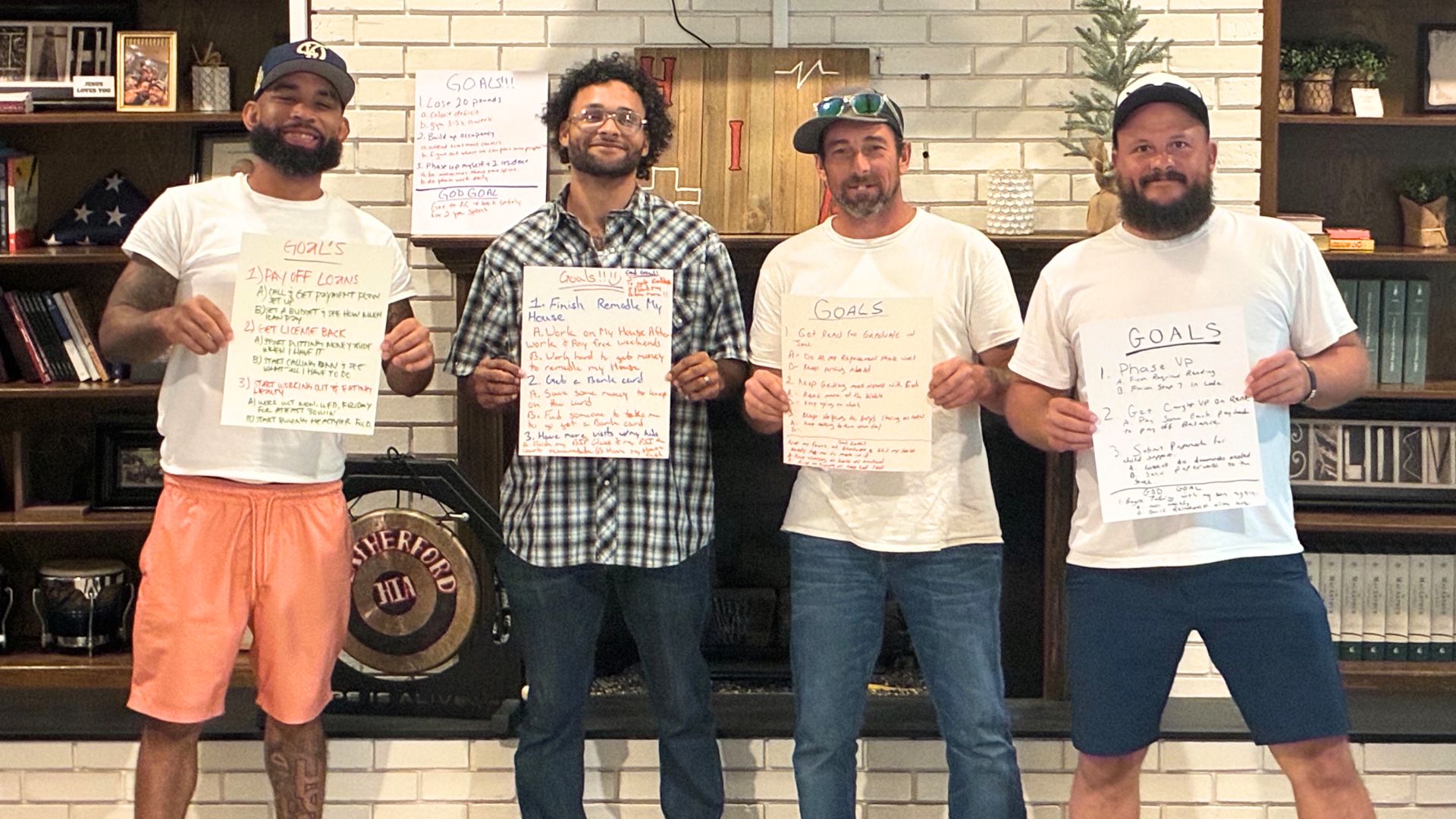
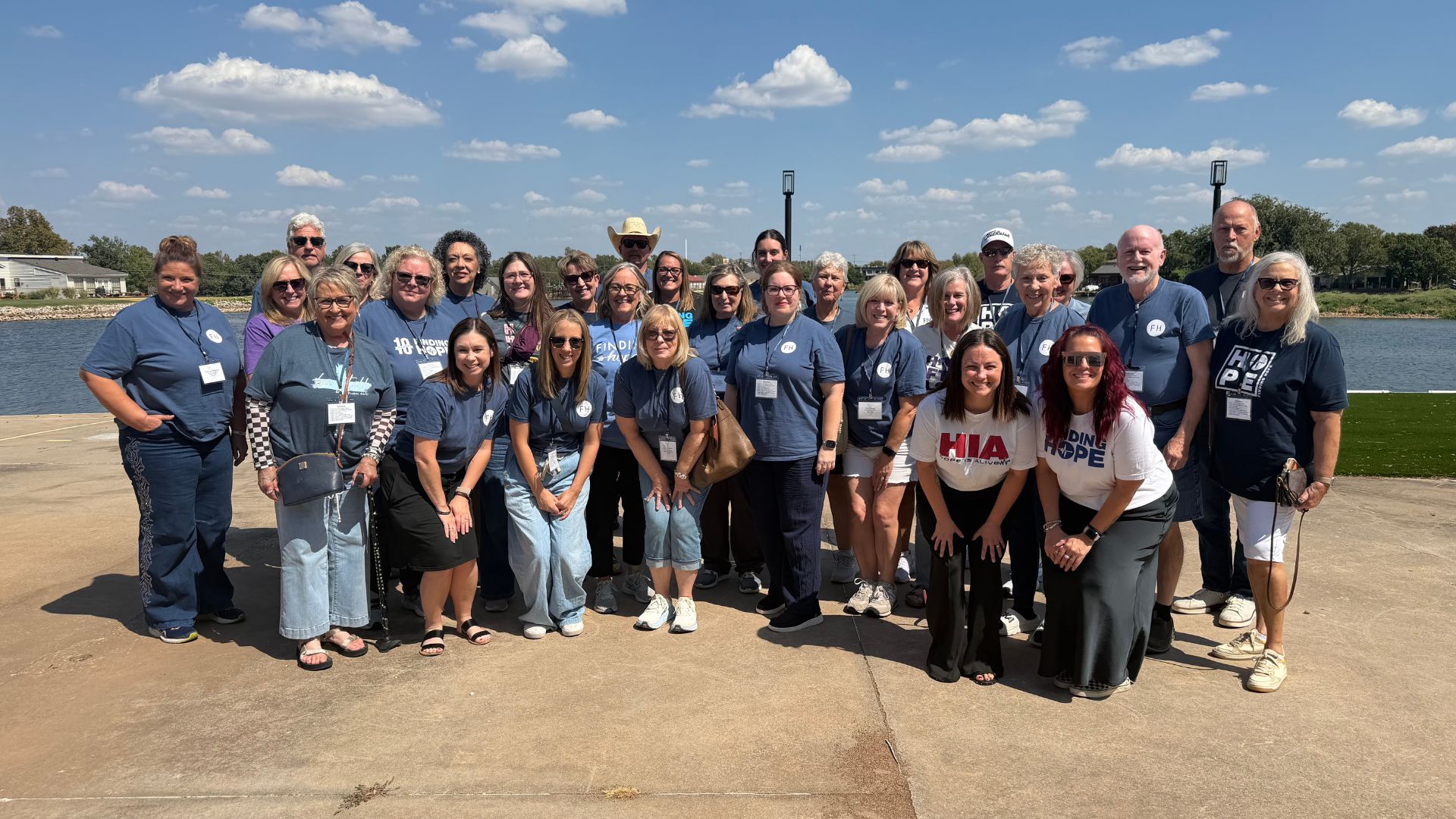
At Hope is Alive, community is a major part of what we do because we have seen what happens when people stop trying to recover by themselves. Having the right people around you does not make recovery easy, but it does make it much more difficult to disappear when you are struggling.
Addiction can take years from someone’s life, and it is natural to want those years back. After rehab, you may look around and see friends buying homes, building careers, getting married, raising families, or simply appearing further along in life than you feel. That can create pressure to catch up as quickly as possible.
The problem is that recovery does not need to happen on anyone else’s timeline. Taking on a demanding job, moving out on your own too soon, making major financial commitments, or trying to repair every part of your life at once can add stress before you have learned how to handle that stress sober.
There is nothing wrong with wanting more for your life. In fact, that is one of the best parts of recovery. Just give yourself permission to build it at a pace that allows you to keep it.
You may know that you are different when you leave treatment. Your family may still be waiting to see it.
For someone in early recovery, that can feel unfair. You are doing what everyone asked you to do, but those around you still do not completely believe what you tell them. It is important to remember that they experienced your addiction too, just from a different side of it.
Instead of trying to convince them you are different with words, try doing it with actions. Showing up when you say you will, being honest when it would be easier not to be, keeping commitments, and accepting boundaries gives the people in your life a chance to experience the person you are becoming and witness the change that has happened firsthand.
Recovery deserves to be a priority, but it should eventually make you more capable of participating in life, not less. Paying bills, doing chores, keeping commitments, helping other people, and being where you said you would be are all part of learning how to live differently.
Granted, returning to a completely “normal” life right after rehab is not something that you should do. Early recovery takes time, and taking on too much responsibility too quickly can create unnecessary stress. However, avoiding responsibility altogether can make the transition from rehab to everyday life more difficult in the long run.
Instead, look for ways to gradually take ownership of your life again. That might mean finding a manageable job (even if it’s just part-time), creating a budget, contributing at home (cooking, cleaning, running errands, etc.), keeping appointments, or simply following through when you tell someone you are going to do something. These everyday responsibilities give you opportunities to practice the habits you started building in treatment.
There will be mornings when you are excited about recovery and mornings when you are not. There will be days when you love your job and days when you want to quit. You may feel close to your recovery community one week and annoyed by everyone the next. That is normal. Feelings change.
Just don’t make impulsive decisions based on those emotions. If you get frustrated with someone, don’t cut them out of your life. If you have a bad week at work, don’t quit. If recovery is going great, don’t quickly decide that less accountability and more freedom will lead to more growth.
Instead of acting impulsively, take a few days to talk to other people about it, pray about it, and truly think through your options and what can happen as a result of each.
One of the things you get to learn in recovery is that you can feel something without immediately acting on it. Give important decisions some time. A bad day does not always require a life change.
One of the most important questions to answer before leaving rehab is simple: What happens next? Going home without a plan and hoping everything works out puts a lot of pressure on someone who is still learning how to live differently.
That next step will look different for everyone, but it should include structure, accountability, healthy relationships, and continued support. For many people, that is exactly what recovery housing or sober living provides. Rehab can help you get started, but you still have a life to build when you leave.
If you or someone you love is preparing to leave treatment and needs a supportive place to continue recovery, Hope is Alive is here to help. Learn more about our recovery homes and what the next step could look like by clicking the button below.