Support the vision at Hope Is Alive? Give a donation.


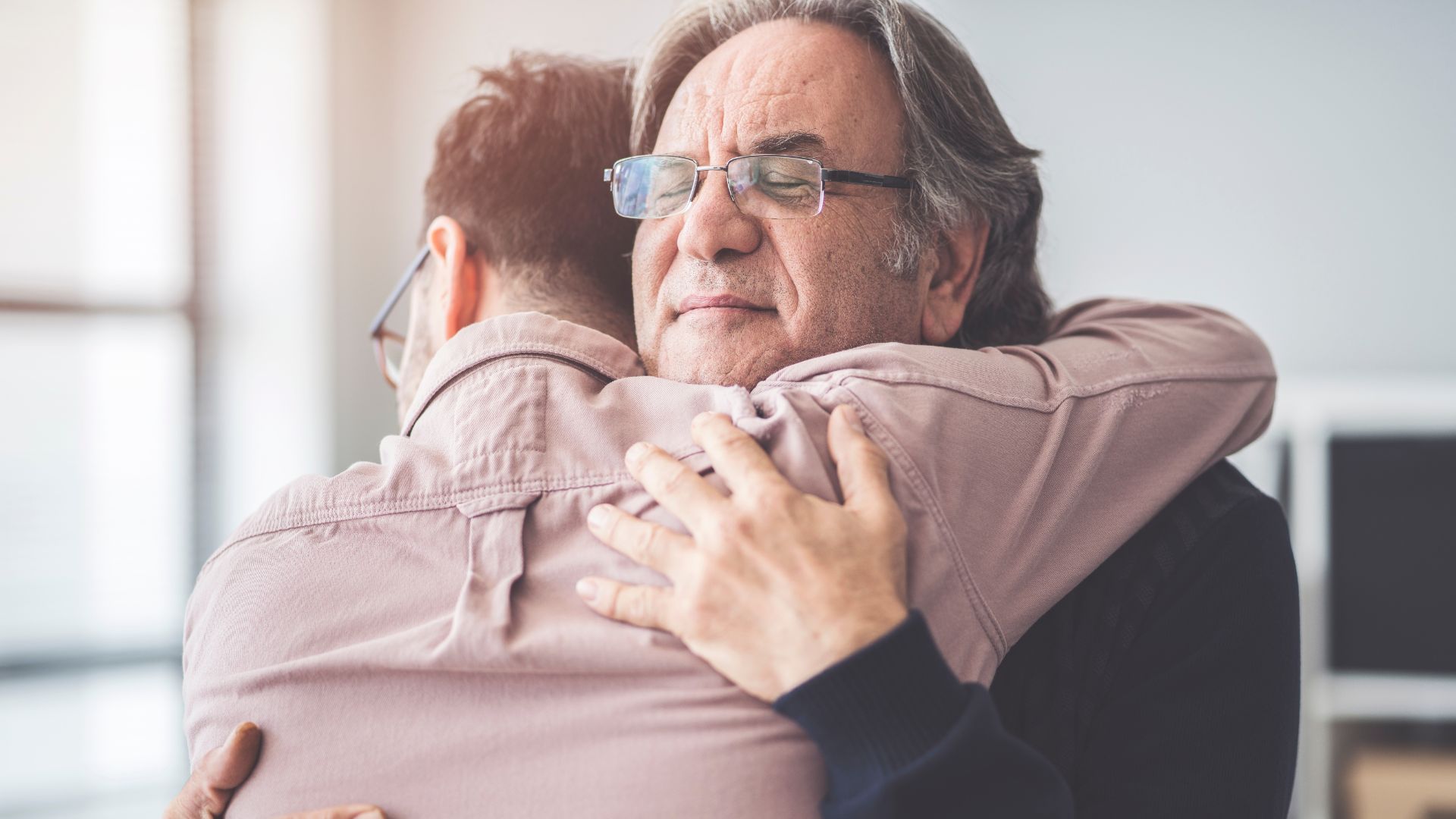
What many people don’t realize is that emotional triggers are often connected to Post-Traumatic Stress Disorder (PTSD) and unresolved trauma. PTSD can develop from firsthand experiences like witnessing an overdose, abuse, or crisis situations, but it can also come from prolonged exposure to trauma or repeatedly hearing about painful experiences.
Loved ones of those struggling with addiction often experience PTSD. While addiction affects the individual, it also deeply impacts parents, spouses, and family members who live through ongoing stress, fear, and uncertainty. This can show up as anxiety, emotional flashbacks, or waves of depression. Watching someone you love put themselves at risk can create both direct and indirect trauma over time.
This trauma can be both physical and emotional. Some have witnessed overdoses, called the police, or faced the heartbreak of separation, jail, or loss. Others carry the quieter weight of emotional pain stemming from manipulation, broken trust, and the loss of healthy communication. Over time, these experiences leave a lasting impact.
One mom shared that after witnessing her son overdose, even the sound of a siren now causes panic. Others experience symptoms like trouble breathing, exhaustion, or strain in relationships after years of chronic stress. Many also carry the heavy burden of not knowing if their loved one is safe.
The good news is that healing from PTSD and trauma is possible. Support groups like Finding Hope, trauma-informed counseling, and resources like Codependent No More can all play a role in healing. Journaling, self-care, and learning to recognize your triggers are important steps forward.
You don’t need to live in fear of PTSD. Instead, recognize that it is real and that healing is possible when you’re willing to face it. Invite God into that process, and allow Him to walk with you each step of the way.
For more information, visit:
Faith-based support groups for families of addicts and alcoholics.