Support the vision at Hope Is Alive? Give a donation.


When someone you love goes to treatment, there is often one date everyone looks forward to: the day they come home.
It makes sense. Treatment can represent the first real hope a family has felt in a long time. Your loved one is safe. They are sober. They are beginning to think clearly again, and they are learning about addiction and addressing some of the things that brought them to this point. For the first time in months or even years, you may finally feel like you can breathe.
But as treatment comes to an end, families are faced with an important question: What happens next?
At Hope is Alive, we believe that question deserves just as much attention as the decision to enter treatment in the first place. Because getting sober and learning how to live sober are not the same thing.
Treatment can interrupt addiction and give someone a foundation for recovery. But eventually, that person has to take what they have learned and begin applying it to real life — to work, relationships, finances, responsibilities, disappointments, conflict, and ordinary days when there is no treatment schedule telling them what to do next.
For many people, going directly from treatment back into independent living — or back into the same environment they left — is simply too big of a jump.
When your loved one completes a treatment program, you want to believe the worst is finally behind your family. But even though treatment is an incredible beginning to recovery, lasting sobriety often requires much more work.
Think about everything a person is being asked to change. Recovery isn't simply learning not to drink or use drugs. It often means learning how to handle emotions without escaping them, work through conflict instead of running from it, become financially responsible, rebuild trust, create healthy relationships, and so much more.
Those things aren't learned in a few weeks. They are learned when someone gets their first paycheck and has to decide what to do with it. When they're frustrated with a boss and can't quit on the spot. When someone tells them no. When they have to apologize without making excuses. When they have a free Saturday with nowhere they have to be. When they're lonely, angry, embarrassed, bored, or disappointed and have to figure out what to do next.
One of the first decisions your family will have to make is where your loved one will live after treatment.
And while bringing them home may feel like the natural next step, it is worth thinking carefully about what returning home will actually look like.
Even when home is safe and supportive, it may not provide what someone needs in the earliest stages of recovery.
This is where recovery housing after treatment can make a significant difference.
A recovery home gives someone a place to live while they make the transition from treatment back into everyday life. Instead of going from 24/7 treatment to complete independence, they have time to establish routines, find employment, build a recovery community, practice accountability, and begin taking responsibility for their life again.
More importantly, they are doing those things around other people who understand recovery.
That community is one of the biggest differences between simply finding somewhere sober to live and choosing the right recovery home after rehab.
You should expect progress, but you should not expect everything to be fixed.
Your loved one may come out of treatment more clear-headed and motivated than they have been in a long time. They may be excited about recovery and eager to repair the damage addiction caused. Those are good things. But enthusiasm at discharge is not the same thing as having months or years of experience living sober.
There will still be stress. There will still be conflict. There may be financial problems to work through, employment to find, relationships to repair, and consequences from decisions made during active addiction.
Your loved one may also need to prioritize recovery more than you expect. Meetings, sponsorship, relationships with other people in recovery, and time spent building healthy routines may take up a significant portion of their schedule.
That doesn't mean they're choosing recovery over their family. In many cases, protecting their recovery is one of the most important things they can do for their family.
But this gap in lifestyle is another reason recovery housing can be so important. It creates some space between treatment and returning home, giving your loved one time to become more established in recovery while giving your family time to adjust too.
Recovery housing isn't required for someone to achieve lasting sobriety. But the right recovery home can make a huge difference in not only how long someone remains sober, but what they do with that sober life.
One of the biggest benefits is simply time.
There can be a lot of pressure after treatment to get back to normal as quickly as possible. But there is no reason to rush through one of the most important stages of recovery.
Recovery housing creates a season between treatment and complete independence where someone can move forward with their life without immediately removing the support around their recovery.
For some people, that season may be the first real opportunity they've had to figure out what they want their life to look like. Not just what they want to stop doing, but who they want to become, who they want around them, and what they want to work toward.
The goal after treatment isn't to recreate someone's life before addiction took over. In many cases, that life needs to look different.
Different people. Different habits. Different priorities. Different ways of handling hard things.
That doesn’t necessarily mean that everything will change. In fact, much of life may look the same for some people. But recovery housing gives them time to figure out what can stay, what needs to change, and what may need to be left behind altogether.
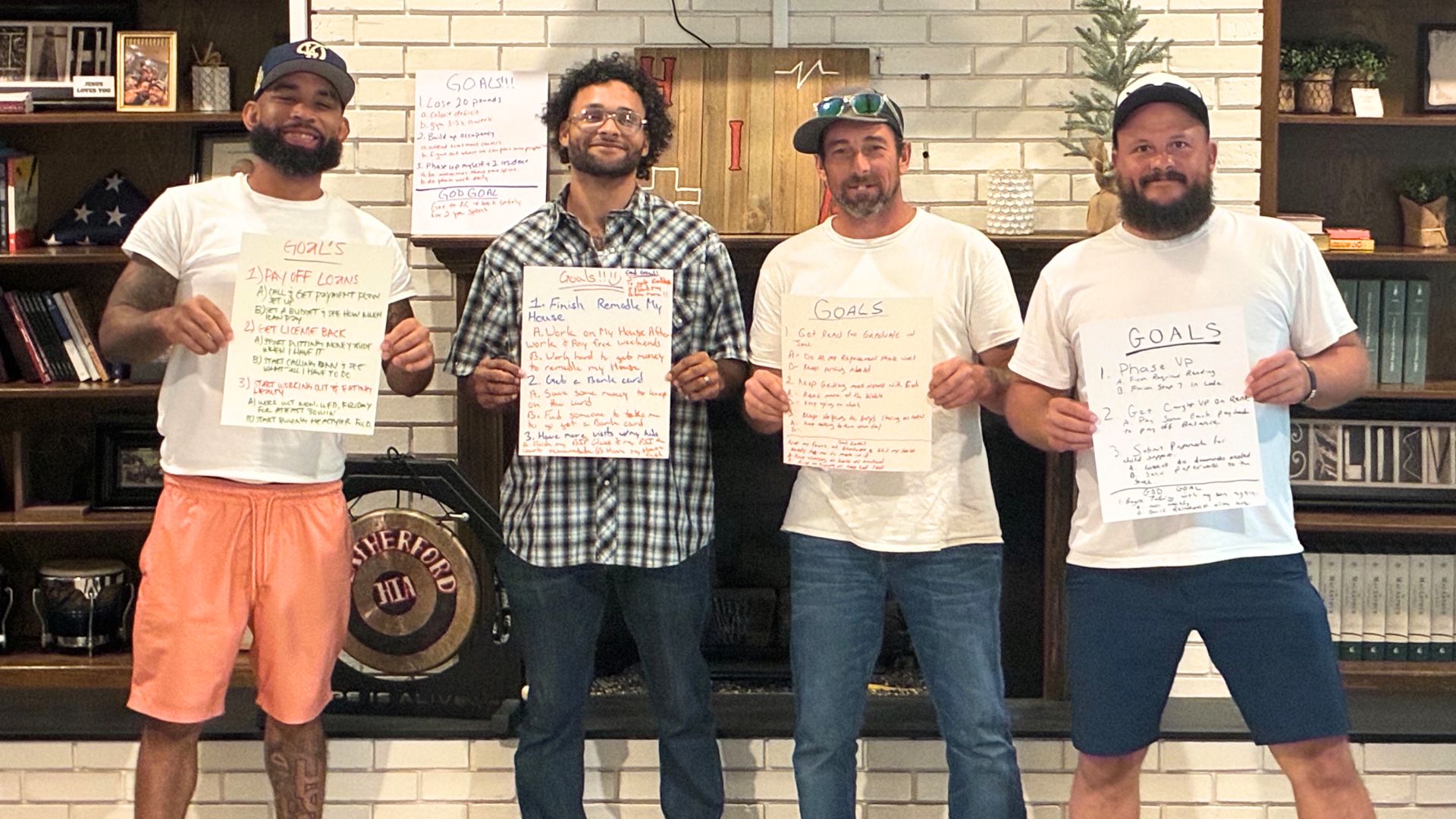
At Hope is Alive, our recovery homes are designed to be the next step of life after rehab. We provide men and women with a safe, structured place to continue their recovery while getting back into everyday life. More importantly, they become part of a community of people who understand what it takes to build a life in recovery because they are doing it too.
If your loved one is nearing the end of treatment, now is the time to start thinking about what comes next. Don't wait until discharge to make a plan or assume coming home is the only option.
Learn more about Hope is Alive recovery homes and talk with our team about whether recovery housing is the right next step for your loved one.